
Buyer Guides
How to Order a Phinisi Yacht in Indonesia: A 2027 Step-by-Step Commissioning Guide
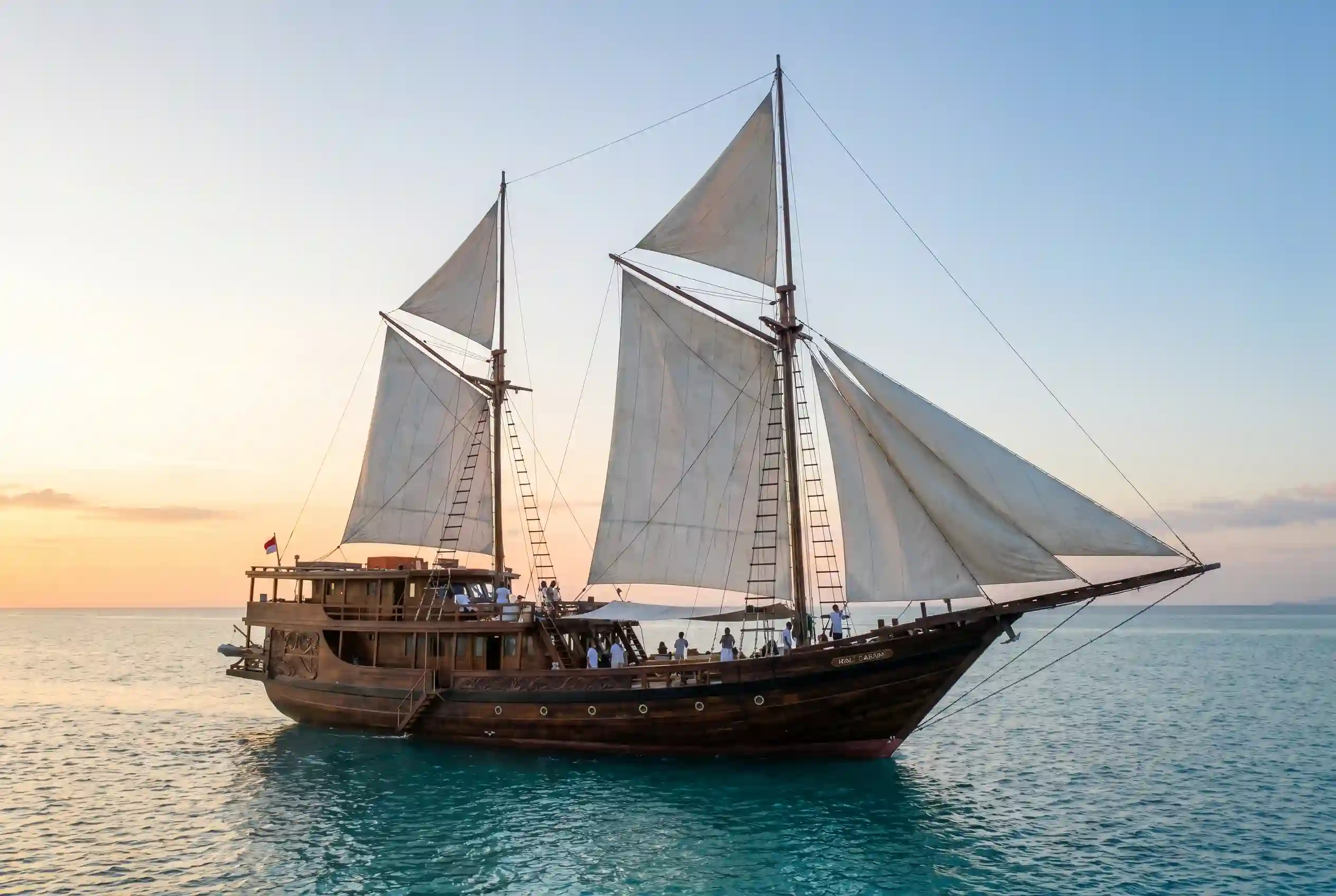
Commissioning a phinisi yacht in Indonesia involves a structured process, from initial design to final delivery. This guide details the steps for ordering a phinisi in 2027, focusing on established practices within Indonesia’s marine vessel and nautical tourism segments. Build prices typically range from US$0.4 million to US$10 million per vessel.
Understanding the Phinisi Market in 2027
The Indonesian marine vessel market is projected to grow at a Compound Annual Growth Rate (CAGR) of 5.8% from 2026–2032. By 2027, this market is forecast to achieve a growth rate of 9.63%. The broader Indonesian construction industry, which includes shipyards, is expected to expand at an average annual rate of 5.8% from 2026 to 2029, supported by significant infrastructure and energy projects.
Within this expanding market, phinisis occupy a high-value, low-volume luxury and tourism niche. More of these ultra-luxurious Sulawesi sailing vessels are being constructed than ever before, with individual shipyards reporting multiple phinisis in build concurrently for the Southeast Asia charter market. The phinisi market has evolved dramatically, shifting from functional coastal use to global luxury demand, particularly for tourism and liveaboard operations in Komodo and Raja Ampat, and for overseas buyers in regions such as the Maldives and Mediterranean.
Given the vessel market’s growth of approximately 6–10% per year, rising luxury charter demand in Indonesia’s closed registry market, and multiple yards now building several units in parallel, a high-single-digit annual growth rate for phinisi order books in 2026–2027 is consistent with available evidence. Precise unit volumes are not published for this niche segment.
Defining Your Phinisi Yacht Requirements
The initial phase involves a detailed definition of your yacht’s purpose and specifications. This determines the design, size, materials, and ultimately, the budget.
Purpose and Usage
- Private Use: For personal leisure, family voyages, or exploration.
- Commercial Charter: For tourism, liveaboard diving, or luxury cruises in areas like Komodo and Raja Ampat.
- Specialised Operations: For research, cargo, or unique expedition requirements.
Key Specifications
- Length Overall (LOA): Typically ranging from 25 to 50 metres, influencing capacity and operational scope.
- Guest Capacity: Number of cabins and berths for passengers.
- Crew Capacity: Accommodation and facilities for essential crew.
- Operating Range: Coastal, inter-island, or blue-water capabilities.
- Interior Design: Modern, traditional, or bespoke themes, often incorporating Indonesian craftsmanship.
- Amenities: Dive compressors, tenders, water sports equipment, entertainment systems.
Selecting a Shipyard and Design Partner
Phinisi construction is primarily centered on South Sulawesi shipyards, with fit-out and operations hubs in Bali, Komodo, and Raja Ampat. Selecting the right builder and naval architect is crucial.
Shipyard Selection Criteria
- Experience: Proven track record in phinisi construction, particularly for luxury or commercial vessels.
- Craftsmanship: Adherence to traditional Bugis-Makassar boat-building techniques combined with modern marine engineering.
- Facilities: Capacity to handle the scale of your project, including dry docks and workshops.
- Reputation: Industry standing and client testimonials.
- Location: Proximity to design teams and suppliers, predominantly in South Sulawesi.
Naval Architect and Design Team
Collaborate with a naval architect experienced in phinisi design. They translate your vision into technical drawings, ensuring structural integrity, hydrodynamic efficiency, and regulatory compliance.
- Conceptual Design: Initial sketches and layouts based on your requirements.
- Preliminary Design: Detailed drawings, specifications, and a general arrangement plan.
- Detailed Design: Full engineering plans for hull construction, systems, and interior fit-out.
Commissioning and Contractual Agreements
Formalising the build process requires clear contractual agreements covering design, construction, payments, and delivery.
Contractual Elements
- Build Contract: Comprehensive agreement outlining scope, timeline, payment schedule, and warranty.
- Payment Schedule: Typically milestone-based, with initial deposits and progress payments linked to construction stages.
- Specifications Document: A detailed list of all materials, equipment, and finishes.
- Delivery Terms: Including sea trials, final inspection, and handover procedures.
Legal and Regulatory Considerations
Indonesia operates a closed registry for commercial vessels, meaning foreign-flagged vessels cannot commercially operate in Indonesian waters. Understanding these regulations is essential for charter operations.
The Construction Process
The construction of a phinisi is a multi-stage process, traditionally involving skilled Bugis and Makassarese shipwrights.
Key Construction Stages
- Keel Laying: The ceremonial start of construction, signifying the foundational element.
- Framing: Construction of the hull’s skeleton using tropical hardwoods like Ulin (ironwood) and Teak.
- Planking: Attaching hull planks, traditionally without pre-drilling, ensuring a tight fit.
- Decking: Installation of main decks, often using Teak.
- Superstructure: Building the cabins, bridge, and other above-deck structures.
- Engine and Systems Installation: Fitting marine engines, generators, navigation equipment, plumbing, and electrical systems.
- Interior Fit-out: Custom joinery, cabinetry, furniture, and decorative elements, often incorporating local handicrafts.
- Spars and Rigging: Installation of masts, booms, sails, and all associated rigging.
- Painting and Finishing: Application of protective coatings and final aesthetic touches.
2027 Note on Sustainable Materials
In 2027, there is an increased emphasis on sourcing sustainably harvested timbers and implementing waste reduction strategies during phinisi construction. Builders are increasingly adopting certifications and practices that minimise environmental impact, responding to global demand for eco-conscious luxury marine vessels.
Quality Control and Project Management
Throughout the build, robust quality control and effective project management are essential to ensure the yacht meets specifications and standards.
Supervision and Inspections
- Owner’s Representative: Appointing an independent representative to oversee construction on your behalf.
- Regular Inspections: Scheduled visits to the shipyard for progress checks and quality assurance.
- Third-Party Surveys: Engaging marine surveyors for independent assessments at critical stages.
Timeline Management
A typical phinisi build can take approximately 18 to 36 months, depending on size, complexity, and shipyard capacity. Delays can occur due to material sourcing, weather, or unforeseen technical challenges.
| Stage | Duration (Months) | Key Activities |
|---|---|---|
| Design & Planning | 3-6 | Conceptualisation, detailed engineering, material sourcing. |
| Hull Construction | 6-12 | Keel, frames, planking, decking. |
| Systems & Superstructure | 4-8 | Engine, generators, cabins, bridge. |
| Interior Fit-out | 3-6 | Furniture, joinery, finishes. |
| Rigging & Finishing | 2-4 | Masts, sails, paint, sea trials. |
| Total: 18-36 months (approximate) | ||
Delivery and Post-Delivery Support
The final stage involves the yacht’s handover, sea trials, and ongoing support.
Sea Trials and Acceptance
Comprehensive sea trials are conducted to test all systems, machinery, and sailing performance. Acceptance follows successful completion of these trials and rectification of any identified issues.
Crewing and Operations
For commercial operations, securing experienced Indonesian crew is paramount. Many phinisi operations are managed from hubs in Bali, Komodo, and Raja Ampat, offering established support networks for provisioning, maintenance, and guest services.
Warranty and After-Sales Service
Reputable shipyards provide warranties for structural integrity and installed equipment. Ongoing maintenance and support services are available through various marine service providers in Indonesia.
Phinisi Builder Indonesia specialises in wholesale furniture and handicrafts for the marine industry, complementing the bespoke interiors of these vessels. For trade buyers, importers, and wholesalers seeking high-quality Indonesian craftsmanship for yacht interiors or related projects, request a wholesale quote on WhatsApp.
Continue reading: The Ultimate 2027 Checklist for Commissioning Your First Custom Phinisi in Indonesia · Trends in Phinisi Onboard Technology: What’s Essential for Modern Yachts · Products Catalog
Keep reading
More from the yard.
Buyer Guides
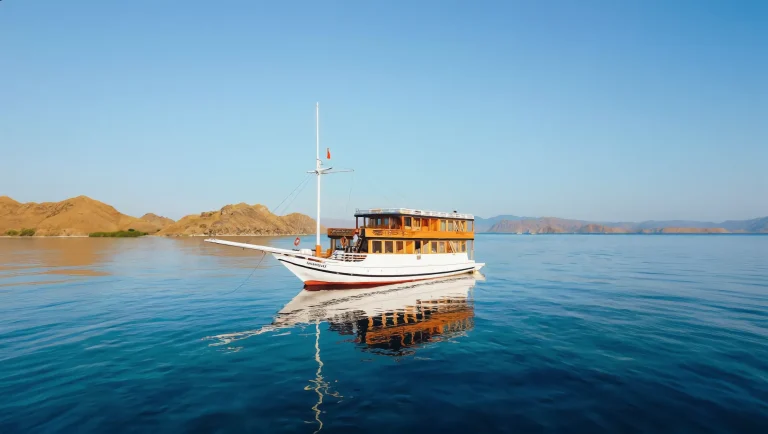
How to Build a Phinisi in Indonesia: The Ultimate 2027 Buyer’s Guide
Phinisi construction in Indonesia represents a distinct luxury and tourism segment within the marine vessel market, with build prices typically…
Buyer Guides
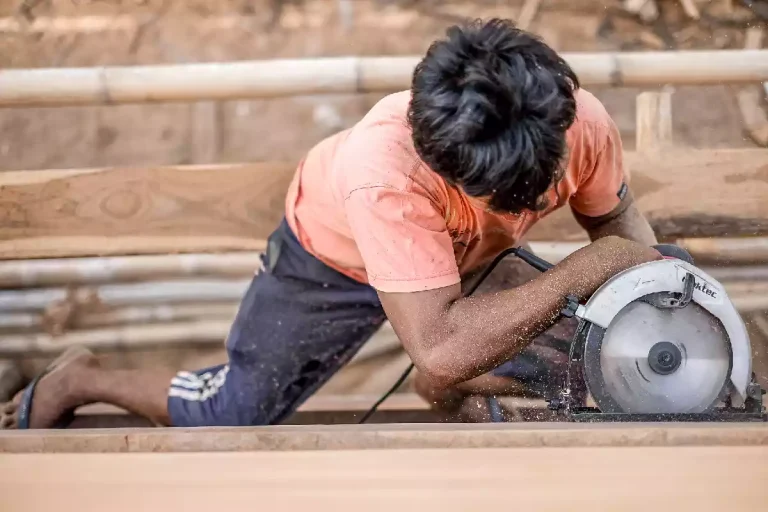
How to Choose the Right Phinisi Builder in Indonesia: A 2027 Step-by-Step Guide
Choosing the right phinisi builder in Indonesia demands careful consideration of a specialised market. This guide outlines a step-by-step process…
Buyer Guides
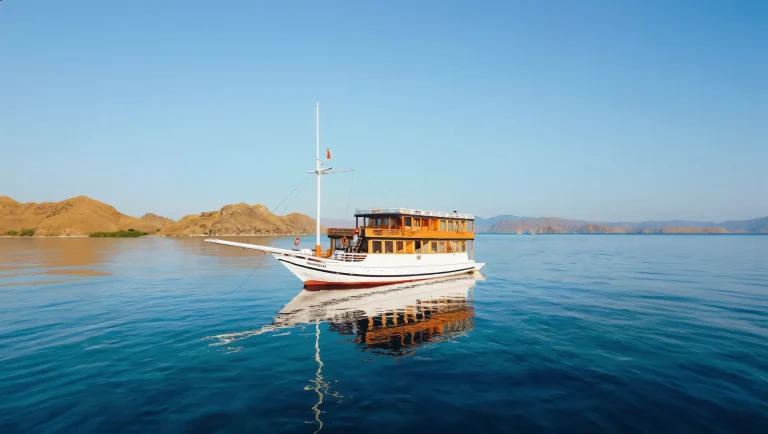
Market Trends: Why Charter Demand is Boosting Phinisi Builds in Indonesia
Phinisi shipbuilding in Indonesia is a specialised luxury segment experiencing growth due to increasing demand for charter services. Build prices…
Buyer Guides
Phinisi Boat Building Services in Indonesia: Choosing Your 2027 Project Partner
Indonesia’s phinisi-building sector is a specialised luxury and tourism segment experiencing rapid growth. Build prices typically range from US$0.4 to…

Buyer Guides
Phinisi Builder Indonesia Certification: How to Verify Excellence in 2027
Phinisi Builder Indonesia provides clarity on verifying excellence in phinisi construction for 2027. This guide addresses the lack of official…
Buyer Guides
Phinisi Buying Mistakes: What to Avoid When Commissioning in Indonesia
Commissioning a phinisi yacht in Indonesia requires careful consideration to avoid common pitfalls. Build prices typically range from US$0.4–10 million,…

Buyer Guides
Phinisi Custom Yacht Build Indonesia: Essential Considerations for 2027 Buyers
Phinisi custom yacht builds in Indonesia represent a growing luxury tourism segment, with typical build prices ranging from US$0.4–10 million.…
Buyer Guides
Phinisi Liveaboard Builder Indonesia: Trends and Tips for 2027 Custom Projects
Indonesia's phinisi-building sector is a growing luxury and tourism niche within the marine vessel market, with build prices typically ranging…