
Construction & Engineering
Trends in Phinisi Onboard Technology: What’s Essential for Modern Yachts
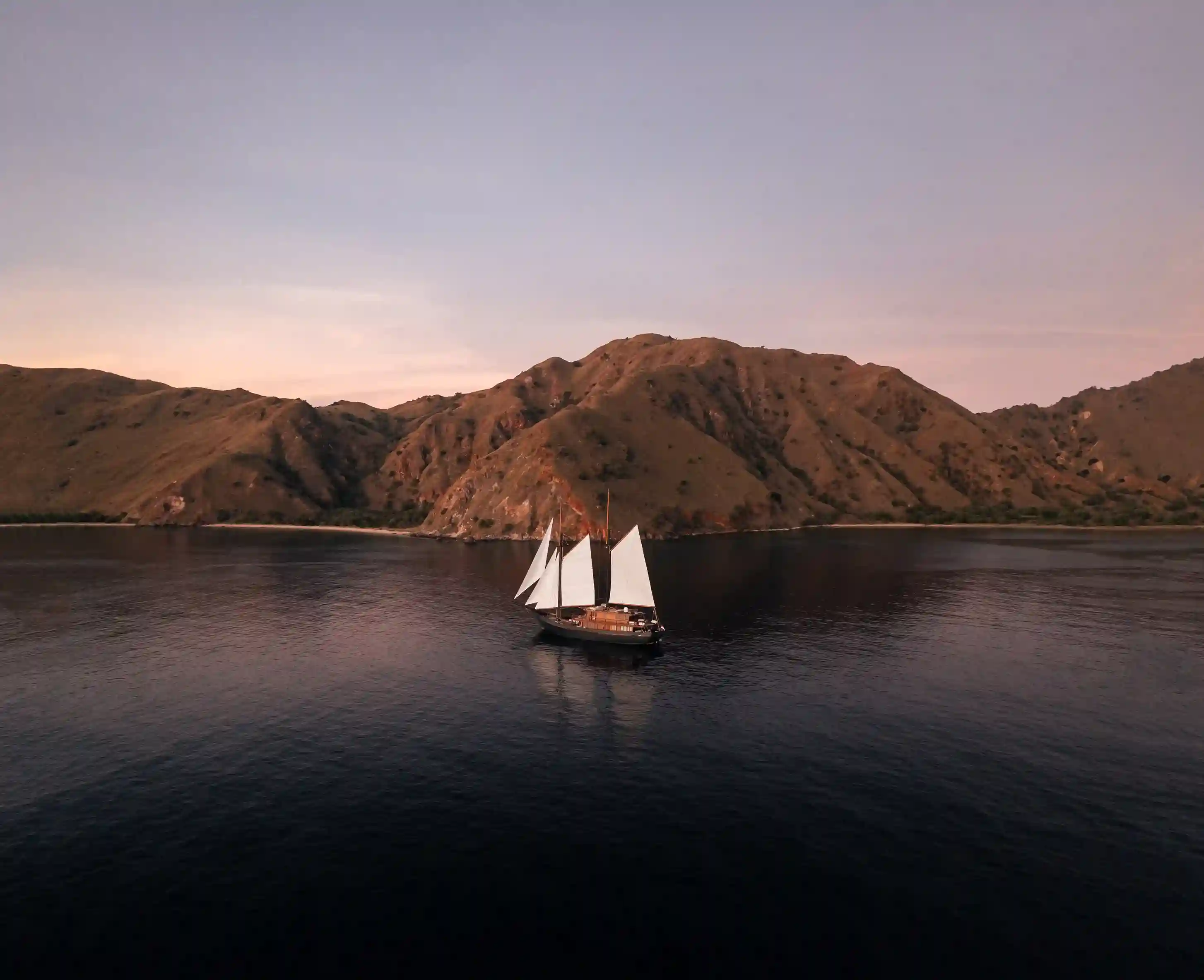
The phinisi, a traditional Indonesian sailing vessel, has evolved into a modern luxury yacht, particularly within Indonesia’s fast-growing marine tourism segment. Builders in South Sulawesi, with fit-out hubs in Bali, Komodo, and Raja Ampat, are increasingly integrating advanced technology to meet global luxury demand.
Indonesia’s phinisi-building niche, while small, is a rapidly expanding luxury and tourism segment within the broader marine vessel market. Build prices for these vessels typically range from US$0.4 million to US$10 million per boat, with construction primarily centred in South Sulawesi shipyards. Fit-out and operational hubs are established in Bali, Komodo, and Raja Ampat, catering to a discerning clientele.
Market Growth and Phinisi Demand
The overall Indonesia Marine Vessel Market is projected to grow at a Compound Annual Growth Rate (CAGR) of 5.8% from 2026 to 2032. By 2027, Indonesia’s marine vessel market is forecast to achieve a growth rate of 9.63%. This expansion is supported by a robust construction industry, including shipyards, which is expected to grow at an average annual rate of 5.8% from 2026 to 2029, driven by large-scale infrastructure and energy projects.
Within this broader market, phinisis occupy a high-value, low-volume luxury and tourism niche. More ultra-luxurious Sulawesi sailing vessels are being built than ever before, with individual shipyards reporting multiple phinisis under construction concurrently for the Southeast Asia charter market. The phinisi market has evolved dramatically, moving from functional coastal use to global luxury demand, particularly for tourism and liveaboards in Komodo and Raja Ampat, and for overseas buyers in regions such as the Maldives and Mediterranean.
Given the projected vessel-market growth of approximately 6–10% per year, rising luxury charter demand in Indonesia’s closed registry market, and multiple yards now building several units in parallel, a high-single-digit annual growth rate for phinisi order books in 2026–2027 is consistent with available evidence, though precise unit volumes are not published.
Essential Onboard Technologies for Modern Phinisis
The integration of advanced technology is crucial for modern phinisis to meet safety standards, operational efficiency, and guest expectations. Here are the essential categories:
Navigation and Communication Systems
Reliable navigation and communication equipment are foundational for any vessel, particularly those operating in remote areas like Komodo or Raja Ampat. Modern phinisis must feature:
- Integrated Bridge Systems: Combining radar, electronic chart display and information systems (ECDIS), GPS, and autopilot into a single, cohesive interface.
- Satellite Communication: VSAT or Iridium systems for reliable internet access and voice communication, crucial for guest connectivity and operational needs.
- Advanced Sonar and Depth Sounders: For safe navigation in uncharted or shallow waters, protecting both the vessel and marine ecosystems.
Engine and Propulsion Management
While phinisis are sailing vessels, auxiliary engines are vital for manoeuvring, port calls, and maintaining schedules. Modern systems include:
- Electronic Engine Controls: For precise throttle and gear management, enhancing fuel efficiency and reducing emissions.
- Remote Monitoring Systems: Allowing crew to monitor engine parameters, fuel levels, and other critical data from the bridge or even shore-side, enabling proactive maintenance.
- Advanced Stabilisation Systems: Fin or gyroscopic stabilisers to improve guest comfort, particularly during extended cruises in open waters.
Power Generation and Management
Luxury phinisis demand significant electrical power for air conditioning, entertainment, and galley equipment. Efficient power solutions are essential:
- Multiple Generators: Redundant systems ensure continuous power supply, with quieter, more efficient models preferred.
- Battery Banks and Inverters: For silent operation during night hours or at anchor, reducing generator run time and fuel consumption.
- Shore Power Connectivity: Robust systems for connecting to shore power when in port, reducing reliance on onboard generators.
Safety and Security Systems
Guest and crew safety is paramount. Modern phinisis incorporate comprehensive safety and security technologies:
- Fire Detection and Suppression: Addressable fire alarm systems and automatic suppression systems in engine rooms and accommodation areas.
- CCTV and Access Control: For monitoring onboard activity and enhancing security, particularly for high-value charters.
- Man Overboard (MOB) Systems: Advanced systems that can quickly locate a person in the water, aiding rapid rescue.
- Emergency Position Indicating Radio Beacons (EPIRBs) and Search and Rescue Transponders (SARTs): Essential for distress signalling and location in emergencies.
Guest Comfort and Entertainment
The luxury segment demands high standards of comfort and entertainment. Technology plays a significant role:
- Integrated Entertainment Systems: Centralised media servers, smart TVs, and sound systems in cabins and common areas.
- Climate Control: Zoned air conditioning systems allowing individual temperature control in cabins.
- Water Makers: High-capacity reverse osmosis systems to ensure a continuous supply of fresh water for showers and galleys.
- Waste Management: Advanced sewage treatment plants and systems for responsible waste disposal, crucial for operating in sensitive marine environments.
2027 Note on Sustainability Technologies
By 2027, the demand for sustainable yachting solutions will be more pronounced. Phinisi builders will increasingly integrate solar panels, advanced battery storage, and hybrid propulsion systems to reduce carbon footprints and appeal to environmentally conscious luxury travellers. This shift is driven by both regulatory pressures and market demand for greener operations in pristine areas like Komodo and Raja Ampat.
Typical Phinisi Build and Charter Prices
Understanding the financial aspects is crucial for buyers and operators in this market. Below is an overview of typical price ranges:
Build Costs
Phinisi construction costs vary significantly based on size, materials, level of customisation, and onboard technology. These figures exclude operational costs, crew, and provisions.
| Vessel Size (Length Overall) | Typical Build Price Range (US$) | Key Features/Technology Level |
|---|---|---|
| 25-30 metres | $0.4 million – $1.5 million | Standard navigation, basic amenities, traditional build. |
| 30-40 metres | $1.5 million – $4 million | Advanced navigation, comfortable cabins, modern galley, some luxury tech. |
| 40-50+ metres | $4 million – $10 million | Integrated bridge, satellite comms, gyroscopic stabilisers, luxury interiors, extensive tech. |
These figures represent the cost for a new build and do not include ongoing maintenance, crew salaries, fuel, or port fees.
Charter Rates
Charter rates for phinisis are highly variable, influenced by factors such as vessel size, age, level of luxury, crew experience, itinerary, and season. Rates are typically quoted per day or per week.
- Daily Charter Rates: Ranging from approximately US$1,500 to US$15,000+ per day.
- Weekly Charter Rates: Ranging from approximately US$10,000 to US$100,000+ per week.
These rates generally include the vessel, crew, and basic provisions. Additional costs such as specific F&B requests, diving excursions, national park fees, and specific activity equipment are typically extra.
The integration of advanced onboard technology is not merely a luxury; it is a necessity for modern phinisis to operate safely, efficiently, and to meet the expectations of the discerning luxury charter market. As phinisi building continues its growth trajectory, particularly in Indonesia, maintaining a focus on robust and reliable technological systems will be paramount for builders and operators alike.
For inquiries regarding wholesale furniture and handicraft for your phinisi fit-out projects, request a wholesale quote on WhatsApp.
Continue reading: Phinisi Boat Building Services in Indonesia: Choosing Your 2027 Project Partner · Phinisi Builder Indonesia Certification: How to Verify Excellence in 2027 · Minimum Order Quantity
Keep reading
More from the yard.
Construction & Engineering
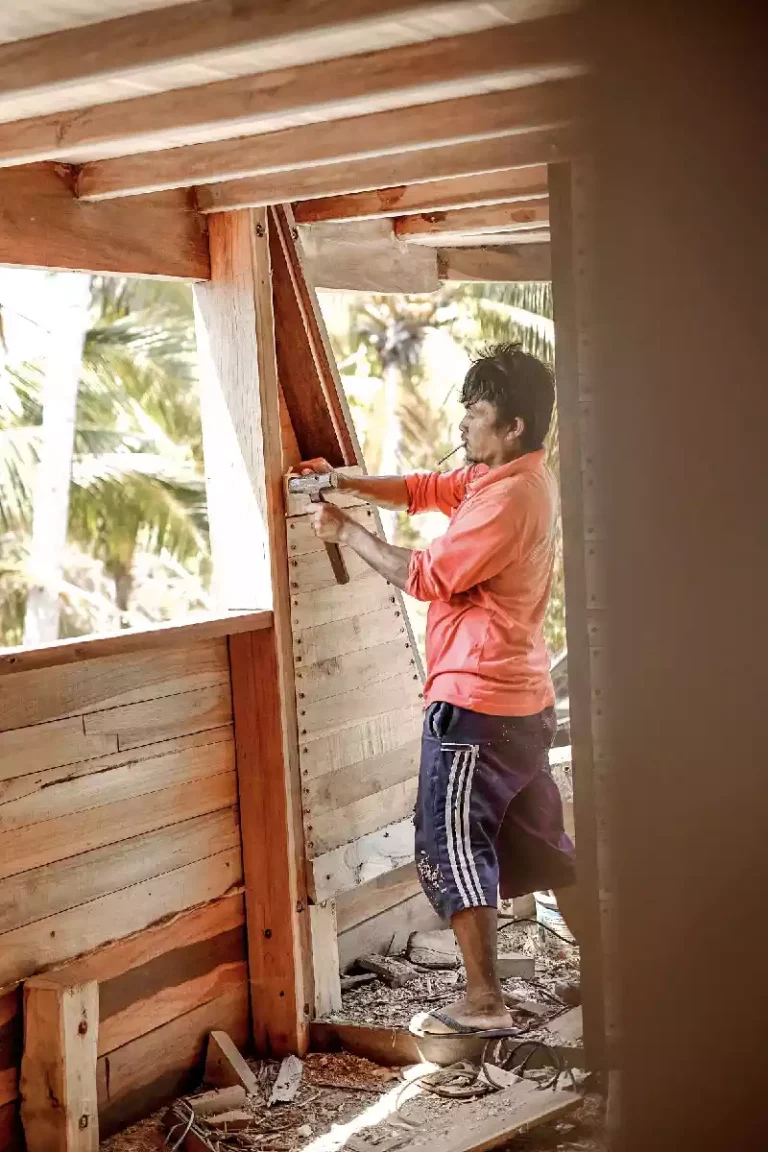
Interior Fit-Out Sequencing on a Phinisi Build
Phinisi fit-out follows one law: nothing closes until what lives behind it is installed, tested and photographed. The working sequence…
Construction & Engineering
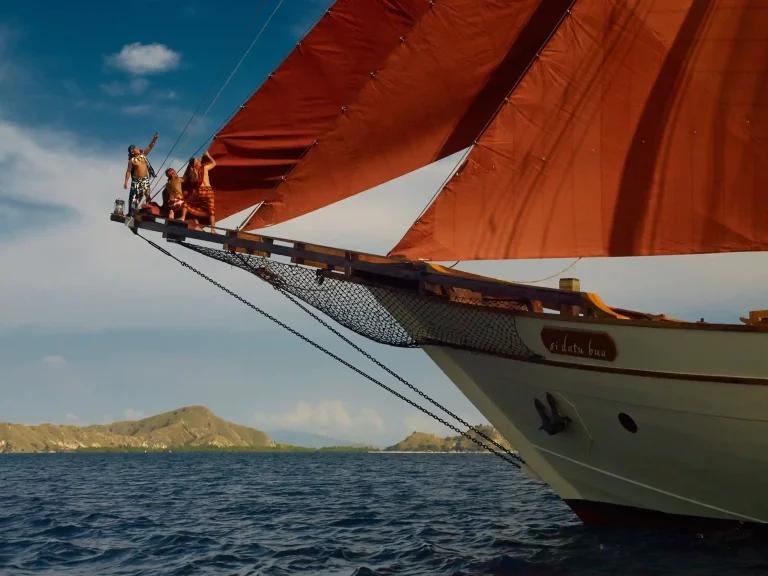
Phinisi Deck Hardware: Sourcing Winches and Fittings That Last
Phinisi deck hardware splits into load-bearing items — winches, windlass, cleats, chainplates, blocks — which must be load-rated and documented,…
Construction & Engineering
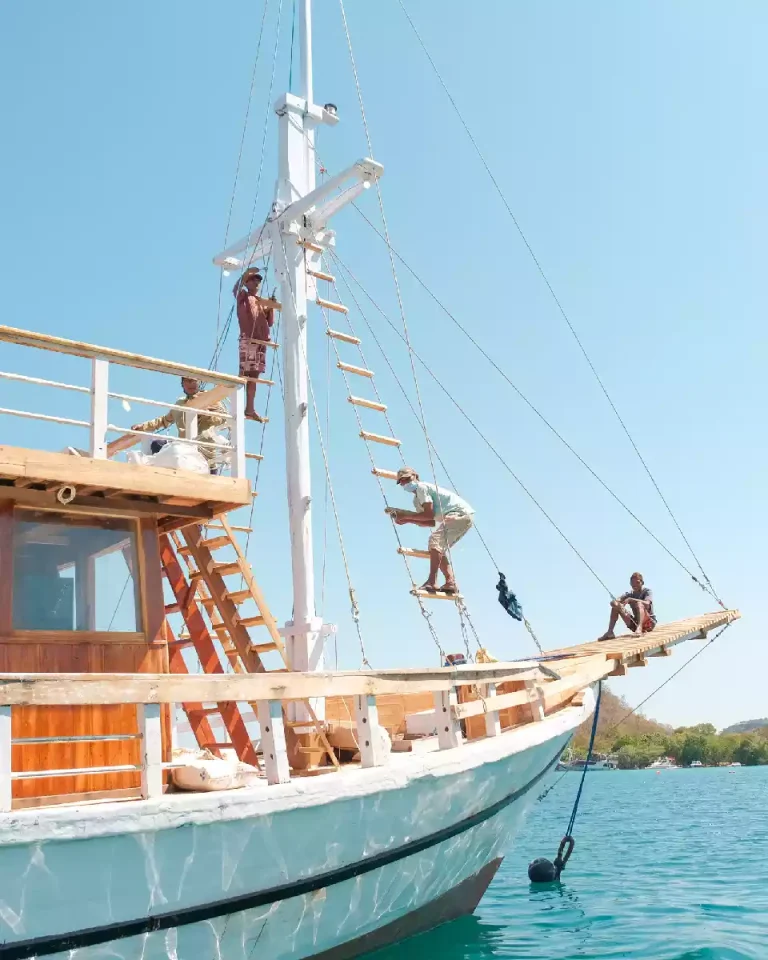
Tank Capacities on New Phinisi: Planning Water, Fuel and Waste
Size phinisi tanks from the itinerary, not the hull: budget roughly 200 litres of fresh water per person per day…

Construction & Engineering
Engine Selection for a New Phinisi: Power Bands That Fit the Hull
A displacement phinisi needs far less power than owners assume: roughly 150–250 hp serves a 25–30 m hull, 300–500 hp a 35–45 m vessel,…
Construction & Engineering
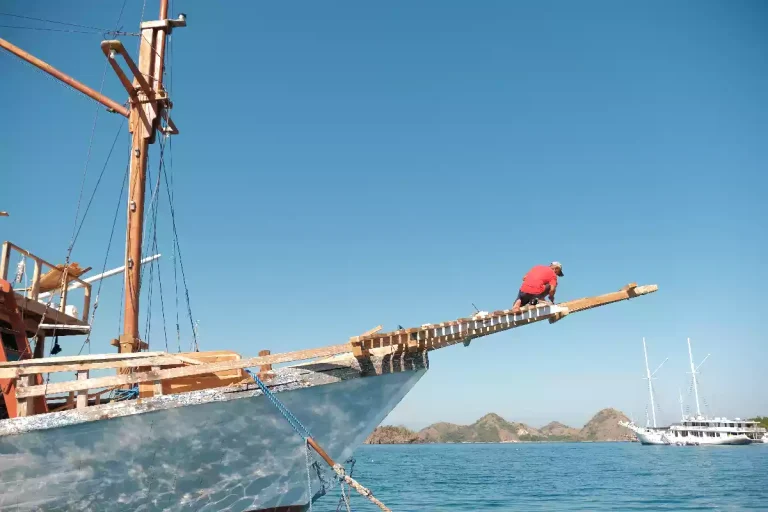
Masts and Rigging for New Phinisi: Makers, Materials, Loads
A new phinisi carries a gaff-ketch rig of two masts and typically seven sails. Spars are built either from laminated…
Construction & Engineering
Fiberglass-Sheathed Phinisi Hulls: Hybrid Construction Explained
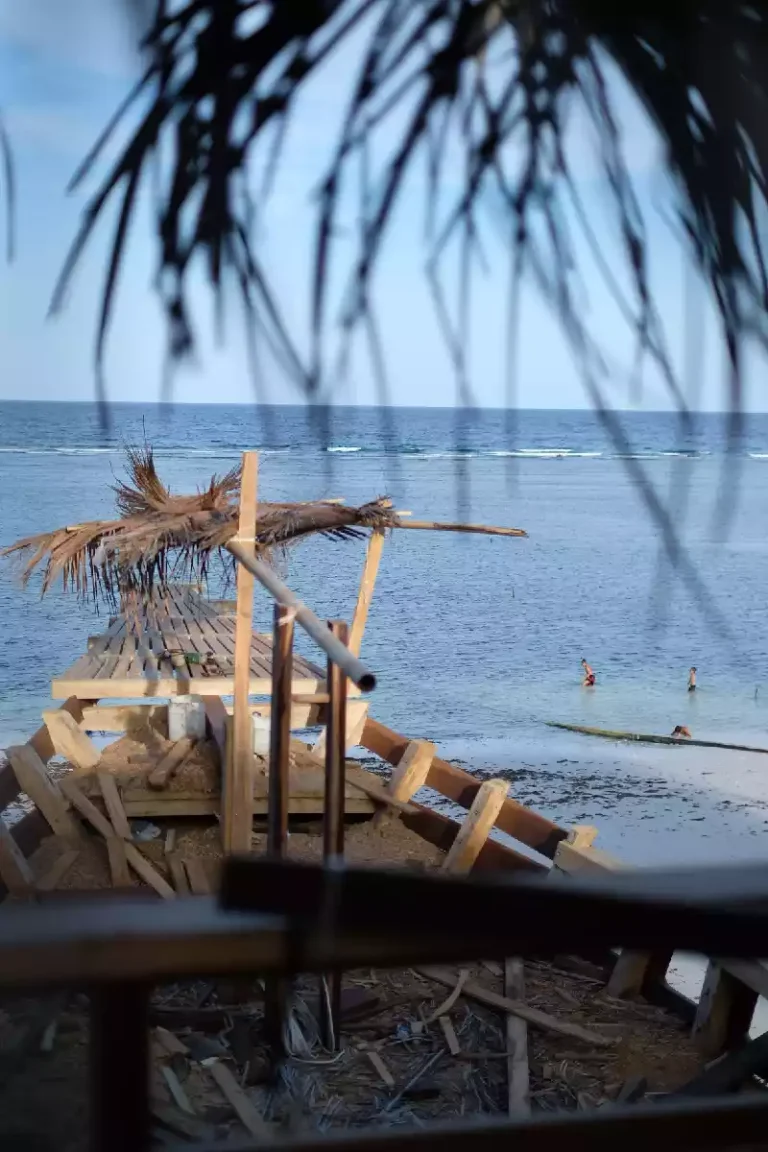
A fiberglass-sheathed phinisi is a traditionally planked wooden hull wrapped below and around the waterline in epoxy-set glass cloth. Done…
Construction & Engineering
The Aluminium Phinisi Question: Feasibility Beyond Tradition
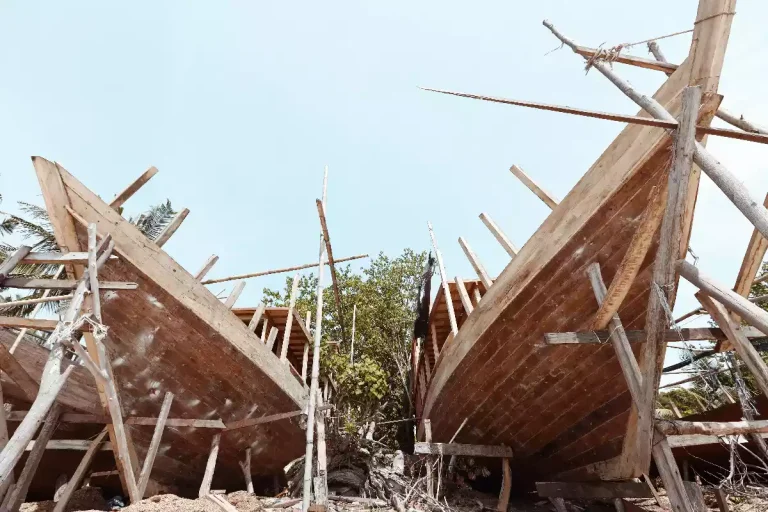
An aluminium phinisi is feasible as a naval-architecture exercise — a metal hull carrying phinisi lines and rig — but…
Construction & Engineering
How to Specify Your Custom Phinisi in 2027: Engine, Cabin, and Tech Options
Specifying a custom phinisi in 2027 requires understanding a dynamic market. Build prices typically range from US$0.4–10 million, centered on…