
Construction & Engineering
How to Specify Your Custom Phinisi in 2027: Engine, Cabin, and Tech Options
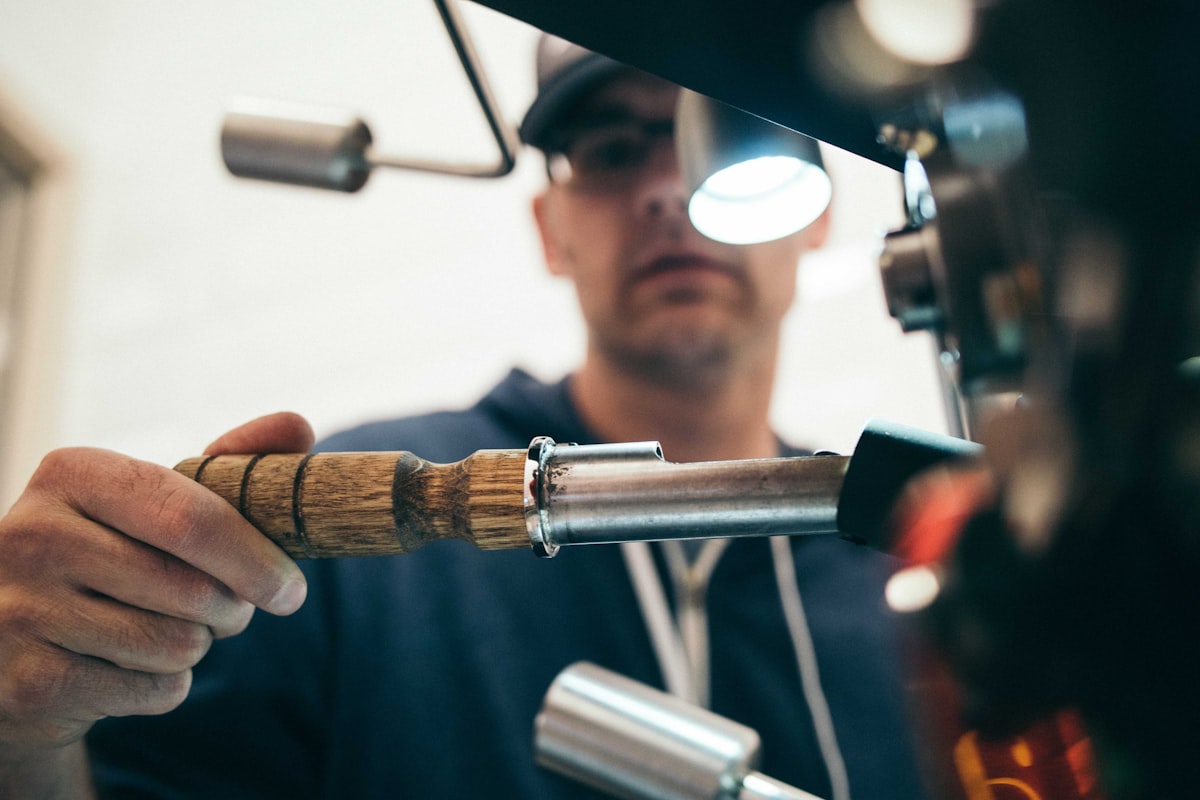
Specifying a custom phinisi in 2027 requires understanding a dynamic market. Build prices typically range from US$0.4–10 million, centered on South Sulawesi shipyards. Fit-out and operations hubs are primarily in Bali, Komodo, and Raja Ampat, reflecting the luxury tourism segment’s growth in Indonesia.
As Master Phinisi Shipwright at Phinisi Builder Indonesia, I provide guidance for importers, wholesalers, retailers, interior contractors, and trade buyers considering a custom phinisi. The market for these vessels is experiencing consistent growth, driven by demand in luxury tourism and private ownership.
How to Specify Your Custom Phinisi in 2027: Engine, Cabin, and Tech Options
The Indonesian marine vessel market is projected to grow at a Compound Annual Growth Rate (CAGR) of 5.8% from 2026–2032. By 2027, this market is forecast to achieve a growth rate of 9.63%. The broader Indonesian construction industry, which includes shipyards, is also expected to expand by an average of 5.8% annually from 2026 to 2029. Within this context, phinisis occupy a high-value niche.
More ultra-luxurious Sulawesi sailing vessels are being built than ever before. Individual shipyards are reporting multiple phinisis under concurrent construction for the Southeast Asia charter market. The phinisi market has evolved from functional coastal use to global luxury demand, particularly for tourism and liveaboards in Komodo and Raja Ampat, and for overseas buyers in regions such as the Maldives and the Mediterranean.
Given the vessel market growth of approximately 6–10% per year, rising luxury charter demand in Indonesia’s closed registry market, and multiple yards now building several units in parallel, a high-single-digit annual growth rate for phinisi order books in 2026–2027 is consistent with available evidence.
Understanding Phinisi Build Costs in 2027
The cost of a custom phinisi is influenced by size, materials, engine specifications, interior fit-out, and technology. As noted, build prices typically range from US$0.4–10 million per boat. This range reflects the spectrum from smaller, simpler vessels to large, highly customised luxury liveaboards.
Key Cost Drivers:
- Hull and Superstructure: Traditional timber construction (ironwood, teak) remains standard, with variations in timber grade affecting cost.
- Engine and Propulsion Systems: Significant cost variations exist based on power, brand, and emissions compliance.
- Interior Fit-out: Custom cabinetry, high-grade materials, and bespoke furniture from our workshops at Phinisi Builder Indonesia contribute substantially.
- Navigation and Communication Technology: Advanced systems for safety and guest experience.
- Specialised Equipment: Diving compressors, tenders, water sports gear.
Engine Options for Your 2027 Phinisi
Engine selection is critical for performance, reliability, and operational efficiency. Diesel engines remain the primary choice for phinisis.
Common Engine Manufacturers and Considerations:
- Caterpillar: Known for robust, reliable engines suitable for heavy-duty marine applications. Offers a global service network.
- Cummins: Provides a range of marine engines with good fuel efficiency and proven durability.
- Yanmar: Popular for its compact size and reliability, suitable for smaller to mid-sized phinisis.
- MAN: Offers high-performance engines often chosen for larger, more luxurious vessels requiring significant power.
2027 Note: New emissions regulations and a growing focus on fuel efficiency mean that engine choices are increasingly leaning towards models with lower operational costs and reduced environmental impact. Discussing specific emissions standards for your intended operational regions is essential during the specification phase.
Cabin Configurations and Interior Fit-out
The interior of a phinisi defines its luxury and functionality. Our focus at Phinisi Builder Indonesia is on delivering bespoke interiors using high-quality Indonesian hardwoods, crafted in our workshops for export quality.
Typical Cabin and Interior Specifications:
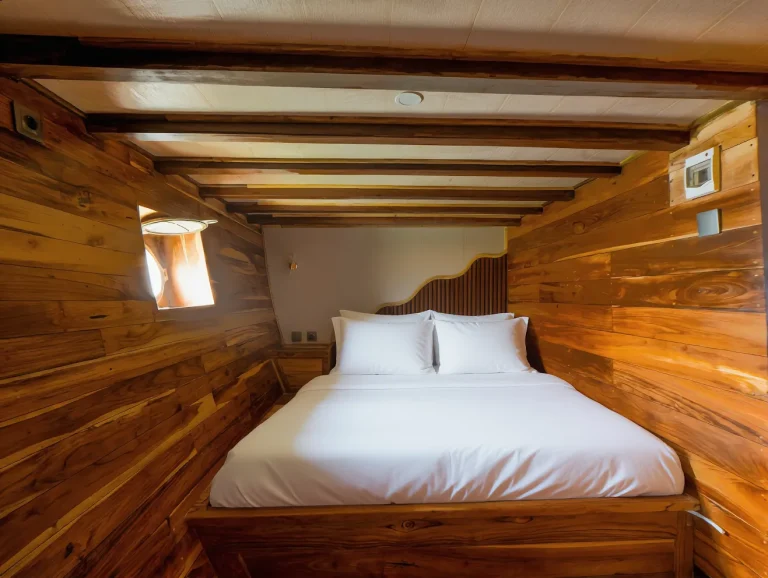
- Guest Cabins: Ranging from 2 to 10+ cabins, often with en-suite bathrooms. Configuration options include double, twin, or convertible layouts. Master suites frequently feature larger spaces, private balconies, or panoramic views.
- Crew Quarters: Separate, well-appointed crew areas are essential for operational efficiency and comfort.
- Saloon and Dining Areas: Open-plan or distinct spaces for relaxation and formal dining. High-quality furniture, custom joinery, and integrated entertainment systems are standard.
- Galley: Commercial-grade equipment for catering to guests, including refrigeration, cooking appliances, and storage.
- Deck Spaces: Ample outdoor lounging, dining, and sunbathing areas. Custom-built timber furniture, shaded zones, and integrated bars are common.
We specialise in custom furniture and handicraft production, ensuring that all interior elements from cabinetry to decorative items are designed and manufactured to precise specifications, ready for international export.
Technology and Navigation Systems
Modern phinisis integrate advanced technology for safety, navigation, communication, and guest comfort.
Key Technology Integrations:
| Category | Typical Specifications |
|---|---|
| Navigation | Radar, GPS plotters, AIS (Automatic Identification System), depth sounders, autopilot, electronic charts. Brands like Furuno, Raymarine, Simrad are common. |
| Communication | VHF radio, satellite phone (e.g., Inmarsat, Iridium), VSAT for internet connectivity, internal communication systems. |
| Entertainment | Integrated audio-visual systems, satellite TV, media servers, Wi-Fi networks throughout the vessel, individual cabin entertainment. |
| Safety & Security | Fire suppression systems, life rafts, EPIRB (Emergency Position Indicating Radio Beacon), SART (Search and Rescue Transponder), CCTV cameras. |
| Power Management | Generators (e.g., Perkins, Onan), inverters, battery banks, shore power connectivity, advanced monitoring systems. |
Operational Hubs and Fit-out Locations
While primary construction occurs in South Sulawesi shipyards, the fit-out and operational hubs for phinisis are predominantly located in Bali, Komodo, and Raja Ampat. Bali offers comprehensive logistical support, skilled craftsmen for interior finishing, and access to a wide range of suppliers for luxury amenities. Komodo and Raja Ampat serve as prime operational bases for charter vessels, requiring specific refit and maintenance facilities.
Specifying your custom phinisi involves detailed planning across every aspect, from naval architecture to the final interior furnishings. Our expertise in bespoke furniture and handicraft production ensures that your vessel’s interior will meet international standards for design and durability. We are prepared to assist trade buyers in navigating these choices to create a vessel tailored to their operational and aesthetic requirements.
Sourcing and Material Selection for Your 2027 Phinisi
The construction of a custom phinisi in 2027 relies on a combination of traditional craftsmanship and modern material sourcing. Our shipyards in South Sulawesi maintain direct relationships with local timber suppliers, ensuring access to specific wood species critical for structural integrity and aesthetic finish. Teak, ironwood, and ulin are primary choices, selected for durability and resistance to marine environments. These materials are procured from sustainably managed forests where possible, though formal certification standards for all timber types used in traditional shipbuilding are still developing within Indonesia.
Beyond traditional timbers, modern phinisi builds integrate a range of imported and locally sourced components. This includes marine-grade steel for specific structural elements or reinforcements, high-performance composites for non-load-bearing applications, and advanced insulation materials. Electrical cabling, plumbing systems, and navigational electronics are typically sourced from international marine equipment manufacturers, ensuring compliance with global standards and availability of parts. Our procurement strategy balances local economic benefit with the requirement for high-quality, certified marine components from established suppliers.
- Primary Timber: Teak, Ironwood, Ulin (sourced locally)
- Structural Reinforcements: Marine-grade steel
- Non-load-bearing Components: High-performance composites
- Insulation: Advanced marine-grade materials
- Electrical, Plumbing, Navigation: International marine equipment manufacturers
Project Management and Quality Assurance in Phinisi Construction
Effective project management is essential for delivering custom phinisis within agreed timelines and budgets, which typically range from US$0.4–10 million. Our process begins with detailed contract specifications, outlining every aspect from hull design and engine selection to interior fit-out and technology integration. Each project is assigned a dedicated project manager who acts as the primary point of contact for the client, overseeing all phases of construction in the South Sulawesi shipyards. Regular progress reports, including photographic and video documentation, are provided to clients at agreed intervals.
Quality assurance protocols are implemented throughout the build cycle. This includes independent third-party surveys for hull construction, engine installation, and electrical systems, ensuring adherence to classification society standards where applicable. Material testing, welding inspections, and comprehensive sea trials are conducted before final delivery. For fit-out and operational readiness, particularly for vessels destined for Bali, Komodo, or Raja Ampat, we coordinate with local contractors and marine service providers to ensure integration and post-delivery support. This structured approach minimises risks and maintains build integrity.
| Phase | Key Activities | Quality Check |
|---|---|---|
| Design & Planning | Detailed specifications, material selection, timeline | Client approval, technical review |
| Hull Construction | Timber framing, planking, sealing | Third-party survey, structural integrity checks |
| Engine & Systems | Installation of propulsion, electrical, plumbing | Manufacturer’s guidelines, functional testing |
| Interior Fit-out | Cabin construction, joinery, furnishings | Craftsmanship inspection, client walkthroughs |
| Commissioning | Sea trials, navigation system calibration | Performance metrics, safety checks |
For detailed specifications and wholesale pricing on custom phinisi interiors and furniture, request a wholesale quote on WhatsApp.
Continue reading: Where to Build a Phinisi Yacht in Indonesia: Top Locations and Builders for 2027 · Budgeting for a 60m Phinisi in 2027: A Realistic Cost Breakdown · Quality Certification Fsc
Keep reading
More from the yard.
Construction & Engineering
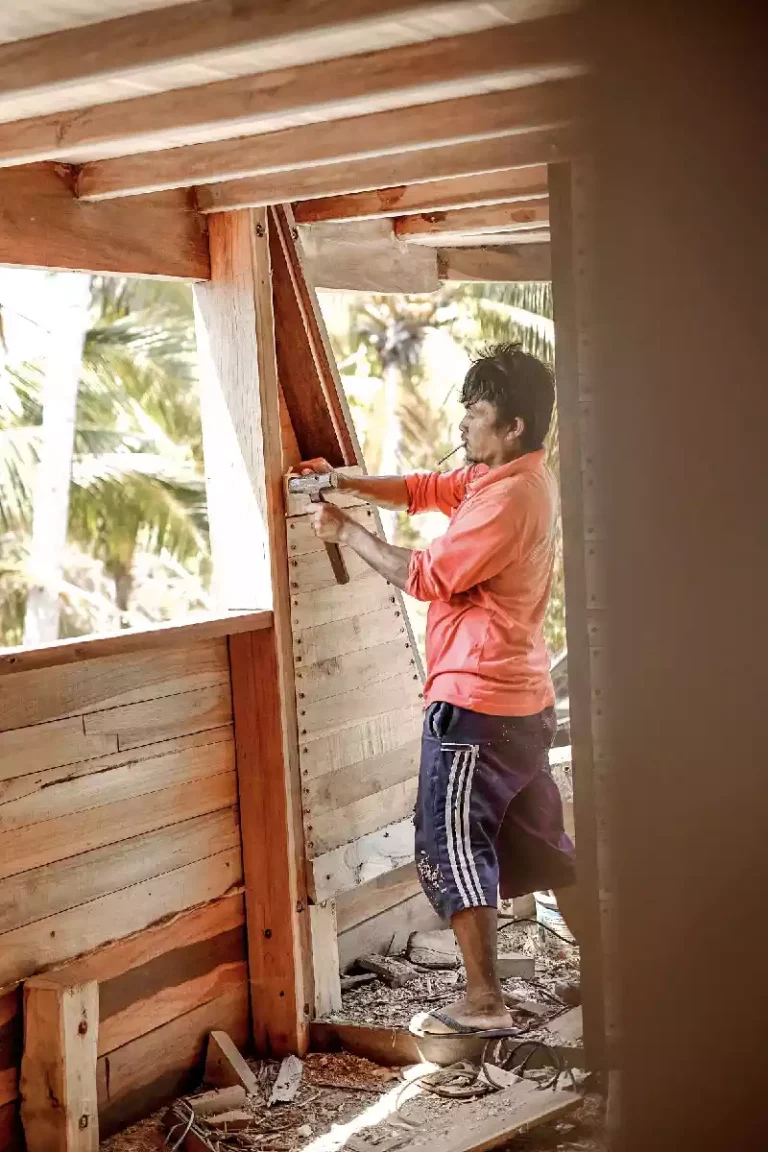
Interior Fit-Out Sequencing on a Phinisi Build
Phinisi fit-out follows one law: nothing closes until what lives behind it is installed, tested and photographed. The working sequence…
Construction & Engineering
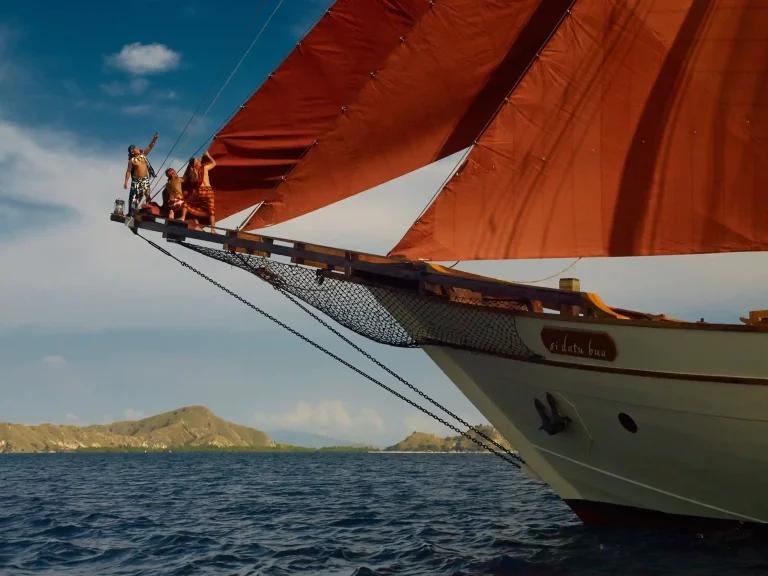
Phinisi Deck Hardware: Sourcing Winches and Fittings That Last
Phinisi deck hardware splits into load-bearing items — winches, windlass, cleats, chainplates, blocks — which must be load-rated and documented,…
Construction & Engineering
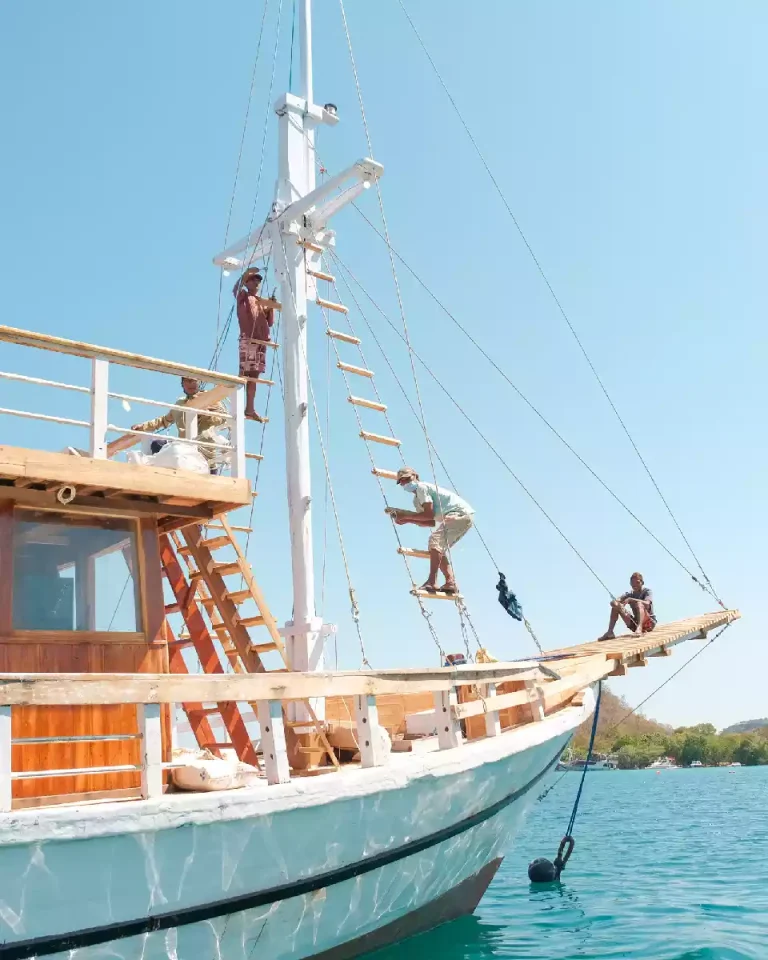
Tank Capacities on New Phinisi: Planning Water, Fuel and Waste
Size phinisi tanks from the itinerary, not the hull: budget roughly 200 litres of fresh water per person per day…
Construction & Engineering
Engine Selection for a New Phinisi: Power Bands That Fit the Hull
A displacement phinisi needs far less power than owners assume: roughly 150–250 hp serves a 25–30 m hull, 300–500 hp a 35–45 m vessel,…
Construction & Engineering
Masts and Rigging for New Phinisi: Makers, Materials, Loads
A new phinisi carries a gaff-ketch rig of two masts and typically seven sails. Spars are built either from laminated…
Construction & Engineering
Fiberglass-Sheathed Phinisi Hulls: Hybrid Construction Explained
A fiberglass-sheathed phinisi is a traditionally planked wooden hull wrapped below and around the waterline in epoxy-set glass cloth. Done…
Construction & Engineering
The Aluminium Phinisi Question: Feasibility Beyond Tradition
An aluminium phinisi is feasible as a naval-architecture exercise — a metal hull carrying phinisi lines and rig — but…
Construction & Engineering
Phinisi Interior Design Trends: What’s New for Indonesian Luxury Yachts
The phinisi-building niche in Indonesia is a rapidly expanding luxury and tourism segment within the broader marine vessel market. Build…