
Buyer Guides
Market Trends: Why Charter Demand is Boosting Phinisi Builds in Indonesia
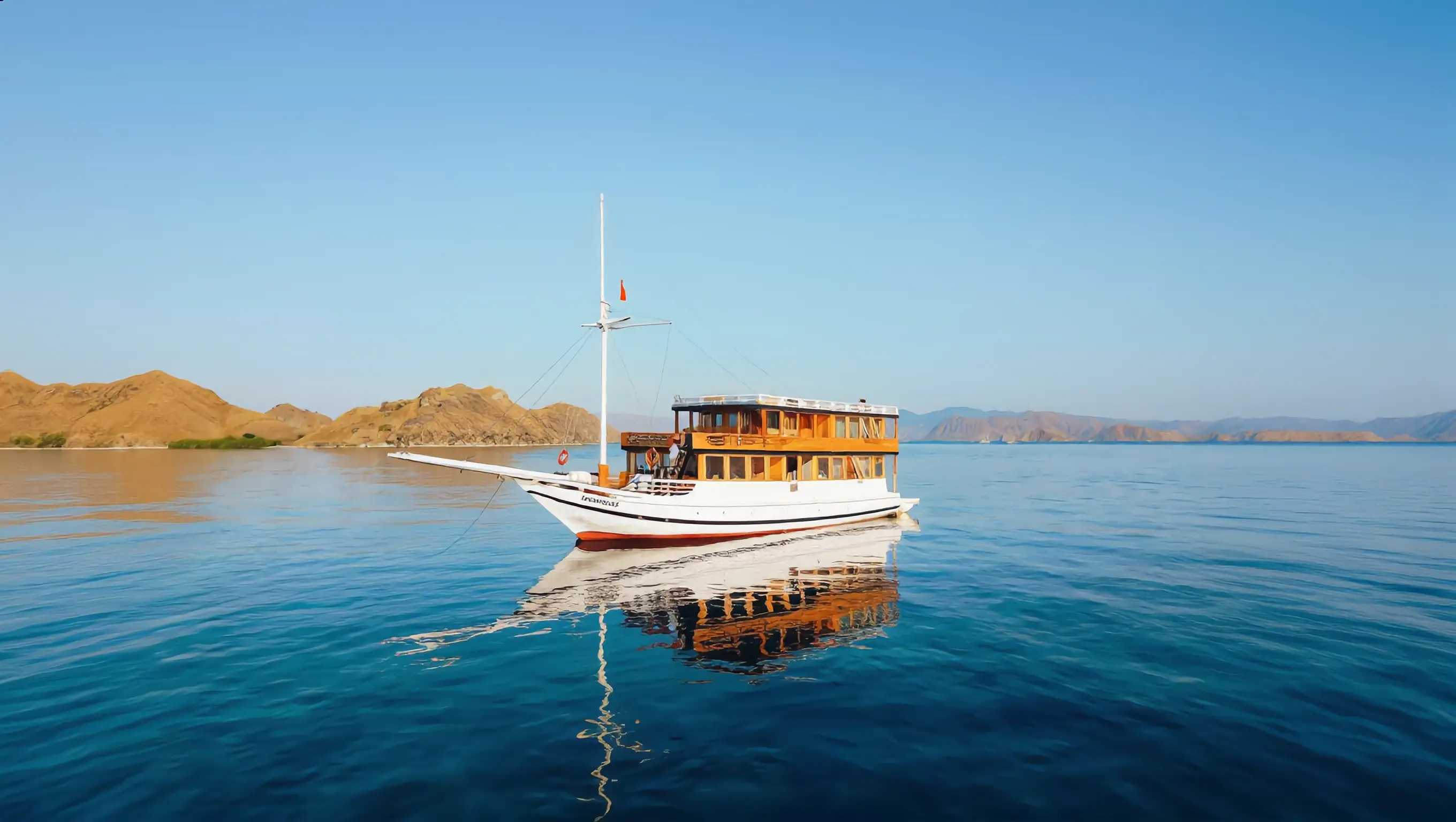
Phinisi shipbuilding in Indonesia is a specialised luxury segment experiencing growth due to increasing demand for charter services. Build prices for these vessels range from approximately US$0.4 million to US$10 million, with construction concentrated in South Sulawesi shipyards. Operations and fit-out hubs are primarily located in Bali, Komodo, and Raja Ampat.
Market Trends: Why Charter Demand is Boosting Phinisi Builds in Indonesia
Indonesia’s phinisi-building niche, while small, is a rapidly expanding luxury and tourism segment within the broader marine vessel market. This growth is directly linked to the increasing demand for high-end charter experiences, particularly within Indonesia’s premier nautical destinations.
Market Size and Growth (2026–2027)
The phinisi construction sector is not measured as a standalone market statistic but is situated within the wider Indonesia marine vessel and nautical tourism segments. These broader markets provide a framework for understanding phinisi demand:
- The Indonesia Marine Vessel Market is projected to grow at a Compound Annual Growth Rate (CAGR) of 5.8% from 2026–2032.
- By 2027, Indonesia’s marine vessel market is forecast to achieve a growth rate of 9.63%.
- Indonesia’s construction industry, which includes shipyard activities, is expected to expand at an average annual rate of 5.8% from 2026 to 2029. This expansion is supported by large-scale infrastructure and energy projects.
Within these figures, phinisis occupy a high-value, low-volume luxury and tourism niche. Yacht Style has observed that more ultra-luxurious Sulawesi sailing vessels are being constructed than previously, with individual shipyards reporting multiple phinisis concurrently under construction for the Southeast Asia charter market. Riara Marine notes that the phinisi market has evolved significantly, transitioning from functional coastal use to global luxury demand, especially for tourism and liveaboard operations in Komodo and Raja Ampat, and for overseas buyers in regions such as the Maldives and Mediterranean.
A 2027 note: Given the projected 9.63% growth rate for Indonesia’s marine vessel market in 2027, alongside rising luxury charter demand in Indonesia’s closed registry market and multiple yards building several units in parallel, a high-single-digit annual growth rate for phinisi order books is consistent with available evidence, though precise unit volumes are not published.
Typical Price Ranges: Build and Charter
Build Costs
The cost to build a phinisi varies significantly based on size, materials, interior fit-out specifications, and installed technologies. Prices typically range from US$0.4 million for smaller, more basic models to US$10 million for large, custom-designed luxury vessels. These prices cover the hull construction, engine installation, navigation systems, and the complete interior and exterior finishing, including cabins, galleys, and deck spaces.
Charter Rates
Charter rates for phinisis reflect the vessel’s size, luxury level, crew complement, and the duration and season of the charter. Rates are generally quoted per night or per week. For smaller, more modest phinisis, rates might commence at US$2,000 per night. For larger, ultra-luxury vessels with extensive amenities, gourmet catering, and a full complement of staff, rates can exceed US$20,000 per night. These rates commonly include fuel, crew salaries, meals, and certain activities such as snorkelling or island excursions. Additional costs for diving, premium beverages, or specific shore excursions are usually extra.
Key Phinisi Building and Operations Hubs
The geographical distribution of phinisi construction and operational centres underpins the industry’s structure:
South Sulawesi Shipyards
The primary construction of phinisis takes place in South Sulawesi, particularly in the regencies of Bulukumba and Bira. These areas are home to generations of skilled shipwrights who employ traditional techniques combined with modern engineering principles. The availability of local timber, such as ironwood and teak, and the deep-rooted shipbuilding heritage make South Sulawesi the epicentre of phinisi construction.
Fit-Out and Operations Hubs
Once the hulls are completed in South Sulawesi, many phinisis are moved to other locations for final outfitting, interior customisation, and subsequent operational bases. Bali serves as a significant hub for luxury interior fit-outs, leveraging its access to skilled craftsmen and a supply chain for high-end furnishings and marine equipment. Komodo and Raja Ampat are critical operational hubs due to their status as prime nautical tourism destinations, attracting a consistent flow of charter clients seeking to explore their marine biodiversity and pristine islands.
The Influence of Charter Demand
The surge in demand for luxury yacht charters, particularly in Indonesia’s eastern archipelago, is a primary driver for new phinisi builds. Tourists and high-net-worth individuals are increasingly seeking unique, private, and experiential travel options. Phinisis, with their distinctive traditional aesthetics combined with modern comforts, are well-suited to meet this demand. The vessels offer a blend of cultural authenticity and luxury, appealing to a discerning clientele.
This demand is further amplified by the growth of Indonesia’s tourism sector overall, which prioritises high-value tourism. Phinisis provide an ideal platform for exploring remote islands, diving in protected marine parks, and experiencing the country’s natural beauty in comfort and exclusivity. The closed registry market in Indonesia means that foreign-flagged vessels cannot easily operate domestic charters, creating a strong impetus for local construction and ownership of phinisis to serve this burgeoning market.
Investment and Economic Impact
The construction of phinisis represents significant investment, not only in the vessels themselves but also in the ancillary industries that support their build and operation. This includes timber suppliers, marine equipment manufacturers, interior designers, and service providers for maintenance and provisioning. The industry supports local economies in South Sulawesi through direct employment in shipyards and in Bali, Komodo, and Raja Ampat through tourism-related services.
The economic impact extends to the wider furniture and handicraft export sector. As phinisis are customised with bespoke interiors, there is a direct correlation with demand for high-quality Indonesian furniture, textiles, and decorative items. This creates opportunities for B2B suppliers to provide wholesale goods for vessel fit-outs, as well as for associated land-based luxury accommodations that cater to the same clientele.
| Aspect | Details |
|---|---|
| Primary Build Location | South Sulawesi (Bulukumba, Bira) |
| Fit-Out/Operations Hubs | Bali, Komodo, Raja Ampat |
| Typical Build Price Range | US$0.4 – 10 million |
| Charter Demand Driver | Luxury nautical tourism, experiential travel |
| Market Growth (2026-2027) | High-single-digit annual growth consistent with marine vessel market expansion |
Impact on Interior Fit-Out and Furnishings
The increasing demand for luxury phinisi charters directly influences the specifications for interior fit-out and furnishings. Charter operators and private owners require durable, high-quality, and aesthetically refined products that withstand marine environments while providing a premium guest experience. This creates opportunities for suppliers of bespoke marine-grade furniture, fixtures, and soft furnishings.
Shipyards and fit-out hubs in Bali, Komodo, and Raja Ampat are sourcing components that meet international luxury standards. Importers and wholesalers can target this sector with products that offer:
- Marine-grade durability and resistance to humidity, salt, and UV exposure.
- Customisable designs to suit specific vessel layouts and owner preferences.
- Lightweight materials to optimise vessel performance and fuel efficiency.
- Sustainable or ethically sourced materials, aligning with eco-tourism trends.
- Integrated technology solutions, such as charging points and entertainment systems.
The focus on guest comfort and luxury means attention to detail in every interior element, from cabin furniture to deck lounges. This segment values suppliers capable of delivering tailored solutions that combine functionality with sophisticated design, suitable for both private and commercial charter operations.
Supply Chain Dynamics and Sourcing Opportunities
The concentrated nature of phinisi building in South Sulawesi and the operational hubs in Bali, Komodo, and Raja Ampat creates distinct supply chain requirements. Shipyards in South Sulawesi primarily focus on hull construction and structural integrity, often relying on external suppliers for interior components, rigging, and advanced marine systems. The fit-out phase, particularly for luxury vessels, frequently occurs closer to the operational hubs.
This dynamic offers specific sourcing opportunities:
| Supply Chain Stage | Primary Location | Sourcing Focus for Importers/Wholesalers |
|---|---|---|
| Hull & Structural Build | South Sulawesi | Marine-grade timber, steel, engines, navigation systems. |
| Luxury Fit-Out & Finishing | Bali, Komodo, Raja Ampat | Bespoke furniture, interior textiles, galley equipment, bathroom fixtures, lighting, deck furnishings. |
| Ongoing Operations & Maintenance | Bali, Komodo, Raja Ampat | Replacement parts, consumables, interior upgrades, linen, tableware. |
Importers and wholesalers can position themselves by understanding these geographical and functional divisions. Establishing direct relationships with shipyards and fit-out contractors in these key regions is crucial. The demand for high-quality, reliable components is consistent, driven by the US$0.4–10 million build cost per vessel and the need to maintain luxury charter standards.
The increasing demand for luxury phinisi charters is a clear catalyst for new builds across Indonesia. This trend presents opportunities for various trade buyers, including importers and wholesalers of high-end furniture, marine equipment, and luxury interior finishes. Phinisi Builder Indonesia is well-positioned to meet the wholesale needs arising from this expanding market. For inquiries regarding wholesale supply for marine interiors or related luxury projects, please request a wholesale quote on WhatsApp.
Continue reading: Builder Comparison: Top Phinisi Craftsmen in Kalimantan vs. Sulawesi · Buyer Guide: Comparing Delivery Times for 45m vs. 60m Phinisis · Shipping Export Logistics
Keep reading
More from the yard.
Buyer Guides
How to Build a Phinisi in Indonesia: The Ultimate 2027 Buyer’s Guide
Phinisi construction in Indonesia represents a distinct luxury and tourism segment within the marine vessel market, with build prices typically…
Buyer Guides
How to Choose the Right Phinisi Builder in Indonesia: A 2027 Step-by-Step Guide
Choosing the right phinisi builder in Indonesia demands careful consideration of a specialised market. This guide outlines a step-by-step process…
Buyer Guides
How to Order a Phinisi Yacht in Indonesia: A 2027 Step-by-Step Commissioning Guide
Commissioning a phinisi yacht in Indonesia involves a structured process, from initial design to final delivery. This guide details the…
Buyer Guides
Phinisi Boat Building Services in Indonesia: Choosing Your 2027 Project Partner
Indonesia’s phinisi-building sector is a specialised luxury and tourism segment experiencing rapid growth. Build prices typically range from US$0.4 to…
Buyer Guides
Phinisi Builder Indonesia Certification: How to Verify Excellence in 2027
Phinisi Builder Indonesia provides clarity on verifying excellence in phinisi construction for 2027. This guide addresses the lack of official…
Buyer Guides
Phinisi Buying Mistakes: What to Avoid When Commissioning in Indonesia
Commissioning a phinisi yacht in Indonesia requires careful consideration to avoid common pitfalls. Build prices typically range from US$0.4–10 million,…
Buyer Guides
Phinisi Custom Yacht Build Indonesia: Essential Considerations for 2027 Buyers
Phinisi custom yacht builds in Indonesia represent a growing luxury tourism segment, with typical build prices ranging from US$0.4–10 million.…
Buyer Guides
Phinisi Liveaboard Builder Indonesia: Trends and Tips for 2027 Custom Projects
Indonesia's phinisi-building sector is a growing luxury and tourism niche within the marine vessel market, with build prices typically ranging…