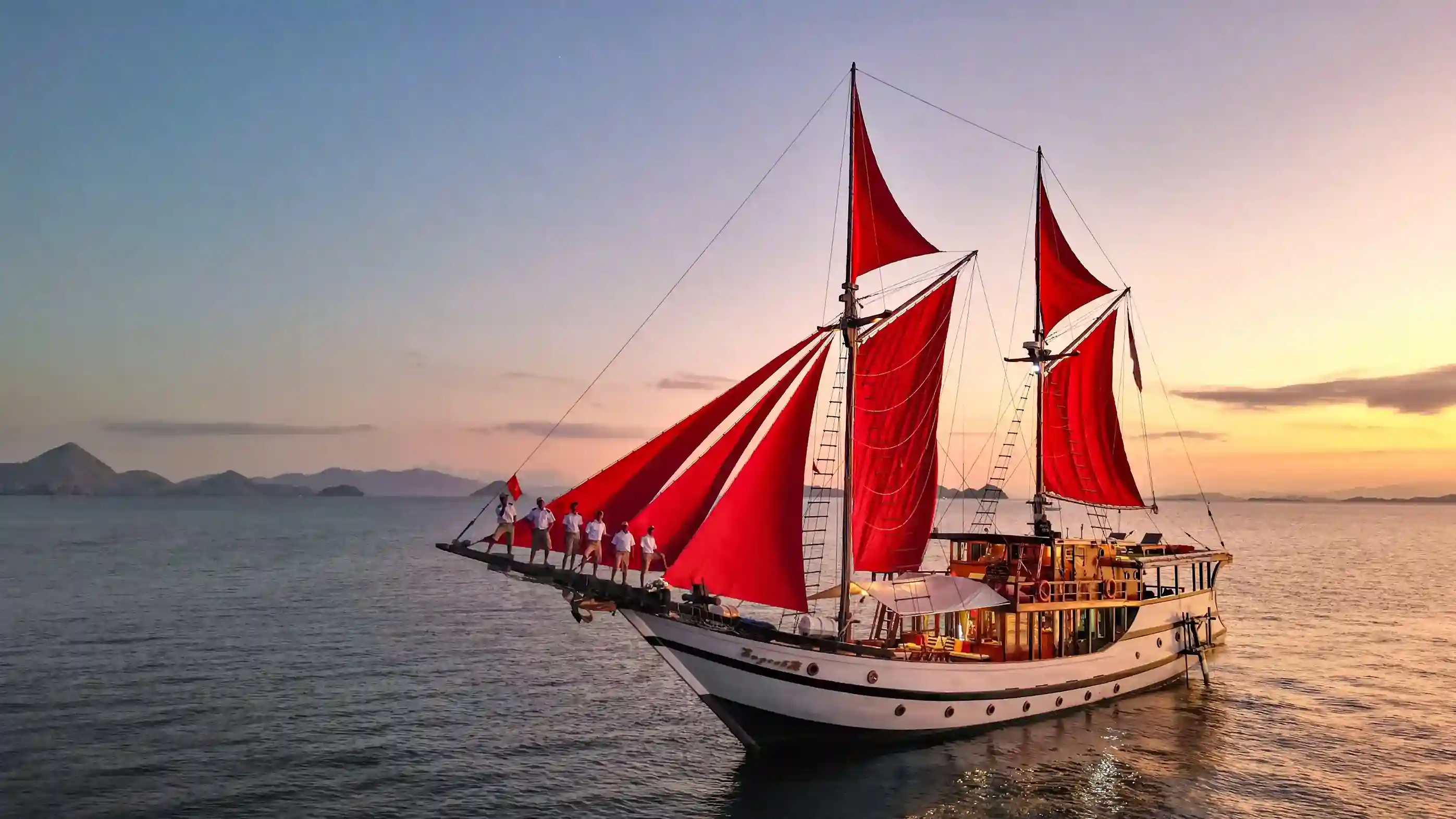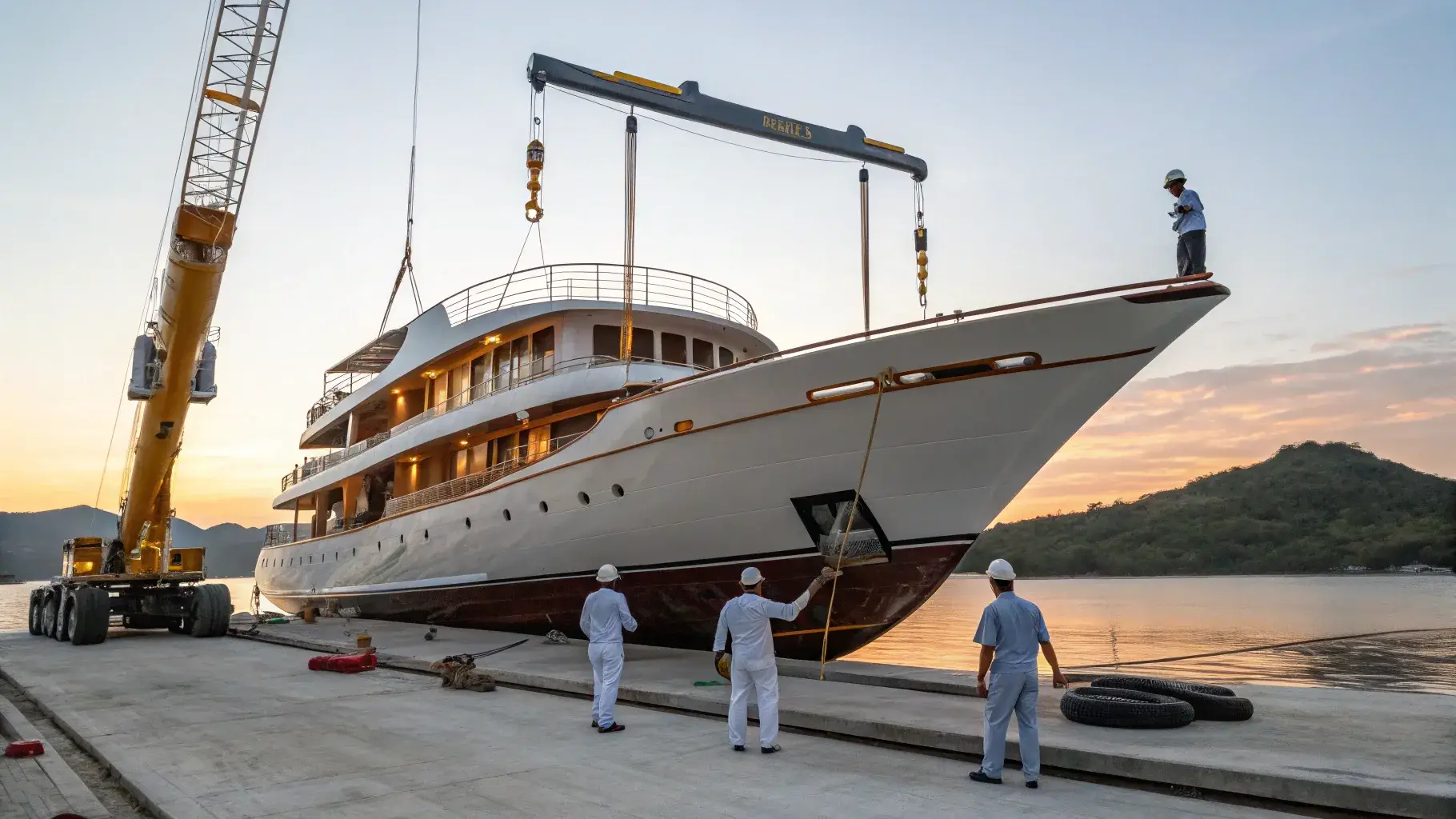
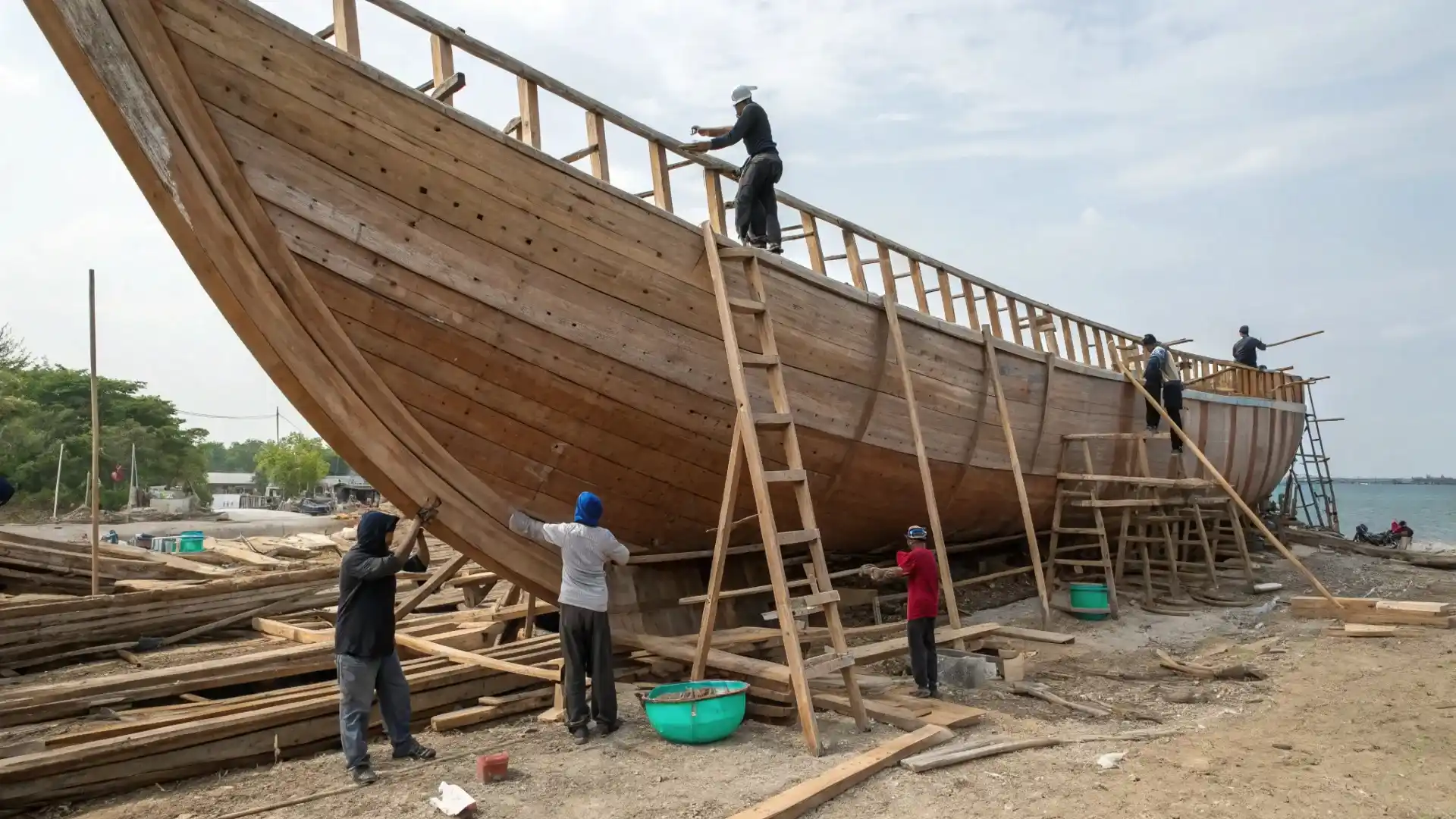
Every question buyers actually ask about phinisi builder indonesia — answered directly by Baso Rahman, Master phinisi shipwright, Ara–Bulukumba.
How do you ensure quality control without traditional blueprints?
Quality is ensured through dedicated on-site project management teams who verify structural integrity against GL standards and ensure stability per IMO standards. This skilled oversight compensates for the absence of written plans. Competent communication between the design team and master builders ensures the vessel is constructed precisely, treating the design itself as the foundational ingredient for success.
What types of wood are used in Phinisi construction, and how are they selected?
We primarily use ironwood, teak, and bitti, chosen for their inherent strength, seaworthiness, and cultural significance. Timber selection is guided by tradition, availability, and the specific functional requirements of each part of the vessel. The highest quality timber often originates from Kalimantan, leading many experienced builders to relocate there for direct access to superior wood.
What is the typical construction timeline for a Phinisi, and what factors influence it?
A Phinisi typically takes less than two years to build. Drying the wood can consume up to a year, with actual construction extending to 1.5 months or longer depending on specific conditions. The overall timeline is significantly affected by project management efficiency, timber quality, and whether interior decoration is completed separately in Bali or Java.
Are there inherent risks with traditional, non-technical building methods, and how are they mitigated?
Yes, construction relying on the master builder’s intuition and memory without blueprints carries a risk of inconsistency. This is mitigated by robust on-site project management and clear communication with the design team. Skilled Bugis and Konjo builders have refined these methods over centuries, making them reliable and safe when properly supervised by experienced teams.
How do you ensure the boat meets modern safety and regulatory standards?
We ensure compliance by verifying the structure against GL (Germanischer Lloyd) standards and stability against IMO (International Maritime Organization) standards. An on-site team consistently oversees these aspects during construction. We can also assist with boat registration and documentation in Indonesia through experienced firms, ensuring full legal compliance for your vessel.
Is on-site project management challenging, and how is it effectively addressed?
Managing builders on-site is challenging to ensure quality timber usage and satisfactory product delivery. This is effectively addressed by hiring a local experienced company, often run by foreigners, to supervise and perform quality control. Regular visits to Makassar or Kalimantan every two weeks, combined with consistent payments, are crucial for maintaining good results and progress.
What is the cost of building a Phinisi compared to other types of boats?
Constructing a 40–60 ft wooden boat in Indonesia is exceptionally economical and fast. While finding genuine marine-grade parts can be challenging and importing from Singapore or Thailand is expensive, the overall cost is significantly lower than acquiring a modern boat of comparable size and purpose. It represents a cost-effective solution for unique maritime needs.
Can I request a customized design, and how is it communicated to the builders?
Yes, buyers can provide their customized design, which is then translated into detailed 3D renderings and technical drawings by our design team. These visual aids and plans facilitate clear communication with the master builders, ensuring your specific vision is accurately understood and implemented throughout the construction process. This collaborative approach guarantees a personalized vessel.
What is the typical payment structure for a Phinisi construction project?
The payment structure typically involves an initial down payment, followed by scheduled installments tied to specific construction milestones. This phased approach ensures transparency and allows buyers to track progress. We ensure all payment terms are clearly outlined in the contract, providing financial clarity and security throughout the building process.
How do you handle unforeseen delays or material sourcing issues during construction?
Unforeseen delays or material sourcing issues are managed proactively through constant communication and flexible planning. Our project management team maintains strong relationships with timber suppliers and has contingency plans for alternative sourcing. We keep clients informed immediately of any significant changes and work to minimize impacts on the timeline and budget.
What kind of after-sales support do you offer for newly built Phinisis?
We offer comprehensive after-sales support, including guidance on vessel maintenance, access to our network of trusted repair services, and assistance with warranty claims for installed equipment. Our team remains available for consultation to ensure your Phinisi continues to perform optimally. We are committed to your long-term satisfaction and the vessel’s longevity.
Can you assist with the registration and official documentation of the Phinisi in Indonesia?
Yes, we provide full assistance with the registration and official documentation process for your Phinisi in Indonesia. Our experienced team navigates the local regulations and works with reputable firms to ensure all necessary paperwork is completed accurately and efficiently. This ensures your vessel is legally compliant and ready for operation.
What are the common challenges when importing marine-grade parts, and how do you overcome them?
Common challenges include high import costs, customs delays, and ensuring genuine marine-grade quality. We overcome these by planning imports well in advance, leveraging established relationships with international suppliers for reliable sourcing, and meticulously verifying product certifications. We prioritize quality and efficiency to minimize disruptions and additional expenses for our clients.
Do you provide options for interior decoration and outfitting, or is that handled separately?
We offer comprehensive options for interior decoration and outfitting, working closely with clients to realize their vision. While some clients prefer to handle decoration separately in Bali or Java, we can integrate these services into the project timeline. Our team ensures high-quality finishes and functional layouts that complement the Phinisi’s traditional design.
How do you ensure the environmental sustainability of your building practices?
We prioritize environmental sustainability by sourcing timber from legally managed forests and minimizing waste during construction. Our traditional methods inherently reduce reliance on heavy machinery and synthetic materials. We are committed to responsible practices that respect Indonesia’s natural resources and contribute to the long-term health of our ecosystems.
What is the process for a potential buyer to visit the construction site?
Potential buyers are welcome to visit our construction sites, typically located in Ara–Bulukumba or Kalimantan. We arrange guided tours where you can observe the building process firsthand and meet the master shipwrights. We recommend scheduling visits in advance to ensure our team can provide you with the best experience and detailed insights.
How do you maintain communication with international buyers throughout the construction?
We maintain consistent communication with international buyers through regular progress reports, photo and video updates, and scheduled virtual meetings. Our project managers are fluent in English and ensure all queries are addressed promptly. We utilize various digital platforms to bridge geographical distances, ensuring you are always informed and involved in your Phinisi’s progress.
What makes Phinisi Builder Indonesia unique compared to other builders in the region?
Phinisi Builder Indonesia stands out due to our deep lineage of master shipwrights from Ara–Bulukumba, combining centuries of traditional Konjo craftsmanship with modern project management and quality control. We prioritize transparent communication, adhere to international safety standards, and offer bespoke designs, delivering authentic yet compliant Phinisis built with integrity and passion.
Continue reading: Export Documents Compliance · Faq · How to Order a Phinisi Yacht in Indonesia: A 2027 Step-by-Step Commissioning Guide