
Buyer Guides
How to Choose the Right Phinisi Builder in Indonesia: A 2027 Step-by-Step Guide
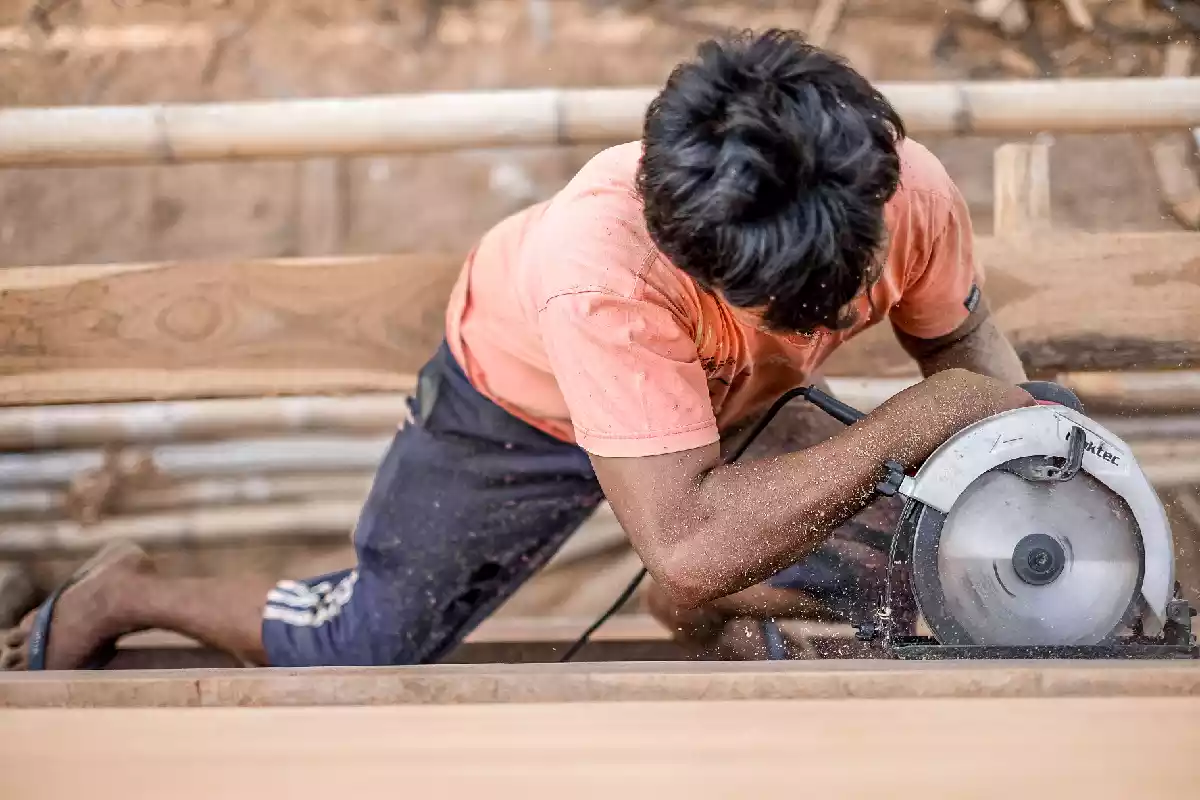
Choosing the right phinisi builder in Indonesia demands careful consideration of a specialised market. This guide outlines a step-by-step process for importers, wholesalers, retailers, interior contractors, and trade buyers to navigate the selection of a phinisi builder, focusing on the 2027 market landscape.
Understanding the Phinisi Market in 2027
The phinisi-building niche in Indonesia is a small but rapidly expanding luxury and tourism segment within the wider marine vessel market. Build prices typically range from US$0.4 million to US$10 million per boat. South Sulawesi shipyards are the primary construction centres, with fit-out and operational hubs located in Bali, Komodo, and Raja Ampat.
The Indonesia Marine Vessel Market is projected to grow at a Compound Annual Growth Rate (CAGR) of 5.8% from 2026–2032. By 2027, Indonesia’s marine vessel market is forecast to achieve a growth rate of 9.63%. Furthermore, Indonesia’s construction industry, which includes shipyards, is expected to expand at an average annual rate of 5.8% from 2026 to 2029, supported by large-scale infrastructure and energy projects.
Within this expanding market, phinisis occupy a high-value, low-volume luxury and tourism niche. Yacht Style reports that more ultra-luxurious Sulawesi sailing vessels are being built than ever before, with individual shipyards often managing multiple phinisis concurrently for the Southeast Asia charter market. Riara Marine notes that the phinisi market has evolved significantly, transitioning from functional coastal use to global luxury demand, particularly for tourism and liveaboards in Komodo and Raja Ampat, and for overseas buyers in regions such as the Maldives and Mediterranean.
Given these market dynamics, a high-single-digit annual growth rate for phinisi order books in 2026–2027 is consistent with available evidence, although precise unit volumes are not publicly disclosed.
2027 Note on Market Demand
For 2027, the demand for phinisis, particularly for luxury charter operations in regions like Komodo and Raja Ampat, is projected to remain robust. Buyers should anticipate competitive build slots and potentially longer lead times due to increased shipyard activity and the specific skills required for traditional phinisi construction.
Defining Your Phinisi Requirements
Before engaging with any builder, clearly define the intended use and specifications for your phinisi. This includes:
- Vessel Type: Commercial charter, private yacht, liveaboard, cargo, or hybrid.
- Size and Capacity: Length overall (LOA), beam, draft, number of cabins, passenger capacity.
- Materials: Traditional ironwood and teak, or a combination with modern composites for certain elements.
- Propulsion: Sail-only, motor-sailer, or motor yacht with traditional phinisi aesthetics.
- Interior Fit-out: Level of luxury, specific design themes, onboard facilities (spa, diving centre, tender storage).
- Budget Range: A realistic financial framework for the build, fit-out, and delivery.
Identifying Potential Builders
Researching reputable phinisi builders is a critical initial step. Focus on builders with established track records and transparent operations.
Key Regions for Phinisi Building
The primary region for phinisi construction is South Sulawesi, particularly around the Bira and Tanah Beru areas. These locations retain the ancestral knowledge and skilled craftsmen essential for authentic phinisi construction. Fit-out and operational support hubs are typically found in Bali, Komodo, and Raja Ampat.
Sources for Builder Information
- Industry publications and yachting magazines focusing on Southeast Asia.
- Marine trade shows and exhibitions.
- Referrals from yacht brokers, marine surveyors, and other industry professionals.
- Online marine directories and builder websites.
Evaluating Builder Credentials and Experience
Once a shortlist of potential builders is established, thorough due diligence is essential.
Track Record and Portfolio
Examine the builder’s portfolio of completed projects. Pay attention to the variety of vessels built, their sizes, and the quality of finish. Request references from previous clients and, if possible, inspect completed vessels.
Technical Expertise and Workforce
Inquire about the builder’s team, including naval architects, marine engineers, project managers, and traditional shipwrights. A reputable builder will have a multidisciplinary team capable of managing all aspects of the build, from hull construction to interior outfitting and systems integration.
Certifications and Compliance
Ensure the builder adheres to international marine standards and local regulations. This includes compliance with classification societies (if applicable), safety standards, and environmental regulations. For commercial vessels, flag state requirements are paramount.
The Proposal and Contract Phase
Once a preferred builder is identified, a detailed proposal and contract negotiation process follows.
Detailed Specifications and Quotations
Request a comprehensive proposal that includes detailed specifications, a breakdown of costs, a payment schedule, and a projected timeline for completion. Ensure all aspects, from hull construction to interior materials and engine specifications, are clearly itemised.
Contractual Agreements
A robust contract is crucial. It should cover:
- Scope of Work: Detailed description of the build, including materials, equipment, and finishes.
- Payment Schedule: Clear milestones and associated payments.
- Delivery Schedule: Specific dates for key construction phases and final delivery.
- Warranty and Guarantees: Builder’s responsibilities post-delivery.
- Dispute Resolution: Mechanisms for resolving any disagreements.
- Insurance: Coverage during construction and delivery.
- Change Order Process: Procedures for modifications during the build.
Project Management and Oversight
Effective oversight during the construction phase is vital to ensure the project stays on track and meets specifications.
Regular Site Visits
Arrange for regular visits to the shipyard to monitor progress, inspect workmanship, and address any issues promptly. Consider engaging a local marine surveyor or project manager for independent oversight.
Communication Protocols
Establish clear communication channels with the builder. Regular progress reports, photo updates, and scheduled meetings are essential for maintaining transparency and addressing concerns proactively.
Quality Control
Implement a stringent quality control process throughout the build. This involves inspecting materials upon delivery, monitoring construction techniques, and ensuring adherence to design specifications and safety standards.
| Phinisi Build Stage | Key Activities | Responsible Party |
|---|---|---|
| Design & Planning | Detailed specifications, architectural drawings, material selection | Buyer, Naval Architect, Builder |
| Hull Construction | Keel laying, frame assembly, planking, caulking | Builder (Traditional Shipwrights) |
| Systems Installation | Engine, generator, navigation, electrical, plumbing | Builder (Specialised Teams) |
| Interior Fit-out | Cabin construction, joinery, furniture, soft furnishings | Builder (Interior Craftsmen) |
| Finishing & Painting | Sanding, varnishing, anti-fouling, exterior paint | Builder |
| Sea Trials & Delivery | Performance testing, systems checks, final handover | Builder, Buyer, Marine Surveyor |
Post-Delivery Support
Consider the builder’s commitment to post-delivery support and warranty services. This includes addressing any latent defects, providing technical assistance, and facilitating access to spare parts.
Phinisi Construction Timelines and Key Milestones
Phinisi construction is a multi-stage process, influenced by vessel size, design complexity, and builder capacity. While precise timelines vary, understanding the typical phases and their durations is crucial for project planning and procurement. From initial design to sea trials, each stage requires specific expertise and material sourcing, primarily centered in South Sulawesi shipyards.
A standard phinisi build, ranging from US$0.4–10 million, generally spans 18 to 36 months for vessels up to 50 meters. Larger or highly customised projects can extend beyond this timeframe. Key milestones include hull completion, which represents a significant structural benchmark, followed by interior fit-out and systems integration. The final stages involve rigorous testing and regulatory certification before delivery.
- Design & Engineering: 3-6 months. Involves naval architects and marine engineers, often incorporating client customisations.
- Hull Construction (Keel laying to planking): 9-15 months. Utilises traditional techniques and local timber, primarily in South Sulawesi.
- Superstructure & Decking: 4-8 months. Fabrication and installation of cabin structures, decks, and external features.
- Interior Fit-out & Systems Installation: 6-12 months. Includes accommodation, galley, navigation, propulsion, and electrical systems, often completed in fit-out hubs like Bali.
- Painting & Finishing: 2-4 months. Exterior and interior coatings, final detailing.
- Sea Trials & Certification: 1-2 months. Performance testing, safety checks, and compliance with marine regulations.
Sourcing and Supply Chain Considerations
The phinisi building industry in Indonesia relies on a blend of local craftsmanship and international material sourcing. Understanding this supply chain is critical for importers, wholesalers, and interior contractors involved in vessel outfitting or component supply. South Sulawesi shipyards are primary construction sites, while fit-out and operations hubs in Bali, Komodo, and Raja Ampat serve as logistical points for interior components and operational supplies.
Local materials, particularly hardwoods like Ulin (ironwood) and Teak, are fundamental for hull and deck construction, sourced within Indonesia. However, a significant portion of interior finishes, marine electronics, propulsion systems, and luxury amenities are imported. This dual sourcing strategy impacts lead times, customs procedures, and overall project costs. Builders often maintain established relationships with both domestic timber suppliers and international marine equipment distributors.
| Category | Primary Sourcing Location | Impact on Project |
|---|---|---|
| Hull & Deck Timber | Indonesia (Kalimantan, Sulawesi) | Reliable supply, traditional construction. |
| Marine Engines & Gearboxes | International (e.g., Europe, Japan) | Import logistics, lead times, specific brand requirements. |
| Navigation & Communication Electronics | International | Technology standards, warranty, integration. |
| Interior Furniture & Finishes | Indonesia (local craftsmen), International | Customisation potential, design trends, shipping costs. |
| Safety Equipment | International (SOLAS certified) | Regulatory compliance, certification, maintenance. |
For trade buyers and importers seeking wholesale opportunities in B2B furniture and handicrafts from Indonesia, request a wholesale quote on WhatsApp.
Continue reading: The 2027 Guide to Phinisi Yacht Design and Build in Indonesia: From Concept to Completion · The 2027 Guide to Timber Selection for Sustainable Phinisi Construction · Phinisi Builder Indonesia: 18 Questions Answered
Keep reading
More from the yard.
Buyer Guides
How to Build a Phinisi in Indonesia: The Ultimate 2027 Buyer’s Guide
Phinisi construction in Indonesia represents a distinct luxury and tourism segment within the marine vessel market, with build prices typically…
Buyer Guides
How to Order a Phinisi Yacht in Indonesia: A 2027 Step-by-Step Commissioning Guide
Commissioning a phinisi yacht in Indonesia involves a structured process, from initial design to final delivery. This guide details the…
Buyer Guides
Market Trends: Why Charter Demand is Boosting Phinisi Builds in Indonesia
Phinisi shipbuilding in Indonesia is a specialised luxury segment experiencing growth due to increasing demand for charter services. Build prices…
Buyer Guides
Phinisi Boat Building Services in Indonesia: Choosing Your 2027 Project Partner
Indonesia’s phinisi-building sector is a specialised luxury and tourism segment experiencing rapid growth. Build prices typically range from US$0.4 to…
Buyer Guides
Phinisi Builder Indonesia Certification: How to Verify Excellence in 2027
Phinisi Builder Indonesia provides clarity on verifying excellence in phinisi construction for 2027. This guide addresses the lack of official…

Buyer Guides
Phinisi Buying Mistakes: What to Avoid When Commissioning in Indonesia
Commissioning a phinisi yacht in Indonesia requires careful consideration to avoid common pitfalls. Build prices typically range from US$0.4–10 million,…

Buyer Guides
Phinisi Custom Yacht Build Indonesia: Essential Considerations for 2027 Buyers
Phinisi custom yacht builds in Indonesia represent a growing luxury tourism segment, with typical build prices ranging from US$0.4–10 million.…
Buyer Guides
Phinisi Liveaboard Builder Indonesia: Trends and Tips for 2027 Custom Projects
Indonesia's phinisi-building sector is a growing luxury and tourism niche within the marine vessel market, with build prices typically ranging…