
Builder Comparisons
Builder Comparison: Top Phinisi Craftsmen in Kalimantan vs. Sulawesi
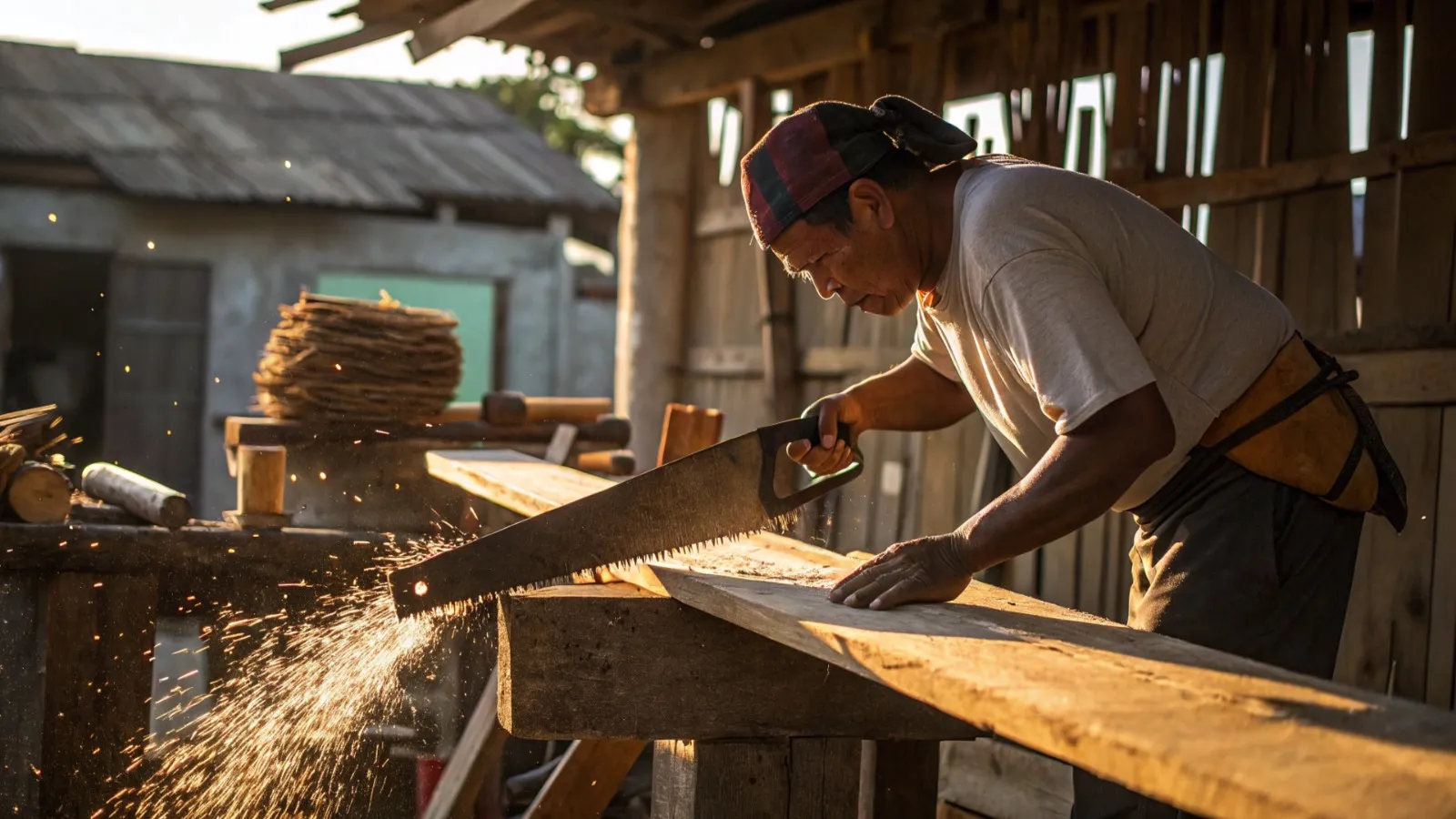
Phinisi building, a specialized segment within Indonesia’s marine vessel market, is experiencing sustained growth, driven by demand for luxury tourism and liveaboards. South Sulawesi remains the primary hub for construction, with an increasing number of vessels built for both domestic charter and international buyers.
Builder Comparison: Top Phinisi Craftsmen in Kalimantan vs. Sulawesi
Indonesia’s phinisi-building niche is a small but fast-growing luxury and tourism segment within the broader marine vessel market. Build prices typically range from US$0.4 million to US$10 million per boat. The industry is centered on South Sulawesi shipyards, with fit-out and operations hubs in Bali, Komodo, and Raja Ampat.
Market Dynamics and Growth (2026–2027)
While specific standalone market statistics for phinisi builders are not published, their activity is encompassed within the Indonesia marine vessel and nautical tourism segments. The broader Indonesia Marine Vessel Market is projected to grow at a Compound Annual Growth Rate (CAGR) of 5.8% from 2026–2032. By 2027, this market is forecast to achieve a growth rate of 9.63%. Furthermore, Indonesia’s construction industry, which includes shipyards, is expected to expand at an average annual rate of 5.8% from 2026 to 2029, supported by large-scale infrastructure and energy projects.
Within these figures, phinisis occupy a high-value but low-volume luxury and tourism niche. Industry observers note that more ultra-luxurious Sulawesi sailing vessels are being built than ever before, with individual shipyards reporting multiple phinisis under concurrent construction for the Southeast Asia charter market. The phinisi market has evolved dramatically, moving from functional coastal use to global luxury demand, particularly for tourism and liveaboards in Komodo and Raja Ampat, and for overseas buyers in regions such as the Maldives and the Mediterranean.
Given the vessel market growth of approximately 6–10% per year, rising luxury charter demand in Indonesia’s closed registry market, and multiple yards now building several units in parallel, a high-single-digit annual growth rate for phinisi order books in 2026–2027 is consistent with available evidence, though precise unit volumes are not published.
Geographic Concentration: South Sulawesi’s Dominance
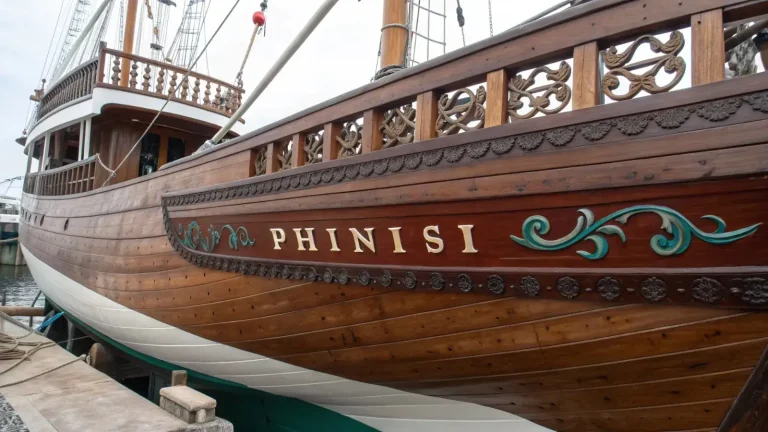
South Sulawesi, specifically the regencies of Bulukumba, Bira, and Tanah Beru, is the established heartland of phinisi construction. This region benefits from generations of shipbuilding knowledge passed down through families, using traditional Buginese and Makassarese techniques. The concentration of skilled craftsmen, timber resources, and established supply chains creates an efficient ecosystem for phinisi construction.
- Bulukumba/Bira/Tanah Beru: These areas are synonymous with phinisi building. The local communities possess an inherent understanding of timber selection, hull design, and rigging, honed over centuries.
- Access to Materials: Proximity to suitable timber, such as ironwood (ulin) and teak, is a significant advantage. These hardwoods are crucial for the structural integrity and longevity of phinisis.
- Skilled Workforce: The generational transfer of knowledge ensures a continuous supply of master shipwrights and their apprentices, maintaining traditional craftsmanship standards.
Kalimantan’s Role and Capabilities
While South Sulawesi is the primary hub, Kalimantan, particularly regions with access to extensive timber reserves, also has shipbuilding capabilities. Historically, Kalimantan has been known for constructing various types of wooden vessels, including smaller cargo boats and riverine craft. However, its involvement in high-end luxury phinisi construction is significantly less pronounced compared to South Sulawesi.
- Timber Resources: Kalimantan possesses vast timber resources, which could theoretically support shipbuilding. However, the specialized knowledge for phinisi design and construction is less prevalent.
- Shipbuilding Tradition: Kalimantan’s shipbuilding tradition has typically focused on different vessel types, and the specific expertise required for the complex phinisi hull and rigging design is not as deeply ingrained.
- Infrastructure: The infrastructure for luxury yacht fit-out, including specialized workshops for interiors, electronics, and advanced marine systems, is less developed in Kalimantan compared to the established networks supporting Sulawesi-built phinisis.
Key Differentiators: Sulawesi’s Advantages
The distinction between phinisi builders in Sulawesi and Kalimantan largely comes down to heritage, specialized skill, and established infrastructure.
| Feature | South Sulawesi Phinisi Builders | Kalimantan Builders (General Wooden Vessels) |
|---|---|---|
| Primary Focus | Luxury phinisis, liveaboards, charter yachts | Cargo vessels, riverine craft, simpler wooden boats |
| Traditional Knowledge | Centuries-old Buginese/Makassarese phinisi-specific techniques | General wooden boat construction, less phinisi-specific |
| Craftsmanship Level | High-end, intricate design, fine finishing | Functional, robust, less emphasis on luxury finish |
| Access to Skilled Labour | Deep pool of master phinisi shipwrights and artisans | Skilled in general wooden boat building, fewer phinisi specialists |
| Supply Chain for Luxury Fit-out | Established networks for interiors, systems, and finishes | Limited or undeveloped for luxury yacht components |
| Market Reputation | Globally recognized for authentic phinisi construction | Regional reputation for various wooden vessels |
| Typical Build Price Range | US$0.4–10 million for phinisis | Lower for simpler wooden vessels |
Construction Process and Quality Control
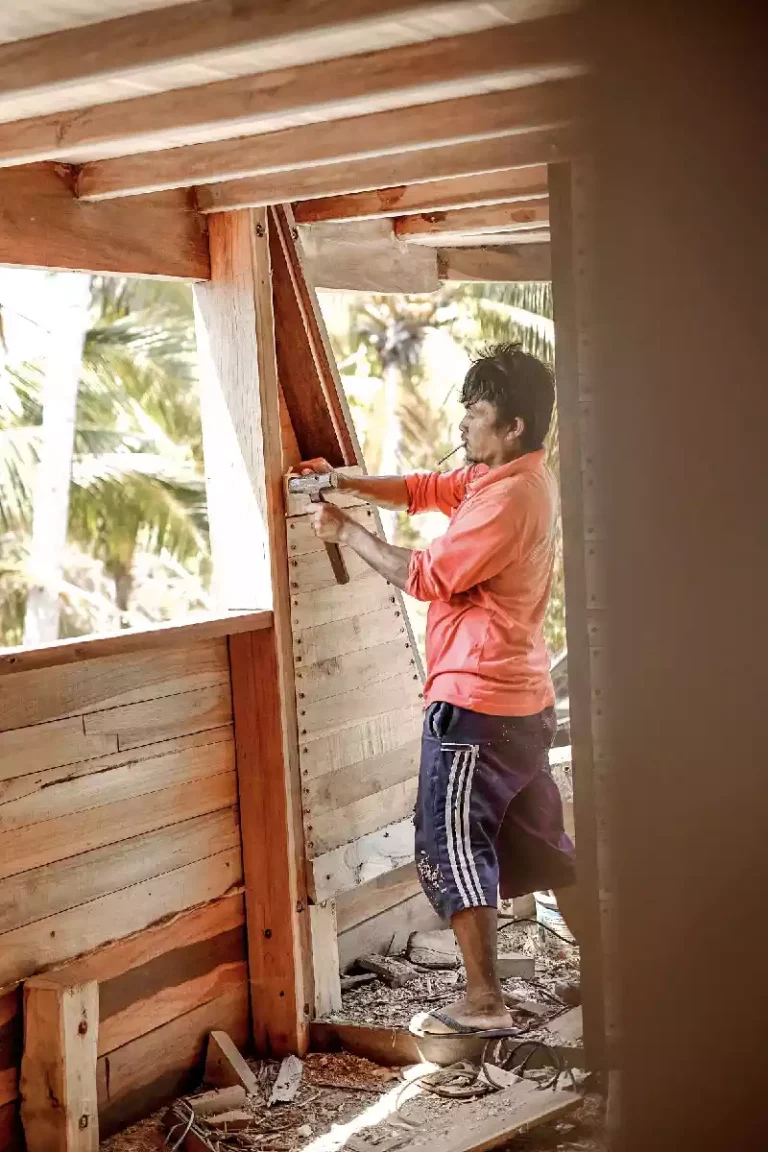
In South Sulawesi, the construction process for a phinisi typically begins with the selection of high-quality timber. The hull is shaped by hand, guided by traditional knowledge and experience, rather than solely by modern blueprints. This artisanal approach ensures that each vessel has a unique character while adhering to proven hydrodynamic principles. Quality control is often intrinsic, with master builders overseeing every stage, from keel laying to mast stepping.
Modern phinisi construction also integrates contemporary marine engineering and safety standards. While the hull shape remains traditional, propulsion systems, navigation electronics, communication equipment, and luxury interior fit-outs are supplied by international manufacturers. The final stages, including interior joinery, plumbing, electrical systems, and custom furniture, are often completed in dedicated fit-out facilities in Bali or other operational hubs to meet the exacting standards of luxury yacht buyers and charter operators.
The 2027 Note on Market Evolution
By 2027, the phinisi market is expected to see continued innovation in interior design and onboard amenities, driven by demand for enhanced guest experiences in the luxury charter sector. This will further solidify South Sulawesi’s position as the construction hub, as it possesses the foundational shipbuilding expertise necessary to integrate these advanced features into traditional hulls.
Why South Sulawesi Remains the Premier Choice
For importers, wholesalers, retailers, interior contractors, and trade buyers seeking authentic, high-quality phinisis, South Sulawesi remains the undisputed leader. The region offers:
- Authenticity and Heritage: Direct lineage to the historical phinisi-building tradition.
- Unmatched Craftsmanship: Generations of specialized skills in designing and constructing these unique vessels.
- Structural Integrity: Expertise in selecting and working with tropical hardwoods for durability.
- Proven Track Record: A growing number of luxury phinisis successfully built and operating globally.
- Integrated Ecosystem: Access to skilled labour and an evolving support network for luxury finishes.
While Kalimantan contributes to Indonesia’s broader marine industry, its focus and expertise are not aligned with the specialized requirements of luxury phinisi construction. The intricate balance of traditional knowledge and modern integration required for a high-end phinisi is predominantly found and perfected in South Sulawesi.
For further details on phinisi construction or to discuss specific project requirements, request a wholesale quote on WhatsApp.
Continue reading: Phinisi Cost Breakdown: Pricing Factors for Custom Yachts in Indonesia · Phinisi Custom Yacht Build Indonesia: Essential Considerations for 2027 Buyers · Faq
Sulawesi vs. Lombok: Where Should You Commission in 2027?
Kalimantan and Sulawesi dominate hull construction, but buyers increasingly weigh a third option. Compare phinisi builders in Sulawesi and Lombok and you are really comparing heritage depth against finishing logistics. South Sulawesi — Tana Beru, Ara and Bira — remains the source of master shipwrights and big-hull capability. Lombok offers proximity to Bali’s marine trades: upholstery, stainless work, electronics and charter surveyors are a short hop away, and owners can inspect the fit-out without a Makassar flight.
- Hull and structure: Sulawesi, without serious rival. The building culture is generational and the ironwood supply chain is established.
- Interior and systems: Lombok or Bali-adjacent yards shorten the finishing phase by four to eight weeks in our project records.
- Owner logistics: Lombok wins for visit frequency; Sulawesi wins for witnessing the traditional keel-laying and planking stages that give a phinisi its value.
Our standard 2027 programme runs structure in Sulawesi and finishing toward Lombok–Bali waters, under one contract and one project manager, so you get the strongest hull and the fastest fit-out without managing two yards yourself.
Keep reading
More from the yard.
Uncategorized
Commissioning a Phinisi in 2026: What Komodo Charters Teach
Future owners commissioning a phinisi ask three questions more than any others: which cabin mix actually earns, what power and…
Planning & Supervision
Charter-Spec vs Private-Spec Phinisi: Build Choices That Diverge
A charter-spec phinisi is engineered around revenue: maximum guest cabins with identical quality, robust crew areas, redundant systems that protect…
Planning & Supervision
Yard Capacity in 2027: Booking Your Phinisi Build Slot Early
Serious phinisi yards enter 2027 with slipways committed twelve to eighteen months ahead: charter-fleet renewal, post-quake rebuilding demand and a…
Planning & Supervision
The Owner Visit Schedule: When to Fly In During a Build
Five owner visits carry most of a build's value: contract signing and yard walk, keel-laying with the timber on site,…
Construction & Engineering
Interior Fit-Out Sequencing on a Phinisi Build
Phinisi fit-out follows one law: nothing closes until what lives behind it is installed, tested and photographed. The working sequence…
Construction & Engineering
Phinisi Deck Hardware: Sourcing Winches and Fittings That Last
Phinisi deck hardware splits into load-bearing items — winches, windlass, cleats, chainplates, blocks — which must be load-rated and documented,…
Planning & Supervision
Supervising From Afar: Monthly Build Reports That Tell the Truth
A truthful monthly build report has five parts: progress against the contractual milestone table, photographs from fixed repeat vantage points,…
Planning & Supervision
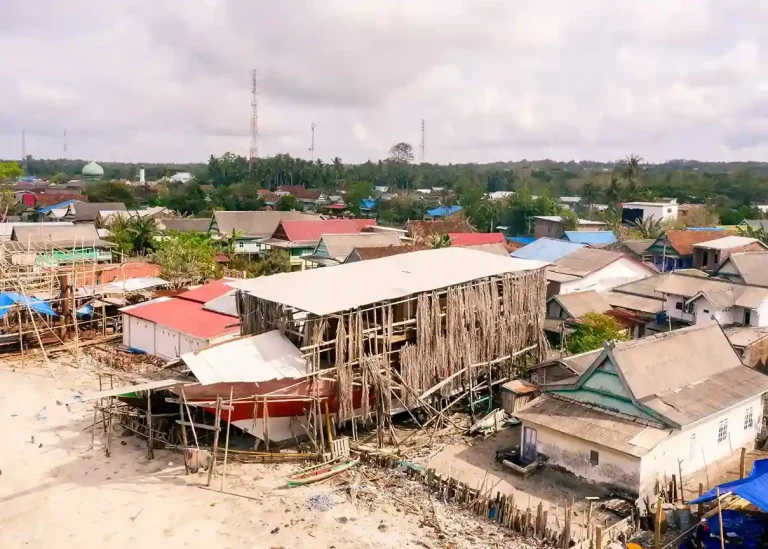
Sulawesi vs Kalimantan Yards: Logistics Behind the Comparison
The Sulawesi–Kalimantan choice is a logistics decision wearing a heritage costume: Sulawesi yards sit at the heart of the Konjo…