
Construction & Engineering
Phinisi Interior Design Trends: What’s New for Indonesian Luxury Yachts
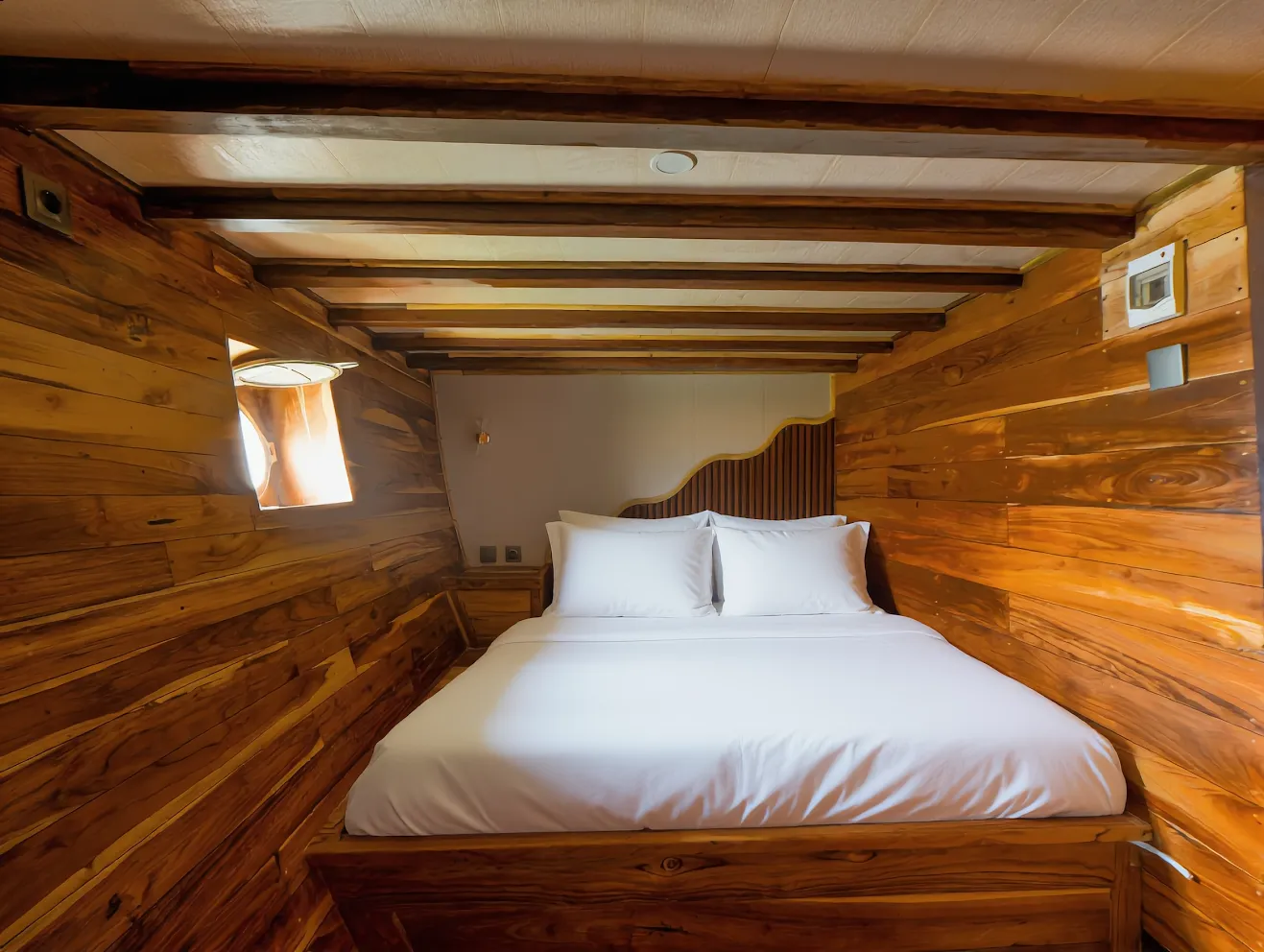
The phinisi-building niche in Indonesia is a rapidly expanding luxury and tourism segment within the broader marine vessel market. Build prices typically range from US$0.4 to US$10 million per vessel, with construction concentrated in South Sulawesi shipyards. Fit-out and operational hubs are primarily located in Bali, Komodo, and Raja Ampat.
Phinisi Interior Design Trends: What’s New for Indonesian Luxury Yachts
As Master Phinisi Shipwright and Senior Content Lead for Phinisi Builder Indonesia, I observe the evolving demands within the luxury yacht segment. The traditional phinisi, a vessel of significant heritage, is now at the forefront of bespoke interior design, catering to a discerning international clientele.
Indonesia’s marine vessel market is projected to grow at a Compound Annual Growth Rate (CAGR) of 5.8% from 2026–2032. By 2027, the market is forecast to achieve a growth rate of 9.63%. This expansion provides a robust framework for the phinisi sector, which, while a high-value, low-volume niche, is experiencing increased demand. Shipyards in South Sulawesi are reporting multiple phinisis under construction concurrently, reflecting a significant uplift in orders for luxury charter vessels in Southeast Asia and for overseas buyers.
Market Dynamics and Growth
The phinisi market has transitioned from functional coastal vessels to a global luxury commodity, particularly for tourism and liveaboard experiences in regions such as Komodo and Raja Ampat. This shift is also evident in demand from overseas buyers in areas like the Maldives and the Mediterranean. Given the projected marine vessel market growth and rising luxury charter demand within Indonesia’s closed registry, a high-single-digit annual growth rate for phinisi order books in 2026–2027 is a consistent inference, though precise unit volumes are not publicly disclosed.
Current Build and Charter Price Ranges
Build Costs
The cost of constructing a phinisi varies considerably based on size, materials, level of customisation, and interior specifications. Smaller, more traditional vessels start at approximately US$400,000, while larger, highly customised luxury yachts can exceed US$10 million.
- Small Phinisi (approx. 20-30m): US$0.4 million – US$1.5 million
- Mid-size Phinisi (approx. 30-45m): US$1.5 million – US$5 million
- Large Luxury Phinisi (45m+): US$5 million – US$10 million+
These figures represent the ex-yard cost for a fully fitted vessel, excluding operational expenses, crew, and subsequent maintenance.
Charter Rates
Luxury phinisi charter rates reflect the vessel’s size, interior fit-out, amenities, crew complement, and cruising region. Rates are typically quoted per day, excluding provisions, fuel, and port fees.
| Vessel Size | Daily Charter Rate (Approximate) | Weekly Charter Rate (Approximate) |
|---|---|---|
| Small (2-4 cabins) | US$1,500 – US$4,000 | US$10,500 – US$28,000 |
| Mid-size (4-6 cabins) | US$4,000 – US$8,000 | US$28,000 – US$56,000 |
| Large Luxury (6+ cabins) | US$8,000 – US$20,000+ | US$56,000 – US$140,000+ |
These rates are indicative and subject to seasonal variations and specific operator packages.
Key Interior Design Trends for 2026–2027
The demand for bespoke interiors continues to drive innovation in phinisi design. Buyers, whether for private use or the high-end charter market, prioritise comfort, functionality, and a connection to the Indonesian aesthetic, executed with contemporary luxury standards.
Sustainable Materials and Craftsmanship
There is an increasing emphasis on sustainable sourcing for interior materials. Reclaimed teak, locally sourced hardwoods, and bamboo are being utilised not only for their durability and aesthetic appeal but also for their reduced environmental impact. Our focus at Phinisi Builder Indonesia is on collaborating with local artisans to incorporate traditional carving techniques and weaving into contemporary designs. This ensures authenticity while supporting local communities.
Integrated Smart Technology
Modern phinisis are integrating advanced smart home technologies. This includes sophisticated climate control systems, integrated entertainment hubs with satellite connectivity, and intuitive lighting controls. These systems are subtly incorporated to maintain the vessel’s traditional aesthetic, ensuring that technology enhances rather than dominates the interior space. Guests expect connectivity and comfort, mirroring the amenities found in high-end land-based accommodations.
Biophilic Design Elements
Bringing natural elements indoors is a significant trend. This involves the use of living plants, natural stone features, and large windows that maximise natural light and offer expansive ocean views. The aim is to create interiors that feel open, airy, and connected to the marine environment, fostering a sense of calm and well-being for passengers.
Versatile and Open-Plan Layouts
Flexible interior spaces are becoming standard. Designers are creating adaptable cabins and common areas that can serve multiple functions, from dining and relaxation to professional meetings. Open-plan salons and dining areas enhance the sense of space and facilitate social interaction, while modular furniture allows for reconfigurations as needed. This adaptability is crucial for both private owners and charter operators seeking to cater to diverse client needs.
Indonesian Heritage with Contemporary Luxury
The core of phinisi interior design remains its Indonesian heritage. This translates into the incorporation of traditional motifs, Batik fabrics, and hand-carved details, but reinterpreted with a modern, minimalist sensibility. The goal is to achieve a luxurious, refined aesthetic that pays homage to the vessel’s origins without appearing overly traditional. Colour palettes often draw inspiration from the Indonesian archipelago – earthy tones, deep blues, and vibrant greens, complemented by natural textures.
2027 Note on Interior Material Sourcing
By 2027, the demand for certified sustainable timber and locally-produced artisanal furnishings is expected to solidify as a primary driver for interior fit-out specifications. Importers and trade buyers will increasingly require verified provenance for all natural materials, influencing supply chains and manufacturing processes for luxury phinisi components.
As a B2B export house, Phinisi Builder Indonesia specialises in supplying high-quality furniture and handicrafts for these bespoke yacht interiors. Our expertise lies in translating these design trends into tangible, export-ready products that meet international standards for luxury and durability. We work directly with designers and shipbuilders to provide tailored solutions, from custom cabinetry to decorative accents, ensuring each piece complements the unique vision for every phinisi.
Phinisi Interior Design & Fit-Out Sourcing
Phinisi construction is concentrated in South Sulawesi shipyards, primarily for hull and superstructure fabrication. However, interior design, fit-out, and final outfitting often occur in established tourism hubs. This separation allows for specialized expertise in each phase.
For interior fit-out, key operational centres include Bali, Komodo, and Raja Ampat. Bali offers a mature supply chain for luxury furnishings, skilled craftspeople, and access to imported materials. Komodo and Raja Ampat serve as direct operational bases for charter vessels, facilitating localised maintenance and refit work.
Importers, wholesalers, and interior contractors can target these fit-out hubs for supplying high-quality materials and bespoke furniture. The demand spans both new builds and the ongoing refurbishment of existing charter fleets, which require periodic upgrades to meet evolving luxury standards.
Interior Material Sourcing: Key Considerations for 2026–2027
The selection of interior materials for phinisis in 2026–2027 will balance aesthetic trends with practical considerations for marine environments and sustainability. Buyers focus on durability, weight, and ease of maintenance, alongside visual appeal.
Sourcing strategies will increasingly prioritise materials with certified provenance, particularly for timber. The integration of advanced composites and lightweight panels is also gaining traction for structural elements and non-load-bearing partitions, reducing overall vessel weight and improving fuel efficiency.
There is consistent demand for natural materials such as teak, merbau, and local hardwoods for flooring, panelling, and custom furniture. Suppliers of high-quality fabrics, marine-grade upholstery, and bespoke hardware will find consistent opportunities within this market segment.
- Teak and Merbau: Primary hardwoods for decking, flooring, and custom cabinetry.
- Local Hardwoods: Used for decorative elements and bespoke furniture.
- Marine-Grade Upholstery: Durable, UV-resistant, and mildew-resistant fabrics.
- Lightweight Panels: For interior partitions and ceilings to reduce overall vessel weight.
- Custom Hardware: Brass, stainless steel, and other corrosion-resistant metals for fittings.
For importers, wholesalers, retailers, interior contractors, and trade buyers seeking authentic Indonesian craftsmanship for luxury marine projects, we offer comprehensive wholesale solutions. request a wholesale quote on WhatsApp.
Continue reading: Phinisi Liveaboard Builder Indonesia: Trends and Tips for 2027 Custom Projects · Phinisi Superyacht Builder Indonesia: What to Expect for a 2027 Custom Build · Payment Terms
Keep reading
More from the yard.
Construction & Engineering
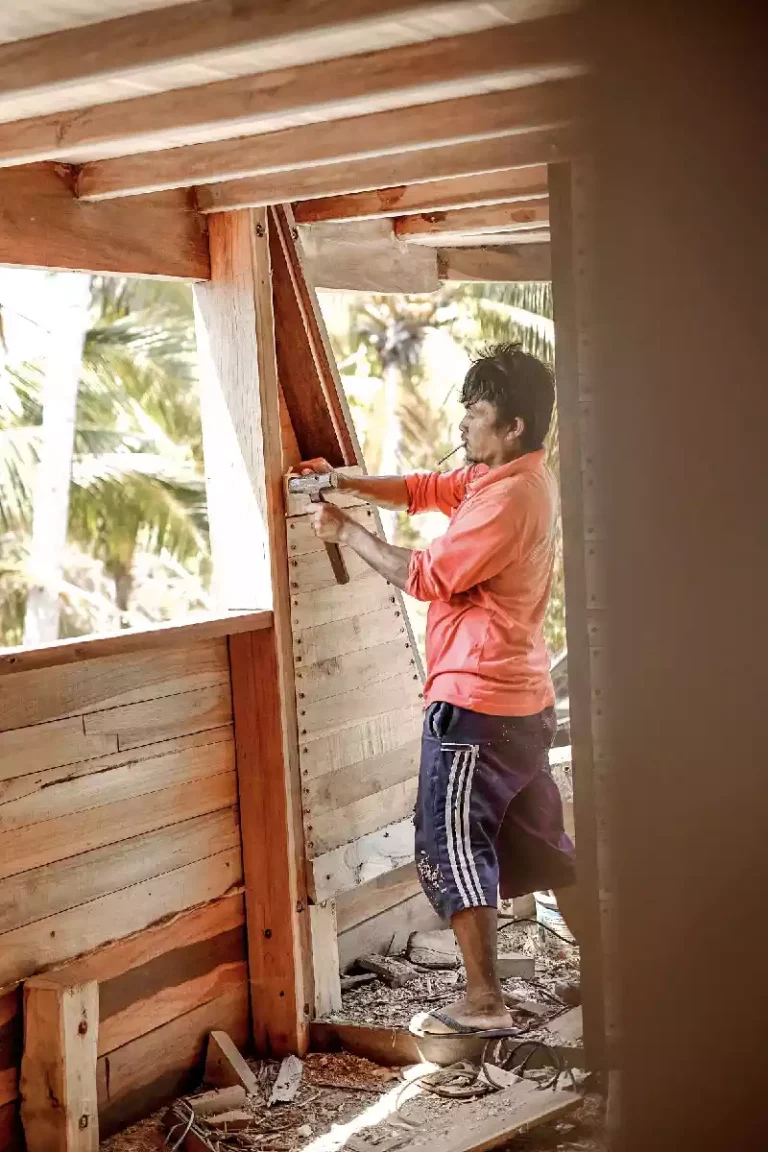
Interior Fit-Out Sequencing on a Phinisi Build
Phinisi fit-out follows one law: nothing closes until what lives behind it is installed, tested and photographed. The working sequence…
Construction & Engineering
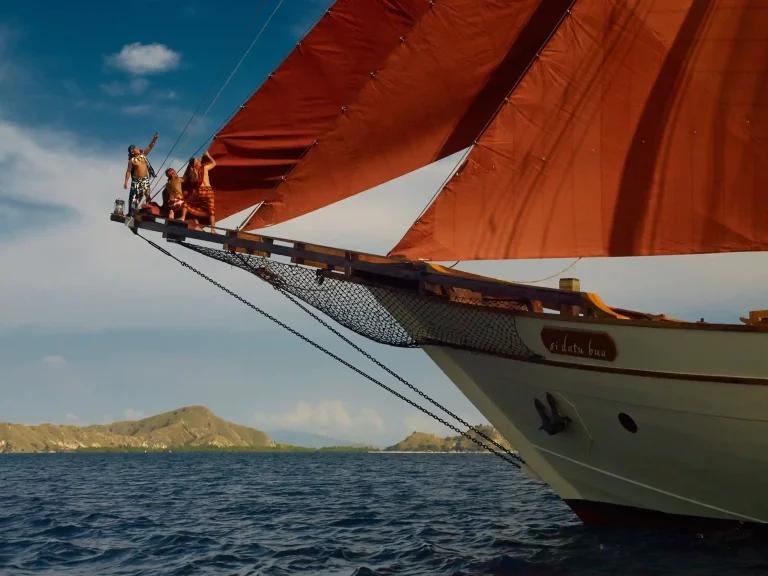
Phinisi Deck Hardware: Sourcing Winches and Fittings That Last
Phinisi deck hardware splits into load-bearing items — winches, windlass, cleats, chainplates, blocks — which must be load-rated and documented,…
Construction & Engineering
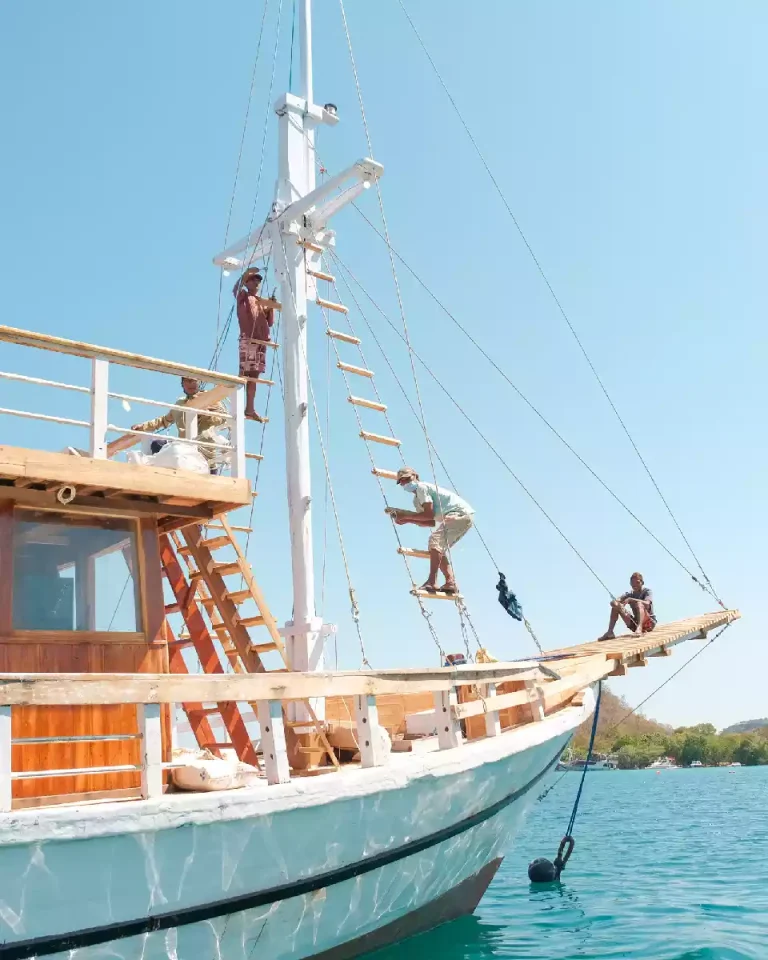
Tank Capacities on New Phinisi: Planning Water, Fuel and Waste
Size phinisi tanks from the itinerary, not the hull: budget roughly 200 litres of fresh water per person per day…
Construction & Engineering
Engine Selection for a New Phinisi: Power Bands That Fit the Hull
A displacement phinisi needs far less power than owners assume: roughly 150–250 hp serves a 25–30 m hull, 300–500 hp a 35–45 m vessel,…

Construction & Engineering
Masts and Rigging for New Phinisi: Makers, Materials, Loads
A new phinisi carries a gaff-ketch rig of two masts and typically seven sails. Spars are built either from laminated…
Construction & Engineering
Fiberglass-Sheathed Phinisi Hulls: Hybrid Construction Explained
A fiberglass-sheathed phinisi is a traditionally planked wooden hull wrapped below and around the waterline in epoxy-set glass cloth. Done…
Construction & Engineering
The Aluminium Phinisi Question: Feasibility Beyond Tradition
An aluminium phinisi is feasible as a naval-architecture exercise — a metal hull carrying phinisi lines and rig — but…
Construction & Engineering
How to Specify Your Custom Phinisi in 2027: Engine, Cabin, and Tech Options
Specifying a custom phinisi in 2027 requires understanding a dynamic market. Build prices typically range from US$0.4–10 million, centered on…