
Buyer Guides
Phinisi Superyacht Builder Indonesia: What to Expect for a 2027 Custom Build
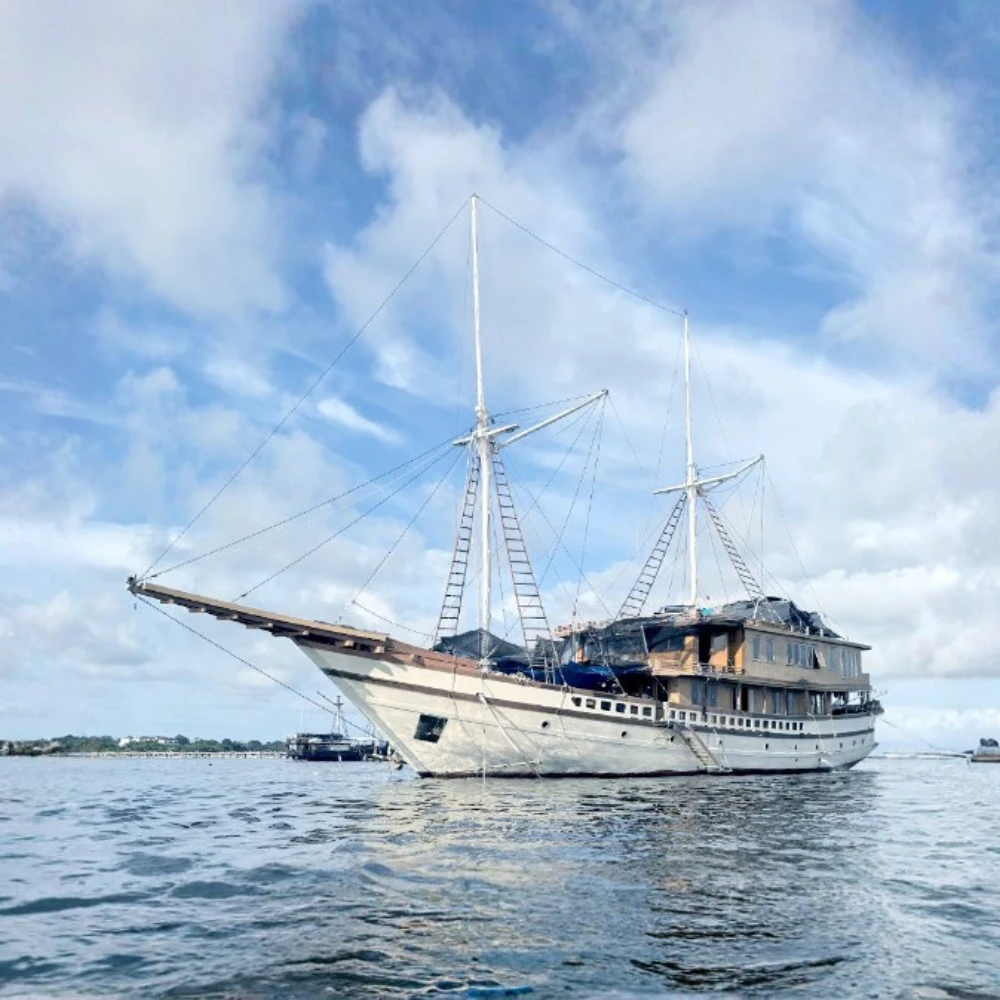
Indonesia’s phinisi-building sector is a growing luxury and tourism niche within the broader marine vessel market. Custom build prices typically range from US$0.4 to US$10 million per boat, with primary shipyards located in South Sulawesi and operational hubs in Bali, Komodo, and Raja Ampat.
Phinisi Superyacht Builder Indonesia: What to Expect for a 2027 Custom Build
As a master phinisi shipwright from Ara, Bulukumba, I can provide a comprehensive overview for trade buyers considering a custom phinisi superyacht build in Indonesia for 2027 delivery. Our insights are grounded in the current market dynamics and our direct involvement in this specialised craft.
Market Size and Growth for 2026–2027
The phinisi-building niche operates within Indonesia’s broader marine vessel and nautical tourism segments. While standalone statistics for phinisi builders are not officially published, the growth trajectory of the wider market provides a relevant framework:
- The Indonesia Marine Vessel Market is projected to grow at a Compound Annual Growth Rate (CAGR) of 5.8% from 2026–2032.
- By 2027, Indonesia’s marine vessel market is forecast to achieve a growth rate of 9.63%.
- Indonesia’s construction industry, which includes shipyards, is expected to expand at an average annual rate of 5.8% from 2026 to 2029, supported by significant infrastructure and energy projects.
Within these figures, phinisis occupy a high-value, low-volume luxury and tourism niche. Industry observations confirm that more ultra-luxurious Sulawesi sailing vessels are being built than ever before, with individual shipyards often managing multiple phinisis concurrently for the Southeast Asia charter market. The phinisi market has evolved from functional coastal use to meet global luxury demand, particularly for tourism and liveaboard operations in Komodo and Raja Ampat, as well as for overseas buyers in regions like the Maldives and Mediterranean.
Given the projected vessel market growth of approximately 6–10% per year, rising luxury charter demand within Indonesia’s closed registry market, and multiple yards now constructing several units in parallel, a high-single-digit annual growth rate for phinisi order books in 2026–2027 is consistent with available evidence. Precise unit volumes, however, are not publicly disclosed.
Typical Price Ranges: Build and Charter
Understanding the financial aspects is crucial for planning a 2027 custom build. Prices for phinisi superyachts vary significantly based on size, materials, interior specifications, and onboard systems.
Build Costs
Custom build prices typically range from US$0.4 million for smaller, simpler vessels to US$10 million for large, highly specified luxury superyachts. This range reflects the spectrum from a basic charter vessel to a bespoke superyacht with extensive luxury amenities and advanced navigation systems.
| Category | Approximate Build Price Range (US$) | Key Features |
|---|---|---|
| Entry-Level Charter Phinisi | 0.4 – 1.5 million | Functional, comfortable, basic amenities, suitable for local charters. |
| Mid-Range Luxury Phinisi | 1.5 – 4.0 million | Enhanced interiors, better-quality finishes, more advanced systems, suitable for regional luxury charters. |
| High-End Superyacht Phinisi | 4.0 – 10.0 million+ | Bespoke design, premium materials, state-of-the-art navigation and entertainment, extensive luxury fit-out, often for private ownership or ultra-luxury charter. |
These figures cover the vessel construction, fit-out, and initial systems. Customisation beyond standard specifications will influence the final cost.
Charter Rates (Indicative for 2027)
For those considering a phinisi for commercial charter, understanding potential revenue streams is important. Charter rates vary widely depending on the vessel’s size, luxury level, crew services, and destination.
- Daily Charter Rates: These can range from US$1,500 for smaller, more basic phinisis to over US$20,000 for high-end superyacht phinisis in prime locations like Raja Ampat or Komodo.
- Weekly Charter Rates: Expect rates from US$10,000 to US$140,000+, reflecting the luxury and operational costs associated with extended voyages.
These rates generally include the vessel, crew, and basic provisions, with additional costs for fuel, specific activities, and premium F&B often charged separately.
2027 Note: Emerging Technologies and Sustainability
For a 2027 custom build, there will be an increased emphasis on integrating sustainable technologies. Buyers should expect options for hybrid propulsion systems, advanced waste management, and solar power integration to reduce environmental impact and operational costs, aligning with growing global demand for eco-conscious luxury travel.
Shipyards and Operations Hubs
The core of phinisi construction remains in South Sulawesi, particularly in the traditional boat-building villages of Ara and Bira. These locations leverage generations of indigenous shipbuilding knowledge and skilled craftsmanship. The construction process is labour-intensive, relying on hand tools and traditional techniques complemented by modern engineering principles.
Once the hull and primary structures are complete, vessels are often moved to fit-out and operations hubs in Bali, Komodo, and Raja Ampat. These hubs offer access to specialised interior designers, high-quality materials, advanced marine electronics, and experienced operational teams necessary for luxury finishes and ongoing maintenance. Bali, in particular, provides a robust infrastructure for sourcing bespoke furniture, textiles, and decorative elements.
The Custom Build Process for 2027
A custom phinisi build is a collaborative process, typically spanning 18 to 36 months, depending on complexity and size. For a 2027 delivery, planning should ideally commence in late 2024 or early 2025.
Key Phases:
- Conceptualisation and Design: This initial phase involves detailed discussions on the client’s vision, intended use (private or charter), number of cabins, interior aesthetics, and desired performance characteristics. Naval architects and designers translate these requirements into preliminary drawings and specifications.
- Technical Specification and Contract: Detailed technical specifications are finalised, covering everything from engine type and navigation systems to interior materials and finishes. A comprehensive build contract is then established.
- Hull Construction (South Sulawesi): The traditional wooden hull is built using ironwood and other local hardwoods. This phase is critical and relies on the expertise of local shipwrights.
- Fit-Out and Systems Installation (Bali/Komodo/Raja Ampat): Once the hull is structurally complete, the vessel moves to a fit-out facility. This phase involves installing engines, generators, plumbing, electrical systems, navigation equipment, and all interior furnishings and finishes. This is where the vessel transforms into a luxury superyacht.
- Sea Trials and Delivery: Rigorous sea trials are conducted to ensure all systems function correctly and the vessel meets performance specifications. Upon successful completion, the phinisi is delivered to the client.
Regulatory Considerations
Indonesia has a closed registry for commercial vessels operating in its waters. Foreign-owned phinisis intended for charter in Indonesia must operate under an Indonesian flag and comply with specific regulations. This typically involves establishing an Indonesian legal entity or partnering with an Indonesian operator. For private use or operation outside Indonesian waters, different international flag state regulations will apply. It is imperative to engage with maritime legal experts early in the planning process to navigate these requirements effectively.
Why Choose a Phinisi Builder in Indonesia?
Choosing an Indonesian phinisi builder offers access to unique advantages:
- Authentic Craftsmanship: Generations of shipbuilding heritage ensure a vessel built with traditional knowledge and skill.
- Customisation: Each phinisi is a bespoke creation, allowing for complete customisation to meet specific client requirements.
- Natural Materials: Utilisation of high-quality local hardwoods, providing durability and a distinctive aesthetic.
- Value: While a luxury product, the build cost often represents competitive value compared to European superyacht construction.
For importers, wholesalers, retailers, interior contractors, and trade buyers seeking to commission a phinisi superyacht for 2027, the Indonesian market offers a robust and growing segment. Careful planning, selection of experienced builders, and understanding of the regulatory landscape are key to a successful project.
For further details on custom phinisi projects or to discuss specific requirements, request a wholesale quote on WhatsApp.
Continue reading: The 2027 Cost of a Phinisi Yacht in Indonesia: A Detailed Price Analysis · The 2027 Guide to Phinisi Yacht Design and Build in Indonesia: From Concept to Completion · Product Sourcing Materials
Keep reading
More from the yard.
Buyer Guides
How to Build a Phinisi in Indonesia: The Ultimate 2027 Buyer’s Guide
Phinisi construction in Indonesia represents a distinct luxury and tourism segment within the marine vessel market, with build prices typically…
Buyer Guides
How to Choose the Right Phinisi Builder in Indonesia: A 2027 Step-by-Step Guide
Choosing the right phinisi builder in Indonesia demands careful consideration of a specialised market. This guide outlines a step-by-step process…
Buyer Guides
How to Order a Phinisi Yacht in Indonesia: A 2027 Step-by-Step Commissioning Guide
Commissioning a phinisi yacht in Indonesia involves a structured process, from initial design to final delivery. This guide details the…
Buyer Guides
Market Trends: Why Charter Demand is Boosting Phinisi Builds in Indonesia
Phinisi shipbuilding in Indonesia is a specialised luxury segment experiencing growth due to increasing demand for charter services. Build prices…
Buyer Guides
Phinisi Boat Building Services in Indonesia: Choosing Your 2027 Project Partner
Indonesia’s phinisi-building sector is a specialised luxury and tourism segment experiencing rapid growth. Build prices typically range from US$0.4 to…
Buyer Guides
Phinisi Builder Indonesia Certification: How to Verify Excellence in 2027
Phinisi Builder Indonesia provides clarity on verifying excellence in phinisi construction for 2027. This guide addresses the lack of official…
Buyer Guides
Phinisi Buying Mistakes: What to Avoid When Commissioning in Indonesia
Commissioning a phinisi yacht in Indonesia requires careful consideration to avoid common pitfalls. Build prices typically range from US$0.4–10 million,…
Buyer Guides
Phinisi Custom Yacht Build Indonesia: Essential Considerations for 2027 Buyers
Phinisi custom yacht builds in Indonesia represent a growing luxury tourism segment, with typical build prices ranging from US$0.4–10 million.…