
Construction & Engineering
Phinisi Wooden Yacht Construction Process Indonesia: A 2027 Buyer’s Overview

Phinisi wooden yacht construction in Indonesia is a specialised segment of the marine vessel market, primarily centred on South Sulawesi shipyards. These luxury vessels, with build prices typically ranging from US$0.4–10 million, are increasingly sought after by the global tourism sector and private buyers, driving consistent growth in order books for 2026–2027.
Phinisi Wooden Yacht Construction Process Indonesia: A 2027 Buyer’s Overview
This overview provides an analysis for importers, wholesalers, retailers, interior contractors, and trade buyers considering the Indonesian phinisi market for 2026–2027. It details market dynamics, construction processes, materials, and regional specialisations.
Market Size and Growth (2026–2027)
The phinisi building niche operates within Indonesia’s broader marine vessel and nautical tourism segments. While standalone phinisi market statistics are not officially published, related sectors provide a framework for understanding demand:
- The Indonesia Marine Vessel Market is projected to grow at a Compound Annual Growth Rate (CAGR) of 5.8% from 2026–2032.
- By 2027, Indonesia’s marine vessel market is forecast to achieve a growth rate of 9.63%.
- Indonesia’s construction industry, which includes shipyards, is expected to expand at an average annual rate of 5.8% from 2026 to 2029, supported by infrastructure and energy projects.
Within this context, phinisis represent a high-value, low-volume luxury and tourism sector. Yacht Style reports an increase in the construction of ultra-luxurious Sulawesi sailing vessels, with individual shipyards managing multiple phinisis concurrently for the Southeast Asia charter market. Riara Marine notes the phinisi market has evolved from functional coastal use to meet global luxury demand, particularly for tourism and liveaboards in Komodo and Raja Ampat, as well as for overseas buyers in regions such as the Maldives and Mediterranean.
Considering the projected vessel market growth of approximately 6–10% annually, rising luxury charter demand within Indonesia’s closed registry market, and multiple shipyards now building several units in parallel, a high-single-digit annual growth rate for phinisi order books in 2026–2027 is consistent with available evidence. Precise unit volumes are not published.
Typical Price Ranges (Build and Charter)
Build Costs
Phinisi build prices vary significantly based on size, specification, interior fit-out, and chosen materials. Typical build prices range from US$0.4–10 million per vessel. This range reflects the custom nature of phinisi construction, from smaller private yachts to large luxury charter vessels. The cost includes hull construction, engine installation, navigation systems, and initial interior outfitting. High-end customisation, advanced electronics, and luxury finishes contribute to the upper end of this price spectrum.
Charter Rates
Charter rates for phinisis vary by season, location, duration, and vessel amenities. In popular Indonesian destinations such as Komodo, Raja Ampat, and Bali, daily charter rates can range from US$1,500 to US$25,000. Weekly rates typically range from US$10,000 to US$175,000. These rates generally include crew, fuel for a specified range, basic provisions, and use of onboard equipment. Expedition-grade phinisis with extensive diving or exploration capabilities command higher rates.
Construction Process Overview
The phinisi construction process combines traditional Buginese and Makassarese shipbuilding techniques with modern engineering and design principles. The process typically spans 18 to 36 months, depending on the vessel’s size and complexity.
Design and Planning
The initial phase involves detailed design and planning. This includes naval architecture, interior design, and systems integration. Clients collaborate with designers to specify layout, materials, and equipment. Traditional phinisi hull lines are adapted to modern performance and stability requirements, often incorporating computer-aided design (CAD) for precision.
Keel Laying and Hull Construction
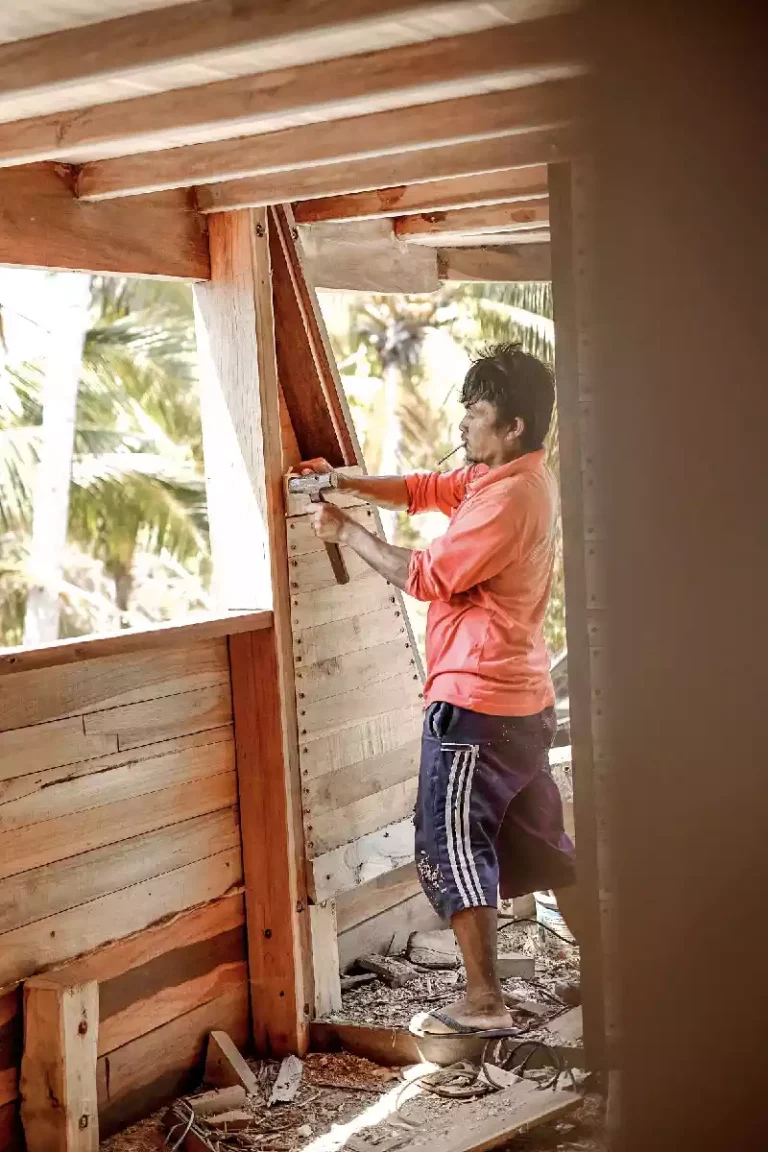
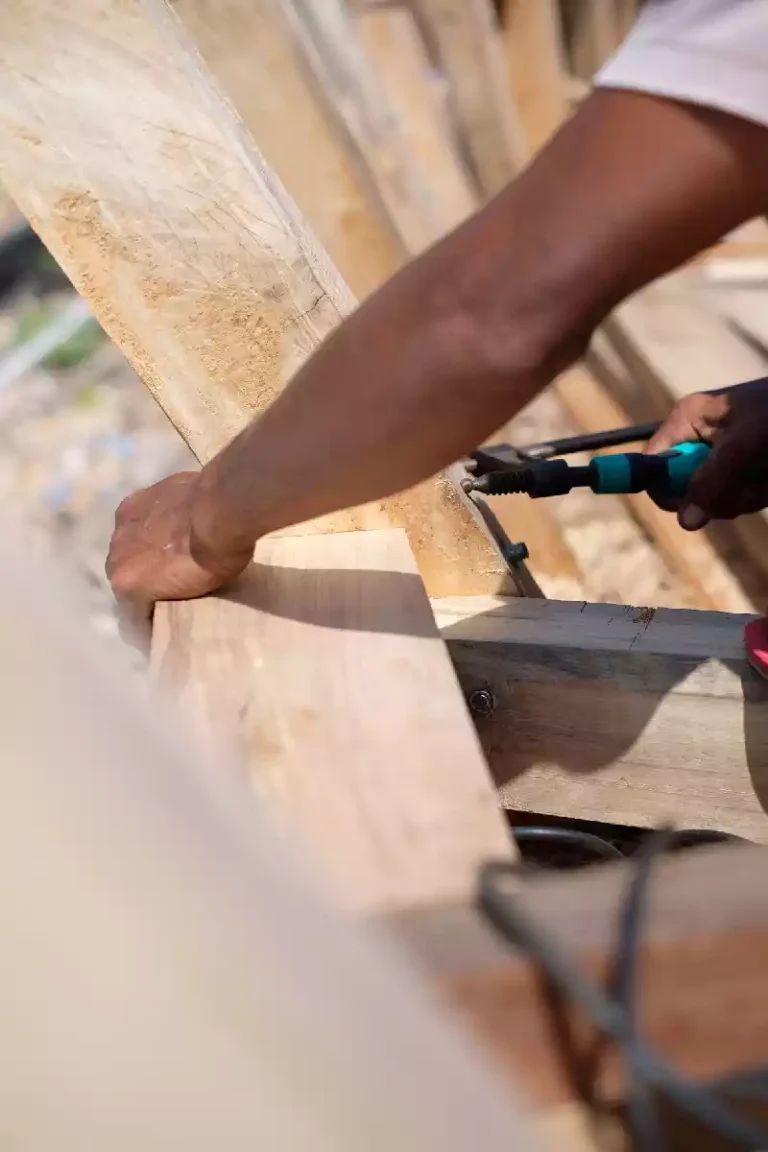
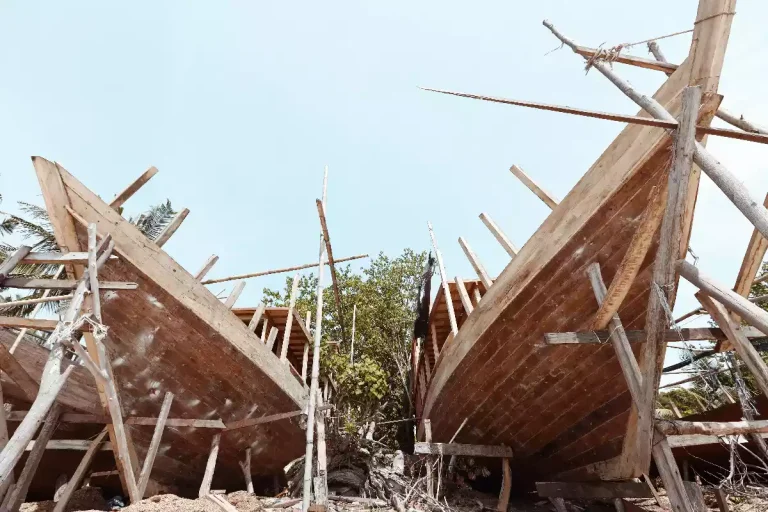
Construction begins with the laying of the keel, typically using ironwood (Ulin) or other dense tropical hardwoods known for durability. The hull is then constructed using plank-on-frame methods, where robust timber frames are erected and planks are meticulously fitted and fastened. Teak and ironwood are preferred for their resistance to rot and marine borers. The hull’s integrity relies on precise joinery and traditional caulking techniques, often involving cotton and pine tar or modern sealants.
Engine and Systems Installation
Once the hull is complete and watertight, the engine, propulsion system, and essential marine systems are installed. This includes generators, fuel tanks, water makers, navigation electronics, communication equipment, and safety systems. Modern phinisis are typically equipped with powerful diesel engines to supplement sail power, ensuring reliable operation in various conditions.
Interior Fit-Out and Finishing
The interior fit-out is a critical phase, transforming the bare hull into a habitable and luxurious space. This involves carpentry, insulation, electrical wiring, plumbing, and installation of bulkheads, flooring, and ceilings. High-quality timbers such as teak, merbau, and sonokeling are commonly used for interior finishes, complemented by custom furniture, soft furnishings, and decorative elements. The level of luxury and customisation in this phase significantly impacts the final cost and appeal of the vessel.
Rigging and Sails
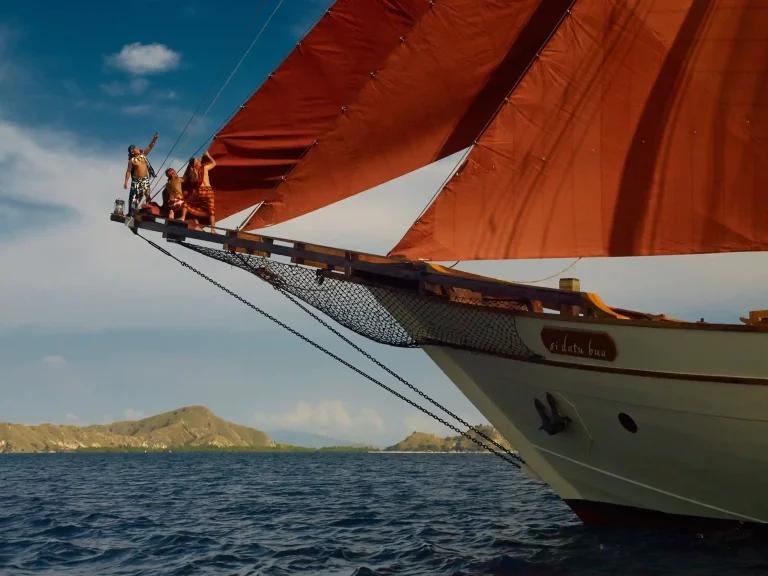
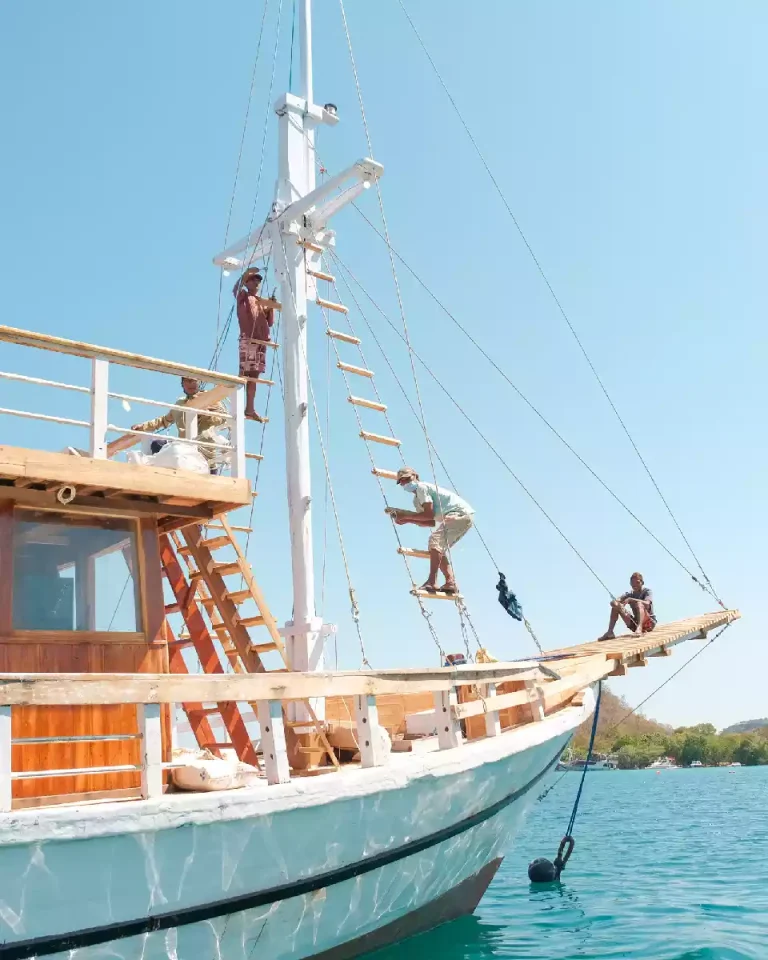
The distinctive phinisi rig, typically a ketch or schooner, is installed. This includes masts, booms, standing rigging (wires supporting the mast), and running rigging (ropes for sail operation). Sails, traditionally made from durable canvas, are now often crafted from modern synthetic fabrics for improved performance and longevity. The rigging process requires specialised skills to ensure structural integrity and efficient sail handling.
Sea Trials and Certification
Upon completion, the phinisi undergoes rigorous sea trials to test all systems, performance, and stability. Adjustments are made as necessary. Following successful trials, the vessel is subject to classification society surveys and obtains necessary certifications for seaworthiness and flag state registration. For commercial vessels, this includes compliance with international maritime regulations.
Materials and Craftsmanship
Indonesian phinisi builders utilise a range of tropical hardwoods, each selected for specific properties:
- Teak (Tectona grandis): Prized for its durability, resistance to rot, and aesthetic appeal. Used extensively for decking, interior joinery, and exposed exterior elements.
- Ironwood (Eusideroxylon zwageri): Extremely dense and durable, ideal for keels, frames, and structural components requiring high strength and resistance to marine borers.
- Merbau (Intsia bijuga): A hard, stable timber used for decking, flooring, and structural elements where strength and resistance to moisture are crucial.
- Sonokeling (Dalbergia latifolia): Also known as Indonesian rosewood, used for fine interior joinery, decorative panels, and furniture due to its rich colour and grain.
Craftsmanship remains a cornerstone of phinisi building. Skilled artisans, often from generations of shipwrights in South Sulawesi, employ traditional hand tools alongside modern machinery. This blend ensures the preservation of cultural heritage while achieving contemporary standards of quality and precision.
Key Building Regions and Fit-Out Hubs
The primary phinisi building region is South Sulawesi, particularly around the towns of Bira and Tanah Beru. These areas are home to generations of Buginese and Makassarese shipwrights known for their expertise.
| Region | Specialisation | Notes |
|---|---|---|
| South Sulawesi (Bira, Tanah Beru) | Hull construction, traditional craftsmanship | Primary shipbuilding centres, access to skilled labour and raw materials. |
| Bali | Luxury fit-out, interior design, systems integration, yacht management | Hub for high-end finishes, modern systems, and operational support. |
| Komodo & Raja Ampat | Operational bases, charter management, maintenance | Key tourism destinations driving demand for liveaboard phinisis. |
While the hulls are traditionally built in South Sulawesi, fit-out and operations hubs are concentrated in Bali, Komodo, and Raja Ampat. Bali, in particular, has developed into a centre for luxury interior fit-outs, systems integration, and yacht management, leveraging its established tourism and expatriate infrastructure. This regional specialisation allows builders to combine traditional hull construction with modern luxury finishes and operational efficiency.
2027 Note
By 2027, buyers should anticipate continued demand for sustainably sourced timbers. Shipyards increasingly offer certification for timber origin and adhere to responsible forestry practices, addressing growing environmental consciousness among luxury yacht buyers and charter operators. This trend influences material selection and supply chain transparency.
Conclusion
The Indonesian phinisi wooden yacht construction sector offers custom-built luxury vessels combining traditional craftsmanship with modern amenities. The market is experiencing consistent growth, driven by increasing demand in nautical tourism and a preference for unique, high-quality vessels. For importers, wholesalers, retailers, interior contractors, and trade buyers, understanding the construction process, material selection, and regional specialisations is crucial for successful engagement with this dynamic industry.
For further details or to discuss specific project requirements, request a wholesale quote on WhatsApp.
Continue reading: The 2027 Guide to Timber Selection for Sustainable Phinisi Construction · The 2027 Timeline Guide: From Keel Laying to Ocean Trials for Indonesian Phinisis · Products Catalog
Keep reading
More from the yard.
Construction & Engineering
Interior Fit-Out Sequencing on a Phinisi Build
Phinisi fit-out follows one law: nothing closes until what lives behind it is installed, tested and photographed. The working sequence…
Construction & Engineering
Phinisi Deck Hardware: Sourcing Winches and Fittings That Last
Phinisi deck hardware splits into load-bearing items — winches, windlass, cleats, chainplates, blocks — which must be load-rated and documented,…
Construction & Engineering
Tank Capacities on New Phinisi: Planning Water, Fuel and Waste
Size phinisi tanks from the itinerary, not the hull: budget roughly 200 litres of fresh water per person per day…
Construction & Engineering
Engine Selection for a New Phinisi: Power Bands That Fit the Hull
A displacement phinisi needs far less power than owners assume: roughly 150–250 hp serves a 25–30 m hull, 300–500 hp a 35–45 m vessel,…
Construction & Engineering
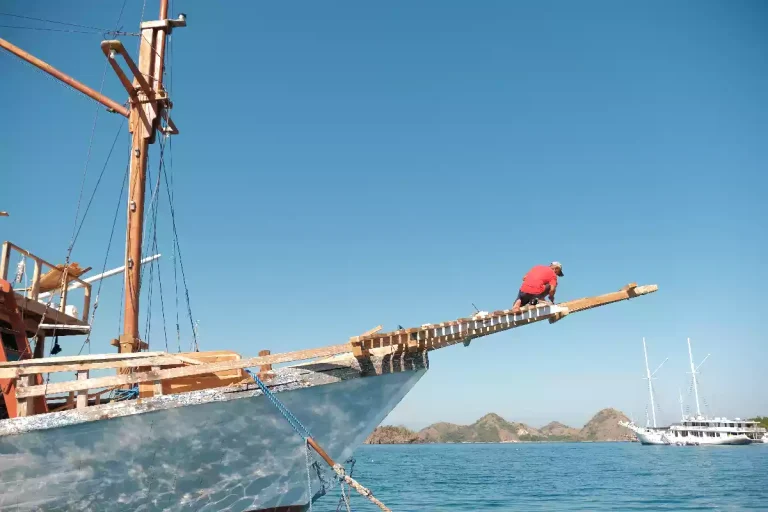
Masts and Rigging for New Phinisi: Makers, Materials, Loads
A new phinisi carries a gaff-ketch rig of two masts and typically seven sails. Spars are built either from laminated…
Construction & Engineering
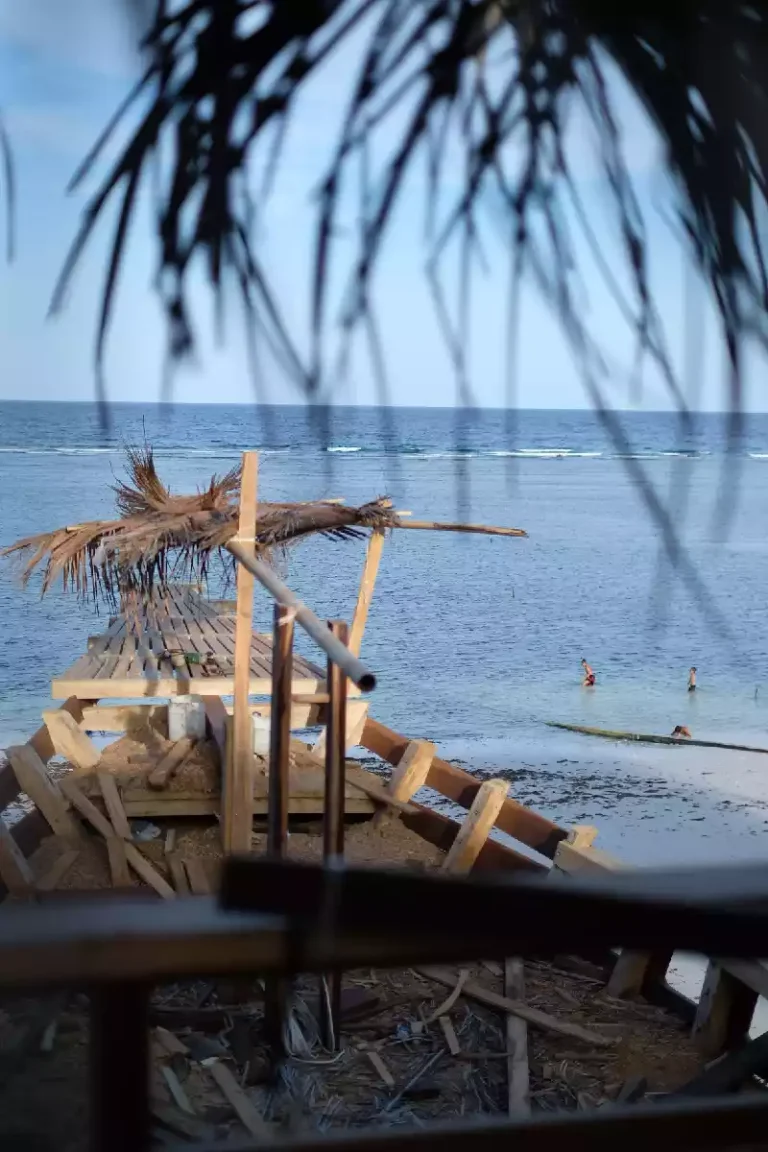
Fiberglass-Sheathed Phinisi Hulls: Hybrid Construction Explained
A fiberglass-sheathed phinisi is a traditionally planked wooden hull wrapped below and around the waterline in epoxy-set glass cloth. Done…
Construction & Engineering
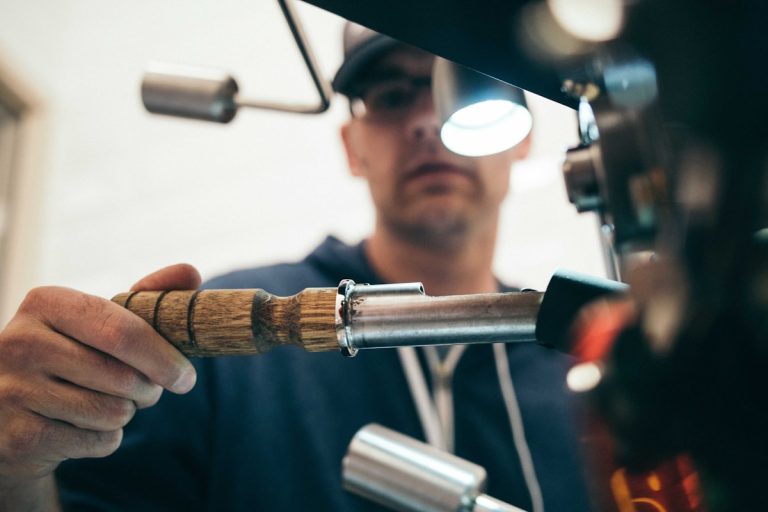
The Aluminium Phinisi Question: Feasibility Beyond Tradition
An aluminium phinisi is feasible as a naval-architecture exercise — a metal hull carrying phinisi lines and rig — but…
Construction & Engineering
How to Specify Your Custom Phinisi in 2027: Engine, Cabin, and Tech Options
Specifying a custom phinisi in 2027 requires understanding a dynamic market. Build prices typically range from US$0.4–10 million, centered on…