
Construction & Engineering
Masts and Rigging for New Phinisi: Makers, Materials, Loads
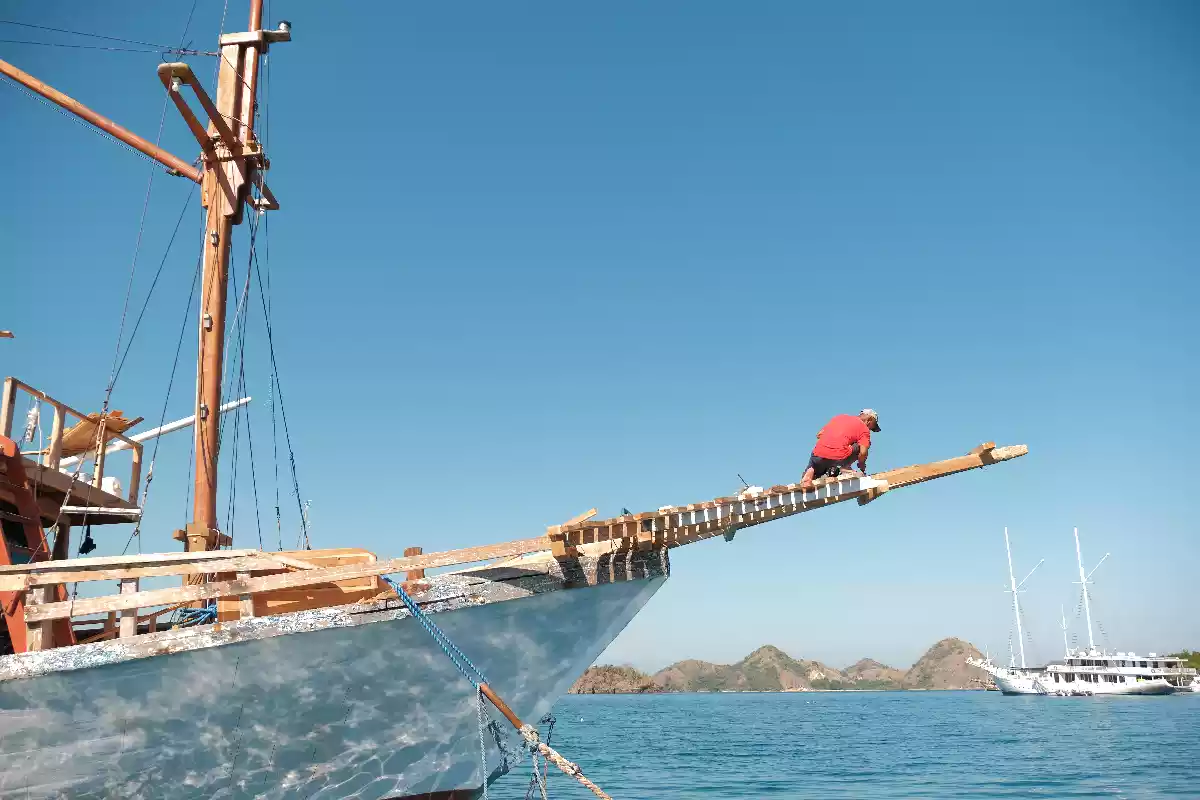
A new phinisi carries a gaff-ketch rig of two masts and typically seven sails. Spars are built either from laminated or solid timber by the yard’s own crew, or fabricated in steel by workshops in Surabaya and Batam; standing rigging is galvanised or stainless wire spec’d to calculated loads. The rig package usually lands between USD 40,000 and 120,000 depending on size, material and sail wardrobe.
The rig is the most public part of a phinisi and the part most often under-engineered, because tradition sized spars by eye for cargo schooners that motor-sailed conservatively. A modern charter phinisi is taller, carries guests who expect sailing days, and cannot afford a spar failure between Komodo anchorages. Here is how to get the rig specified, built and verified — one chapter of the wider scope on our hull, deck and interior builds page.
Timber Spars or Steel: the Real Trade
Traditional solid or laminated timber masts — often from selected straight-grain species — keep the vessel authentic, damp vibration nicely, and can be repaired anywhere in Indonesia. Their weaknesses are weight aloft, internal decay hidden at partners and fittings, and dependence on the yard’s spar-making skill. Steel tubular masts, fabricated to drawings in Surabaya, Batam or Jakarta workshops, are lighter for equal strength at these scantlings, take modern fittings cleanly, and pass class scrutiny with calculable margins; they cost more up front and read as modern up close. The charter fleet has moved substantially to steel for main structures while keeping timber for booms and gaffs — a hybrid worth considering if authenticity matters but downtime hurts. Weight aloft feeds directly into stability, which is verified later at sea trials.
Understanding the Loads on a Gaff Ketch
The phinisi rig spreads load across many smaller sails rather than few large ones — kind to crews, kind to spars. But three load points still deserve engineering attention: the mainmast partners where deck and mast meet, chainplate anchorages into frames (never planking alone), and the bowsprit gammoning taking headsail loads. Ask for a simple rig-load calculation — righting moment against wire sizes and fitting ratings — from a naval architect even on a traditional build; it costs little and converts “we always do it this way” into numbers. Wire: 7×19 galvanised with proper service lasts and is field-repairable; 1×19 stainless is cleaner and stiffer but demands correct terminals and inspection discipline in tropical heat.
Who Actually Makes Rig Components in Indonesia
Yard crews in Sulawesi and Kalimantan shape timber spars and traditional blocks to a high standard. Steel spars, tangs, chainplates and custom fittings come from metal workshops in Surabaya and Batam that serve the fishing and workboat fleets — capable, economical, but they build to the drawing you give them, so the drawing must exist. Wire, turnbuckles and shackles are imported through Jakarta and Singapore chandleries; genuine load-rated hardware is worth the premium over bazaar copies, a distinction we expand in our deck hardware sourcing guide. Sails are cut by lofts in Bali and Java experienced with gaff wardrobes, or imported from regional lofts for owners wanting laminate cloths.
Specification and Acceptance Points
Put five items in the contract annex: spar material and (for timber) species, grain and moisture standards; the rig-load calculation reference; wire specification with terminal types; a fittings schedule naming load-rated brands or test certificates; and an acceptance test — rig tensioned, sighted straight, and sailed on all points during trials. Photograph chainplate anchorages before ceiling closes them in. These are ten inexpensive decisions during the build and five expensive ones after launch, which is the pattern across every system on the boat, as our design-to-delivery guide keeps repeating.
Frequently Asked Questions
How many sails does a full phinisi wardrobe include?
The classic ketch wardrobe runs seven: three headsails on the bowsprit, main and mizzen gaff sails, and topsails above each. Charter operators often sail a reduced working set — headsails plus main — and keep topsails for photogenic light-air days.
Can a phinisi actually sail without engines?
A well-rigged phinisi sails respectably on reaches and downwind, though the hull form tacks slowly and makes leeway upwind. Most commercial itineraries motor-sail to hold schedules. If genuine sailing performance matters to you, say so at design stage — ballast, rig height and sail area can all be tuned for it.
What maintenance does a timber mast need in the tropics?
Annual inspection at partners, spreaders and every fitting where water can enter end grain; coatings renewed before they fail, not after. Internal decay announces itself late, so many owners drill inspection points or fit ventilated mast coats. A neglected timber spar can lose most of its section while looking painted and fine.
Is a steel mast on a wooden phinisi structurally awkward?
No — loads still enter the hull through properly engineered partners and step. The interface needs isolation detailing against corrosion and chafe, and the step must spread point loads into floors. Hundreds of vessels in the fleet run this combination successfully.
Should running rigging be traditional rope or modern cordage?
Most operators run modern polyester braid on winch-handled lines for stretch control and longevity, keeping three-strand traditional lay where guests see and hands touch — halyard falls, lashings, ratlines. The hybrid preserves the vessel’s look while sparing crews the constant re-tensioning traditional fibre demands in equatorial sun and rain.
We can connect you with riggers, spar workshops and naval architects who know the gaff-ketch rig at these scales. Request an introduction, WhatsApp +62 811 3941 4563, or email [email protected].
Keep reading
More from the yard.
Construction & Engineering
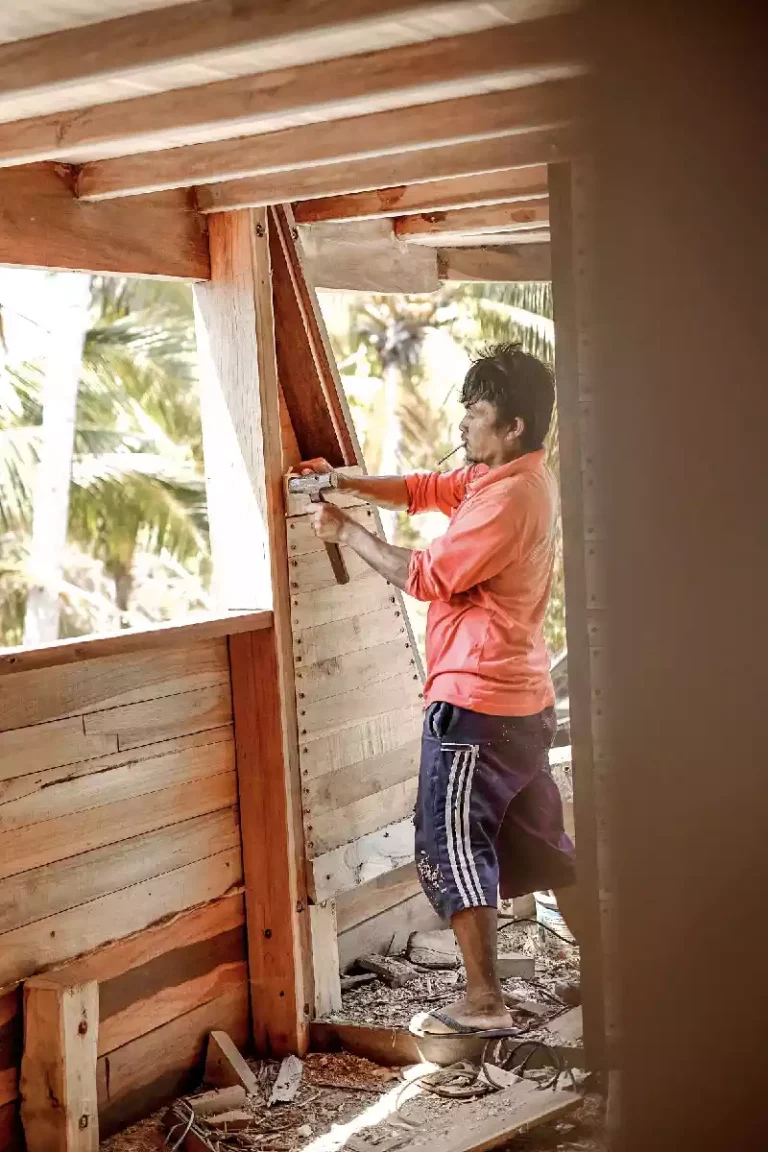
Interior Fit-Out Sequencing on a Phinisi Build
Phinisi fit-out follows one law: nothing closes until what lives behind it is installed, tested and photographed. The working sequence…

Construction & Engineering
Phinisi Deck Hardware: Sourcing Winches and Fittings That Last
Phinisi deck hardware splits into load-bearing items — winches, windlass, cleats, chainplates, blocks — which must be load-rated and documented,…
Construction & Engineering
Tank Capacities on New Phinisi: Planning Water, Fuel and Waste
Size phinisi tanks from the itinerary, not the hull: budget roughly 200 litres of fresh water per person per day…
Construction & Engineering
Engine Selection for a New Phinisi: Power Bands That Fit the Hull
A displacement phinisi needs far less power than owners assume: roughly 150–250 hp serves a 25–30 m hull, 300–500 hp a 35–45 m vessel,…

Construction & Engineering
Fiberglass-Sheathed Phinisi Hulls: Hybrid Construction Explained
A fiberglass-sheathed phinisi is a traditionally planked wooden hull wrapped below and around the waterline in epoxy-set glass cloth. Done…

Construction & Engineering
The Aluminium Phinisi Question: Feasibility Beyond Tradition
An aluminium phinisi is feasible as a naval-architecture exercise — a metal hull carrying phinisi lines and rig — but…
Construction & Engineering
How to Specify Your Custom Phinisi in 2027: Engine, Cabin, and Tech Options
Specifying a custom phinisi in 2027 requires understanding a dynamic market. Build prices typically range from US$0.4–10 million, centered on…

Construction & Engineering
Phinisi Interior Design Trends: What’s New for Indonesian Luxury Yachts
The phinisi-building niche in Indonesia is a rapidly expanding luxury and tourism segment within the broader marine vessel market. Build…