
Buyer Guides
The Ultimate 2027 Checklist for Commissioning Your First Custom Phinisi in Indonesia
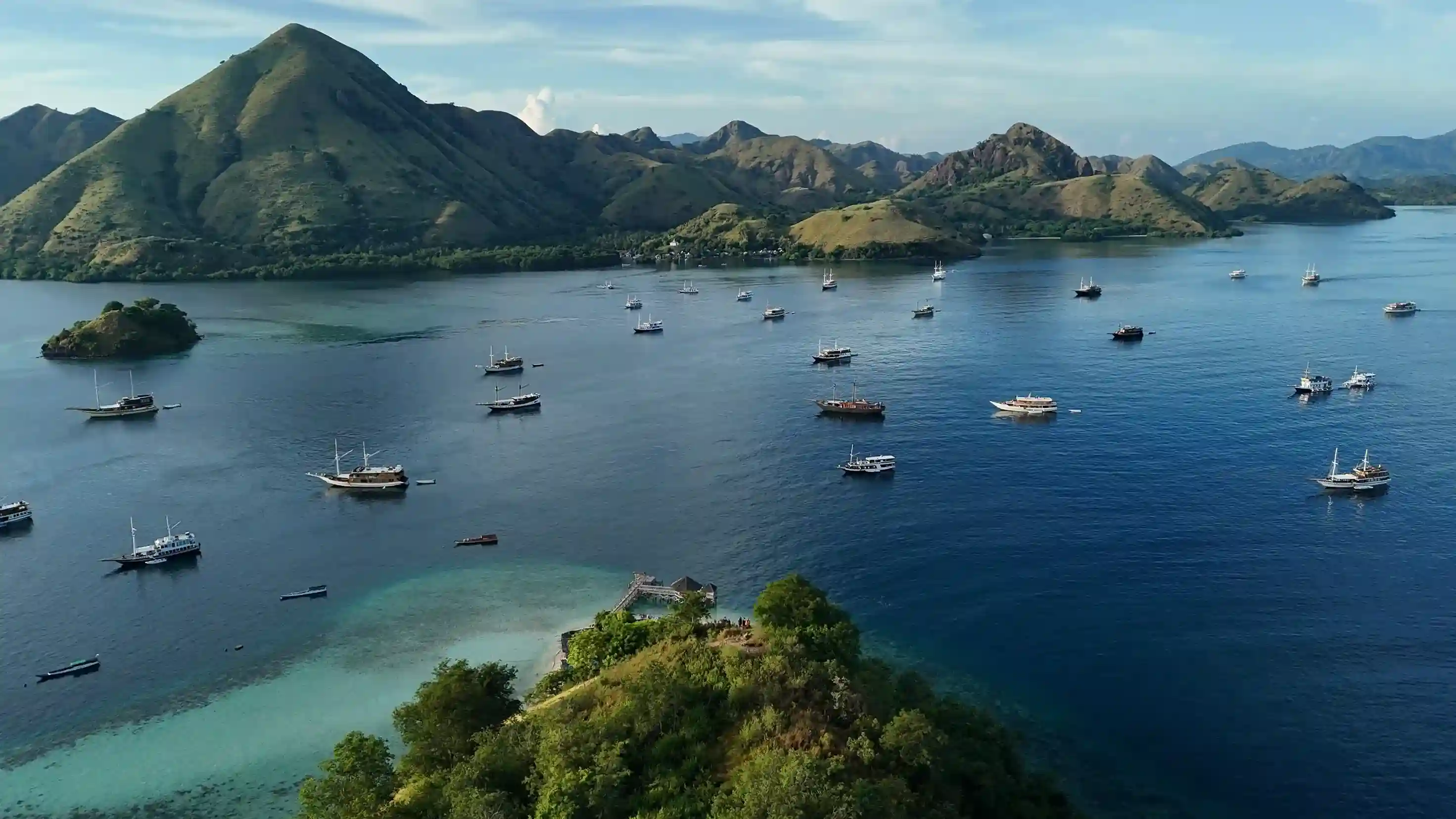
Commissioning a custom phinisi in Indonesia requires detailed planning. With the marine vessel market projected to grow at 9.63% in 2027, and construction expanding at 5.8% annually through 2029, demand for luxury phinisis is increasing. This checklist provides a structured approach for your 2027 build.
1. Understanding the Market Landscape for 2027
The Indonesian marine vessel market is experiencing significant growth. Forecasts indicate a 9.63% growth rate by 2027, within a broader CAGR of 5.8% from 2026–2032. This expansion is supported by a robust construction industry, projected to grow at 5.8% annually from 2026 to 2029. While specific phinisi market statistics are integrated within these larger segments, observations from industry publications such as Yacht Style confirm an increasing number of ultra-luxurious Sulawesi sailing vessels under construction, often with multiple projects concurrently at individual shipyards. Riara Marine notes the market’s evolution from functional coastal craft to global luxury demand, particularly for tourism in Komodo and Raja Ampat, and for overseas buyers.
This indicates a high-single-digit annual growth rate for phinisi order books in 2026–2027, consistent with rising luxury charter demand in Indonesia’s closed registry market and increased shipyard activity.
2027 Note: Market Dynamics
By 2027, the demand for phinisis is expected to be sustained by continued growth in Indonesia’s nautical tourism sector, particularly around established hubs like Komodo and Raja Ampat. Buyers should anticipate competitive shipyard schedules due to this demand.
2. Defining Your Phinisi Project
Before engaging a shipyard, clearly define the vessel’s purpose and specifications.
- Purpose: Determine if the phinisi will be for private use, luxury charter (liveaboard), a specific tourism operation, or a combination. This influences design, layout, and regulatory compliance.
- Size and Capacity: Phinisis typically range from 20 to 50+ metres LOA. Consider the number of cabins, crew requirements, and guest capacity.
- Budget Range: Custom phinisi builds typically cost between US$0.4 million and US$10 million, depending on size, materials, and luxury fit-out. Establish a realistic budget, including contingencies for unforeseen expenses.
- Design and Aesthetics: Research traditional phinisi lines and modern interpretations. Consider interior design preferences, material choices, and onboard amenities.
3. Selecting a Shipyard and Design Partner
The majority of phinisi construction is concentrated in South Sulawesi, particularly in the Bira and Ara regions. Fit-out and operational support hubs are found in Bali, Komodo, and Raja Ampat.
Key Considerations for Selection:
- Experience and Portfolio: Review the shipyard’s track record, focusing on their previous phinisi projects. Request references from previous clients.
- Technical Capabilities: Assess their engineering and construction expertise. Ensure they can meet your technical specifications for hull construction, propulsion, and systems integration.
- Design Collaboration: Many shipyards work with in-house designers or collaborate with external naval architects. Confirm the design process and your involvement.
- Contract and Payment Terms: Understand the payment schedule, milestone payments, and any performance guarantees. Contracts should detail specifications, timelines, and dispute resolution mechanisms.
4. Design and Specification Phase
This phase is critical for translating your vision into detailed plans.
- Naval Architecture: Engage a naval architect to develop comprehensive drawings, including hull lines, general arrangement, and structural plans.
- Interior Design: Work with an interior designer to specify layouts, materials, furniture, and finishes for all guest and crew areas. Phinisi Builder Indonesia specialises in custom furniture and handicraft for these interiors.
- Systems and Equipment: Detail all essential systems: propulsion, generators, navigation, communication, HVAC, water treatment, and safety equipment.
- Regulatory Compliance: Ensure all designs comply with Indonesian maritime regulations and any international standards applicable if planning international operations.
5. Construction and Monitoring
The construction process can take between 18 to 36 months, depending on the vessel’s size and complexity.
Stages of Construction:
- Keel Laying and Hull Construction: The traditional timber hull is built, often from ironwood or teak.
- Deck and Superstructure: Installation of decks, cabins, and other structures.
- Engine and Systems Installation: Fitting of main engines, generators, and other mechanical and electrical systems.
- Interior Fit-out: Installation of insulation, panelling, furniture, and decorative elements. This is where high-quality custom furniture and handicrafts are integrated.
- Masting and Rigging: Erection of masts and installation of sails and rigging.
- Painting and Finishing: Final exterior and interior finishes.
Monitoring Progress:
Regular site visits are essential. Consider appointing an independent surveyor or project manager to oversee construction quality and adherence to specifications.
6. Sea Trials and Delivery
Before final delivery, the phinisi undergoes rigorous testing.
- Sea Trials: Verify performance of propulsion, steering, navigation, and other critical systems under operational conditions.
- Final Inspections: Conduct a thorough inspection of all systems, finishes, and safety equipment. Address any deficiencies.
- Documentation: Receive all necessary documentation, including vessel registration, certificates, manuals, and warranties.
- Crew Training: Ensure your crew is fully trained on the operation and maintenance of all onboard systems.
7. Post-Delivery and Operational Planning
After delivery, consider the operational aspects.
- Maintenance: Establish a maintenance schedule and procure necessary spare parts.
- Insurance: Secure comprehensive marine insurance for hull, machinery, and liability.
- Crewing: Recruit and train a professional crew.
- Operational Base: Consider operational hubs in Bali, Komodo, or Raja Ampat for convenient provisioning and guest embarkation.
Commissioning a custom phinisi is a significant investment requiring meticulous planning and execution. By following this checklist, buyers can navigate the process effectively, ensuring a successful build that meets their specific requirements.
| Category | Price Range (US$) | Notes |
|---|---|---|
| New Build (Custom) | 0.4 million – 10 million | Varies significantly by size, materials, and luxury level. |
| Charter (Daily) | 1,500 – 15,000 | Dependent on vessel size, luxury, season, and location (e.g., Komodo, Raja Ampat). |
| Charter (Weekly) | 10,000 – 100,000 | Common for luxury liveaboard experiences. |
| Average Build Time | 18 – 36 months | From keel laying to delivery. |
8. Financing and Legal Framework for 2027 Commissions
Commissioning a custom phinisi in Indonesia requires a clear understanding of financing mechanisms and the relevant legal framework. Build prices range from US$0.4 million to US$10 million, influenced by size, materials, and customisation. For trade buyers, a structured payment schedule is standard, typically involving an initial deposit, stage payments tied to construction milestones, and a final payment upon delivery. We advise engaging with Indonesian legal counsel specialising in maritime law and international contracts to review all agreements.
Indonesia’s legal landscape for marine vessel construction primarily operates under its national maritime regulations. Foreign ownership and registration for commercial operations within Indonesian waters are subject to specific conditions, often requiring a local partner or a specific company structure. For phinisi intended for international waters, compliance with flag state requirements beyond Indonesia is also necessary. Early consultation with legal and financial advisors is critical to ensure compliance and mitigate risks for your 2027 commission.
- Initial deposit: 10-20%
- Stage payments (hull, superstructure, fit-out): 60-70%
- Final payment (sea trials, delivery): 10-20%
9. Post-Construction Logistics and Operational Hubs
Once your custom phinisi is delivered, planning for its operational base and ongoing logistics is essential. While the primary construction is centred in South Sulawesi shipyards, the fit-out and operational hubs are typically located in Bali, Komodo, and Raja Ampat. These locations offer established infrastructure for luxury marine vessels, including berthing facilities, maintenance services, and access to skilled crew. The choice of operational hub depends on the intended use of the phinisi, whether for private use, charter, or a combination.
For trade buyers intending to operate phinisis for tourism, these hubs provide strategic advantages due to their proximity to prime cruising grounds and established tourism supply chains. Bali offers comprehensive logistical support and a wide range of services for interior outfitting and provisioning. Komodo and Raja Ampat are ideal for liveaboard operations, with infrastructure focused on supporting dive and expedition charters. Long-term maintenance contracts and spare parts logistics should be established with local providers at your chosen operational hub.
| Operational Hub | Primary Advantages | Typical Use Cases |
|---|---|---|
| Bali | Extensive services, outfitting, international access | Private yachts, luxury charters, refits |
| Komodo | Proximity to cruising grounds, dive support | Liveaboards, expedition charters |
| Raja Ampat | Remote area support, expedition logistics | Exploration vessels, eco-tourism charters |
Phinisi Builder Indonesia provides custom furniture and handicraft solutions for luxury phinisi interiors. For detailed information or to discuss your specific interior fit-out needs, request a wholesale quote on WhatsApp.
Continue reading: How to Specify Your Custom Phinisi in 2027: Engine, Cabin, and Tech Options · Market Trends: Why Charter Demand is Boosting Phinisi Builds in Indonesia · Faq
Keep reading
More from the yard.
Buyer Guides
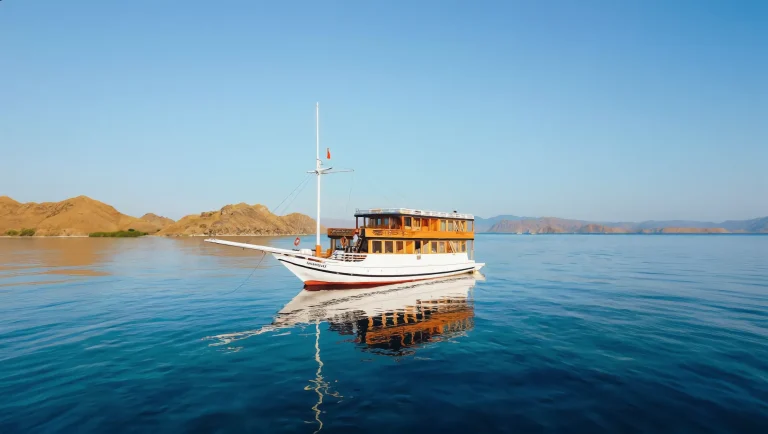
How to Build a Phinisi in Indonesia: The Ultimate 2027 Buyer’s Guide
Phinisi construction in Indonesia represents a distinct luxury and tourism segment within the marine vessel market, with build prices typically…
Buyer Guides
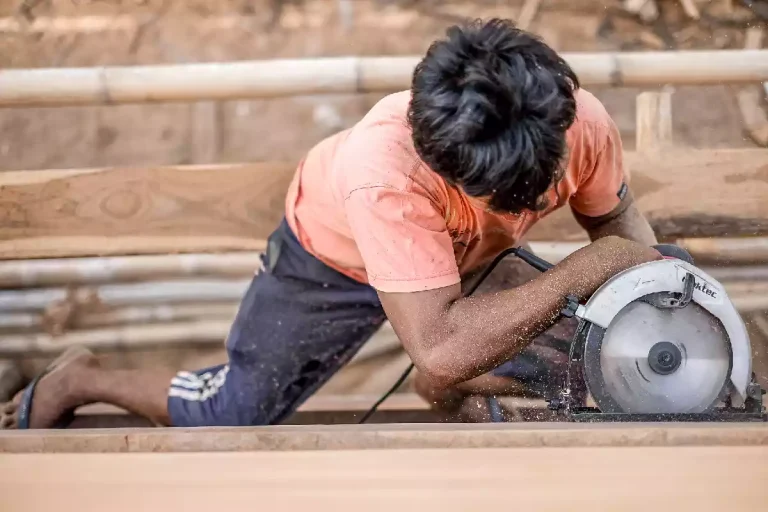
How to Choose the Right Phinisi Builder in Indonesia: A 2027 Step-by-Step Guide
Choosing the right phinisi builder in Indonesia demands careful consideration of a specialised market. This guide outlines a step-by-step process…
Buyer Guides
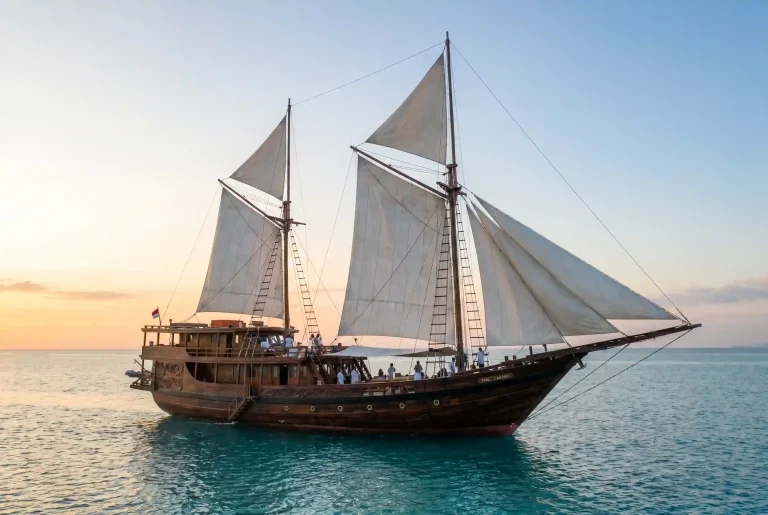
How to Order a Phinisi Yacht in Indonesia: A 2027 Step-by-Step Commissioning Guide
Commissioning a phinisi yacht in Indonesia involves a structured process, from initial design to final delivery. This guide details the…
Buyer Guides
Market Trends: Why Charter Demand is Boosting Phinisi Builds in Indonesia
Phinisi shipbuilding in Indonesia is a specialised luxury segment experiencing growth due to increasing demand for charter services. Build prices…
Buyer Guides
Phinisi Boat Building Services in Indonesia: Choosing Your 2027 Project Partner
Indonesia’s phinisi-building sector is a specialised luxury and tourism segment experiencing rapid growth. Build prices typically range from US$0.4 to…
Buyer Guides
Phinisi Builder Indonesia Certification: How to Verify Excellence in 2027
Phinisi Builder Indonesia provides clarity on verifying excellence in phinisi construction for 2027. This guide addresses the lack of official…
Buyer Guides
Phinisi Buying Mistakes: What to Avoid When Commissioning in Indonesia
Commissioning a phinisi yacht in Indonesia requires careful consideration to avoid common pitfalls. Build prices typically range from US$0.4–10 million,…
Buyer Guides
Phinisi Custom Yacht Build Indonesia: Essential Considerations for 2027 Buyers
Phinisi custom yacht builds in Indonesia represent a growing luxury tourism segment, with typical build prices ranging from US$0.4–10 million.…