
Buyer Guides
Phinisi Custom Yacht Build Indonesia: Essential Considerations for 2027 Buyers
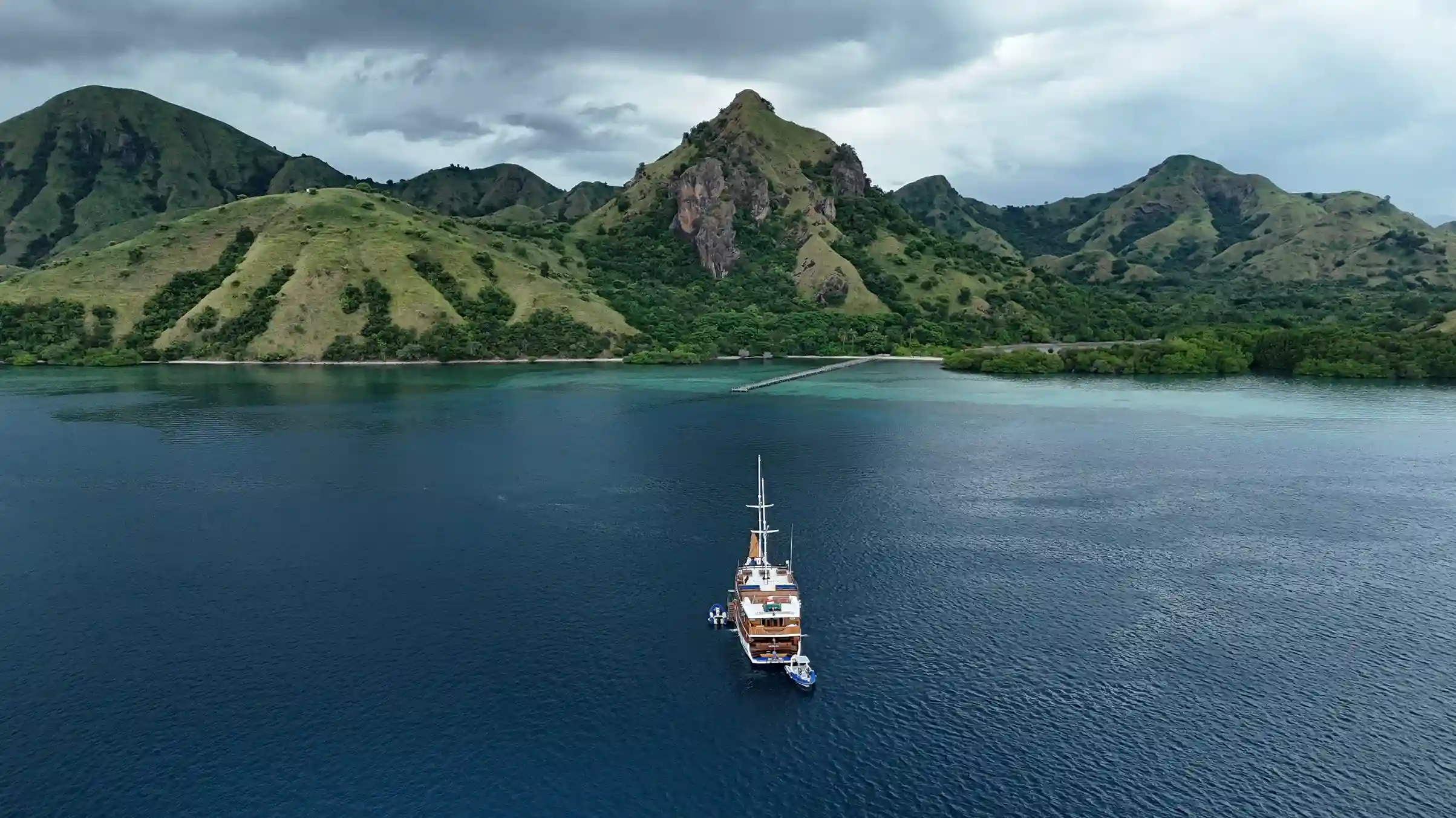
Phinisi custom yacht builds in Indonesia represent a growing luxury tourism segment, with typical build prices ranging from US$0.4–10 million. Centered on South Sulawesi shipyards, fit-out and operational hubs are predominantly in Bali, Komodo, and Raja Ampat, catering to a discerning international market.
As Master Phinisi Shipwright and Senior Content Lead for Phinisi Builder Indonesia, I offer insights into essential considerations for buyers contemplating a phinisi custom yacht build in Indonesia for 2027. This briefing addresses market dynamics, typical pricing, build locations, and the intricacies of the construction process.
Market Size and Growth for 2026–2027
The phinisi-building niche, while small, is a fast-growing luxury and tourism segment within the broader marine vessel market. There are no standalone market statistics specifically for phinisi builders; demand is framed by the wider Indonesian marine vessel and nautical tourism sectors.
Indonesian Marine Vessel Market Projections
- The Indonesia Marine Vessel Market is projected to grow at a Compound Annual Growth Rate (CAGR) of 5.8% from 2026–2032.
- By 2027, Indonesia’s marine vessel market is forecast to achieve a growth rate of 9.63%.
- Indonesia’s construction industry, which includes shipyards, is expected to expand at an average annual rate of 5.8% from 2026 to 2029, supported by large-scale infrastructure and energy projects.
Phinisi Market Evolution
Within these broader figures, phinisis occupy a high-value, low-volume luxury and tourism niche. Yacht Style reports that more ultra-luxurious Sulawesi sailing vessels are being built than ever before, with individual shipyards often managing multiple phinisis concurrently for the Southeast Asia charter market.
Riara Marine notes the phinisi market has evolved dramatically, shifting from functional coastal use to global luxury demand. This is particularly evident for tourism and liveaboard operations in Komodo and Raja Ampat, and for overseas buyers in regions such as the Maldives and Mediterranean.
Considering the projected vessel market growth of approximately 6–10% annually, rising luxury charter demand within Indonesia’s closed registry market, and multiple yards now constructing several units in parallel, a high-single-digit annual growth rate for phinisi order books in 2026–2027 is consistent with available evidence. Precise unit volumes are not published.
Typical Price Ranges for Build and Charter
Phinisi Build Costs
The cost of a custom phinisi build in Indonesia varies significantly based on size, materials, propulsion systems, interior fit-out, and luxury specifications. Buyers should anticipate build prices typically ranging from US$0.4 million to US$10 million per boat. This range accommodates vessels from smaller, well-appointed charter boats to expansive, bespoke luxury yachts.
2027 Note: As demand continues to strengthen and material costs fluctuate, buyers for 2027 should factor in potential upward adjustments to the higher end of this range, particularly for highly customised, large-scale projects requiring advanced marine technology and premium finishes.
Phinisi Charter Rates
While Phinisi Builder Indonesia focuses on B2B wholesale furniture and handicraft export, understanding charter rates provides context for return on investment for those considering a phinisi for commercial operations. Charter rates are indicative of the vessel’s market value and operational appeal.
| Vessel Type/Size | Typical Daily Charter Rate (Approximate) | Notes |
|---|---|---|
| Mid-size (30-40m) | US$2,000 – US$5,000 | Comfortable, well-appointed for groups |
| Luxury (40-50m+) | US$5,000 – US$15,000+ | High-end amenities, bespoke service, often all-inclusive |
| Expedition/Diving | US$3,000 – US$8,000 | Equipped for specific activities, often with dive masters |
These rates are subject to seasonal variations, itinerary, duration, and the level of service and amenities provided. Longer charters or specific high-demand periods (e.g., peak holiday seasons in Komodo or Raja Ampat) can command higher rates.
Key Build Locations and Operational Hubs
Primary Shipyards: South Sulawesi
The heart of phinisi construction remains in South Sulawesi, particularly around the Bira region. Here, traditional shipbuilding knowledge, passed down through generations, combines with modern engineering practices. These shipyards are unique for their ability to construct large wooden vessels using time-honoured techniques, often in open-air facilities, allowing for a blend of traditional craftsmanship and contemporary design integration.
Fit-out and Operations Hubs
While the primary hull construction occurs in South Sulawesi, the final fit-out, interior finishing, and subsequent operational bases are typically established in more accessible tourism hubs:
- Bali: A major international , Bali serves as a convenient location for interior outfitting, installation of modern systems, and a base for crew and logistics. Its established marine infrastructure supports maintenance and provisioning.
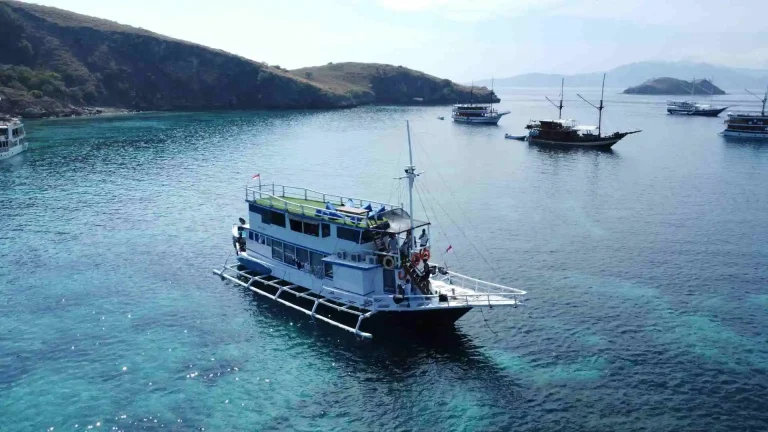
- Komodo: As a prime destination for liveaboard and dive tourism, Komodo is a strategic operational hub. Vessels built for this region often complete their final preparations here to minimise transit and maximise operational time.
- Raja Ampat: Similar to Komodo, Raja Ampat is a world-renowned marine tourism destination. Vessels intended for this area often use local facilities for final checks and crew mobilisation before commencing charters.
The strategic separation of hull construction from final fit-out and operational basing allows builders to leverage specific regional strengths: the traditional craftsmanship of South Sulawesi and the logistical advantages and established marine services of Bali, Komodo, and Raja Ampat.
Construction Process and Timeline
Design and Planning
The process begins with detailed design and naval architecture. This phase involves close collaboration between the buyer, naval architects, and the shipyard to finalise the vessel’s specifications, layout, propulsion, and interior design. This can take several months, depending on the complexity and customisation required.
Hull Construction
Once designs are approved, hull construction commences in South Sulawesi. This labour-intensive phase involves selecting high-quality timber, shaping the keel, ribs, and planking. Traditional methods are often employed, ensuring the vessel’s structural integrity and aesthetic authenticity. This stage can take 12 to 24 months, depending on the vessel’s size and the shipyard’s capacity.
Systems Installation and Fit-out
After the hull is launched, the vessel typically moves to a fit-out hub like Bali for the installation of engines, generators, navigation electronics, plumbing, electrical systems, and interior joinery. This is where the customisation truly comes to life, with bespoke furniture, luxurious finishes, and advanced amenities being integrated. This phase can take an additional 6 to 18 months.
Sea Trials and Certification
Before delivery, the phinisi undergoes rigorous sea trials to ensure all systems function correctly and the vessel meets performance and safety standards. Certification by relevant maritime authorities is also completed during this period. This final stage can take 1 to 3 months.
Overall Timeline
From initial design to final delivery, a custom phinisi build can take anywhere from 18 months to 3 years. Buyers should plan accordingly, allowing ample time for each stage to ensure quality and precision.
Choosing a Builder and Managing the Project
Selecting a Reputable Shipyard
Due diligence is crucial when selecting a phinisi builder. Buyers should evaluate a shipyard’s track record, inspect previous builds, and assess their expertise in naval architecture, engineering, and interior design. References from previous clients are invaluable.
Project Management and Oversight
Effective project management is essential. Consider appointing an independent project manager or a survey firm to oversee the build process. Regular site visits, detailed progress reports, and clear communication channels with the shipyard are fundamental to ensuring the project stays on schedule and within budget, meeting specified quality standards.
Legal and Regulatory Compliance
Buyers must navigate Indonesian maritime regulations, flag state requirements, and international safety standards. Securing appropriate permits, licenses, and certifications throughout the build and for subsequent operation is a complex but necessary aspect of the process. Expert legal counsel specialising in maritime law in Indonesia is advisable.
Phinisi Builder Indonesia supplies wholesale furniture and handicrafts to the marine industry, including custom phinisi projects. For trade buyers, importers, wholesalers, and interior contractors requiring high-quality Indonesian timber furniture and artisan products for phinisi fit-outs, request a wholesale quote on WhatsApp.
Continue reading: Phinisi Cost Breakdown: Pricing Factors for Custom Yachts in Indonesia · Phinisi Interior Design Trends: What’s New for Indonesian Luxury Yachts · Packaging Container Loading
Keep reading
More from the yard.
Buyer Guides
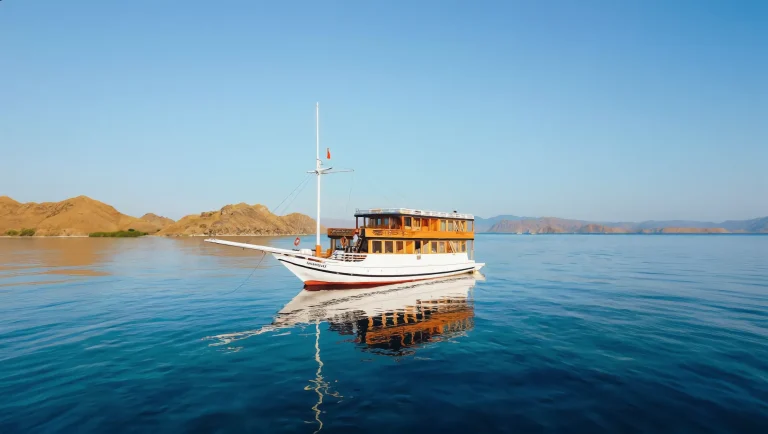
How to Build a Phinisi in Indonesia: The Ultimate 2027 Buyer’s Guide
Phinisi construction in Indonesia represents a distinct luxury and tourism segment within the marine vessel market, with build prices typically…
Buyer Guides
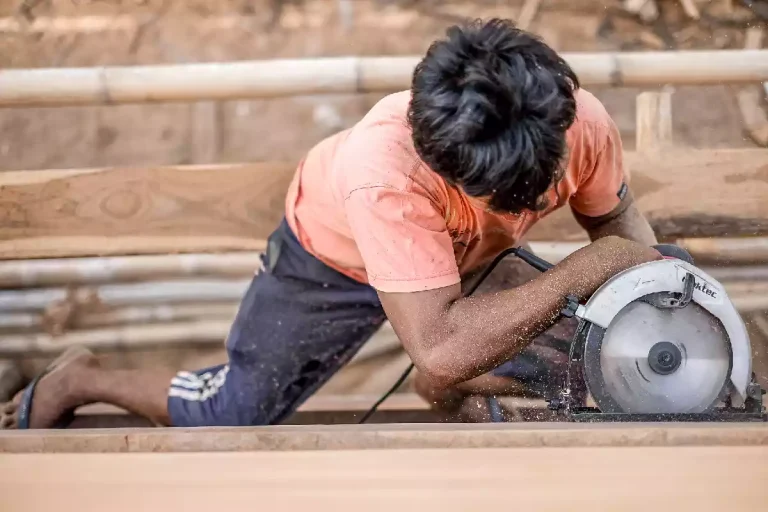
How to Choose the Right Phinisi Builder in Indonesia: A 2027 Step-by-Step Guide
Choosing the right phinisi builder in Indonesia demands careful consideration of a specialised market. This guide outlines a step-by-step process…
Buyer Guides
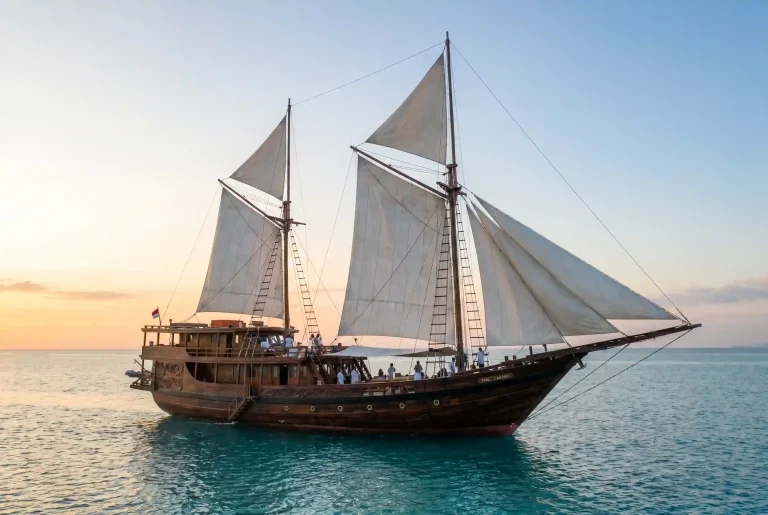
How to Order a Phinisi Yacht in Indonesia: A 2027 Step-by-Step Commissioning Guide
Commissioning a phinisi yacht in Indonesia involves a structured process, from initial design to final delivery. This guide details the…
Buyer Guides
Market Trends: Why Charter Demand is Boosting Phinisi Builds in Indonesia
Phinisi shipbuilding in Indonesia is a specialised luxury segment experiencing growth due to increasing demand for charter services. Build prices…
Buyer Guides
Phinisi Boat Building Services in Indonesia: Choosing Your 2027 Project Partner
Indonesia’s phinisi-building sector is a specialised luxury and tourism segment experiencing rapid growth. Build prices typically range from US$0.4 to…
Buyer Guides
Phinisi Builder Indonesia Certification: How to Verify Excellence in 2027
Phinisi Builder Indonesia provides clarity on verifying excellence in phinisi construction for 2027. This guide addresses the lack of official…
Buyer Guides
Phinisi Buying Mistakes: What to Avoid When Commissioning in Indonesia
Commissioning a phinisi yacht in Indonesia requires careful consideration to avoid common pitfalls. Build prices typically range from US$0.4–10 million,…
Buyer Guides
Phinisi Liveaboard Builder Indonesia: Trends and Tips for 2027 Custom Projects
Indonesia's phinisi-building sector is a growing luxury and tourism niche within the marine vessel market, with build prices typically ranging…