
Construction & Engineering
Phinisi Deck Hardware: Sourcing Winches and Fittings That Last
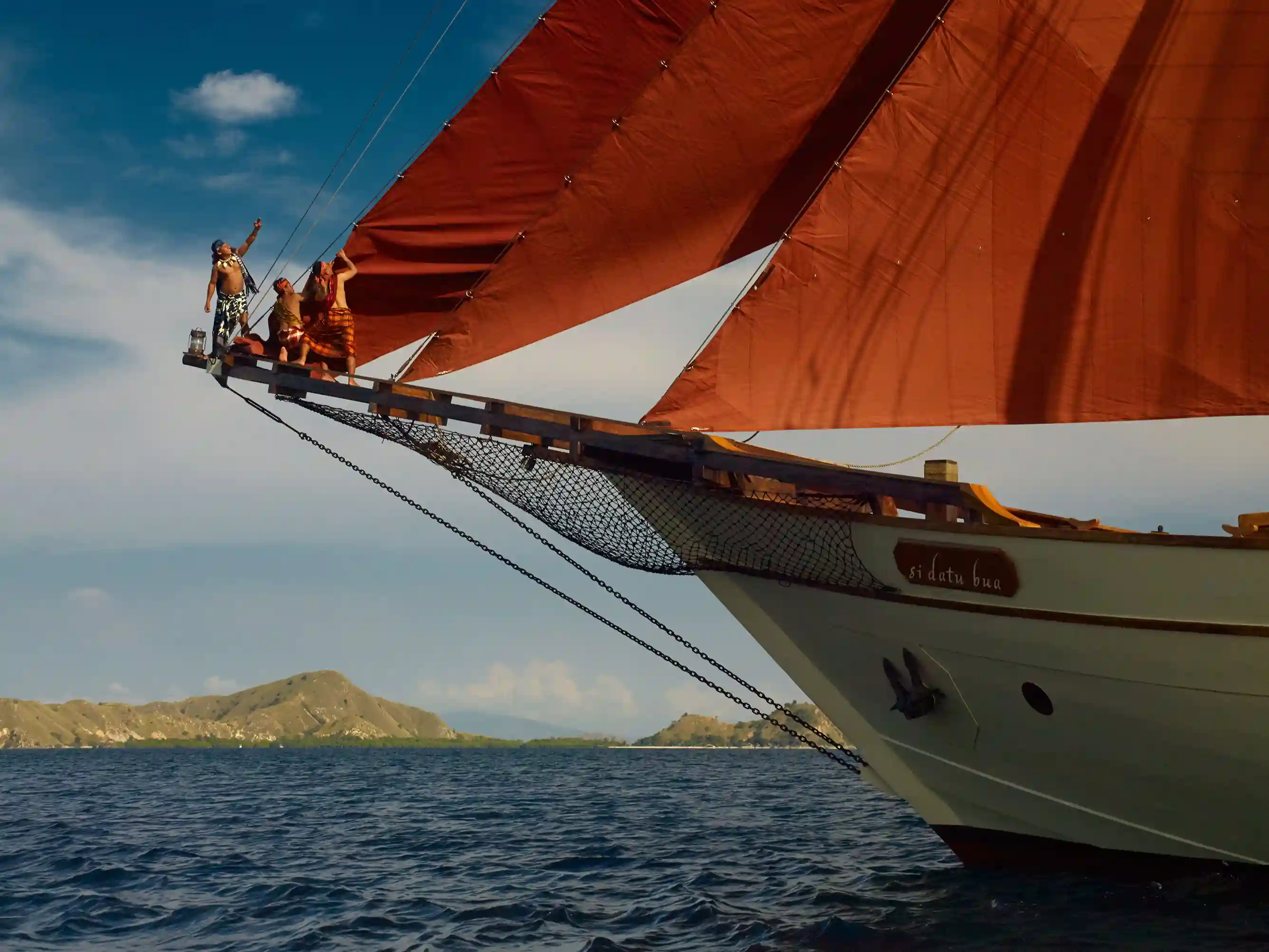
Phinisi deck hardware splits into load-bearing items — winches, windlass, cleats, chainplates, blocks — which must be load-rated and documented, and finish items where traditional bronze and timber keep the vessel’s character. Buy the first category from marine channels with test certificates; have the second made well locally. The mixed approach costs a 35 m build roughly USD 30,000–80,000 and decides how the deck ages for decades.
Hardware is where a phinisi’s romance meets salt water. Guests see carved timber cleats and gleaming bronze; the windlass sees a 250-kilo anchor and eighty metres of chain in a squall at 3 a.m. The specification has to serve both audiences, and the sourcing map in Indonesia is genuinely good once you know which counter to stand at — a companion decision set to the rig loads covered in our masts and rigging guide.
Load-Bearing Hardware: Certificates, Not Souvenirs
Five systems justify certified equipment without debate. The anchor windlass, sized to chain and anchor weight with margin — undersized windlasses are the most common hardware regret in the fleet. Sheet and halyard winches on sailing phinisi, sized to the rig calculation. Mooring cleats and their backing plates — the loads concentrate at four points every time the vessel berths. Chainplates and their fastenings into frames. And davit or crane gear for tenders, which lifts weight over guests’ heads and deserves test certificates like any lifting appliance. For all five, specify brands with Asian service networks, demand load documentation in the equipment dossier, and verify backing structure — a certified cleat through unbacked planking is a certified failure point. Bazaar copies of marine hardware circulate widely in port towns; they photograph identically and fail differently.
Traditional Fittings: Where Local Craft Wins
Konjo and Bugis yards produce timber blocks, belaying arrangements, carved cleats, tillers and rail fittings of genuine quality — items whose loads are modest and whose character is the point. Foundries in Java cast bronze to pattern: fairleads, rubbing strakes, portlight frames, custom hinges — work that would price absurdly from European catalogues and here costs sensibly, made to your patterns. The discipline is honest classification: a carved timber cleat on the flag halyard is charm; the same cleat holding the tender painter in current is a decision someone will regret. Walk the deck plan item by item with your builder and sort every fitting into “certified” or “crafted” — the same specification honesty that runs through our deck and interior build services.
Metals in Tropical Service
Three rules keep a tropical deck honest. First: 316-grade stainless for anything structural that must stay bright; 304 tea-stains within a season at anchor. Second: bronze outlives stainless in seawater immersion and looks better doing it — use it generously below the rail and for traditional visible fittings; silicon bronze fastenings remain the gold standard in timber. Third: manage galvanic pairs — stainless against bronze against galvanised chain against timber wet with salt is a battery; isolate with bushings and bedding compounds, and give every fitting a bedding that can be renewed without destroying joinery. Galvanised steel remains legitimate for ground tackle and working gear where regular re-galvanising is accepted maintenance — the fleet’s anchors prove it daily.
The Sourcing Map and the Spares Box
Practical procurement runs three channels: marine distributors in Jakarta, Surabaya and Bali for certified equipment (order winches and windlass early — lead times run months); Java foundries and the yard’s own shops for crafted work; and regional imports via Singapore for specialist items. Consolidate purchases into a hardware schedule with the same rigour as the timber annex in your build contract, and order the spares box with the boat: service kits for every winch, spare windlass solenoids and brushes, a fastening assortment in matching metals. In Raja Ampat the nearest genuine part is a flight and a ferry away; the spares box is the best-value charter insurance you will ever buy. Budget context sits in our cost-per-meter breakdown.
Frequently Asked Questions
Electric or manual winches on a charter phinisi?
Electric for the windlass without question, and increasingly for primary sheet winches — crew numbers stay sane and guests stay uninvolved in grinding. Keep manual backup capability: a windlass that can be worked by hand when a solenoid dies mid-anchorage is a design feature, not nostalgia.
Can Indonesian foundries really match imported quality?
For non-certified bronze fittings, yes — established Java foundries cast to pattern at excellent quality, and the fleet is full of their work decades on. What they cannot provide is load certification and metallurgical documentation, which is why the certified/crafted split matters more than country of origin.
How much of the hardware budget goes to the windlass?
Typically USD 8,000–20,000 installed for a properly sized unit with chain, on charter-size vessels — often the single largest hardware line. Resist trimming it: an undersized windlass converts every anchorage into a slow-motion crisis, and Komodo itineraries anchor twice a day.
What bedding compound should fittings use in the tropics?
Polyurethane or polysulphide marine sealants for permanent structural bedding; butyl or traditional compounds where periodic removal is expected. The rule that matters: every fitting bedded so water cannot reach end grain, and every bedding renewable. Dry rot under a handsome fitting is the tropical deck’s signature failure.
We build hardware schedules and manage procurement alongside the yard’s own crafted work. Request a specification consultation, WhatsApp +62 811 3941 4563, or email [email protected].
Keep reading
More from the yard.
Construction & Engineering
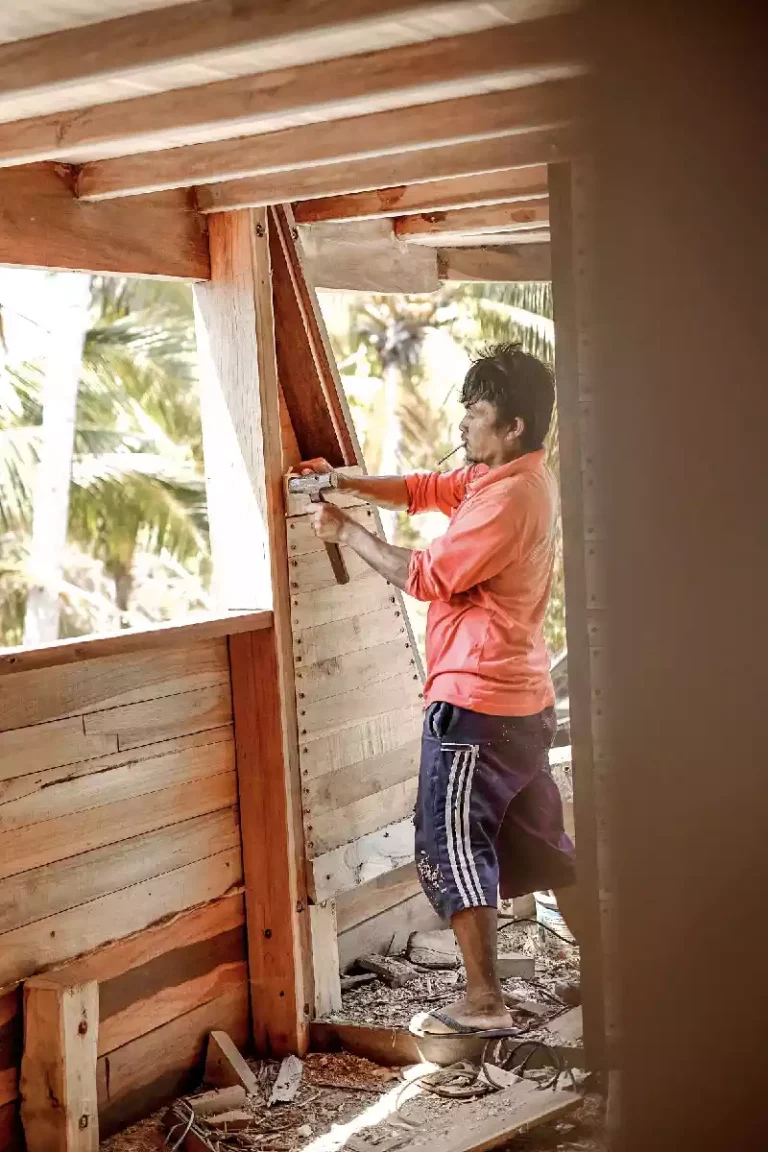
Interior Fit-Out Sequencing on a Phinisi Build
Phinisi fit-out follows one law: nothing closes until what lives behind it is installed, tested and photographed. The working sequence…
Construction & Engineering
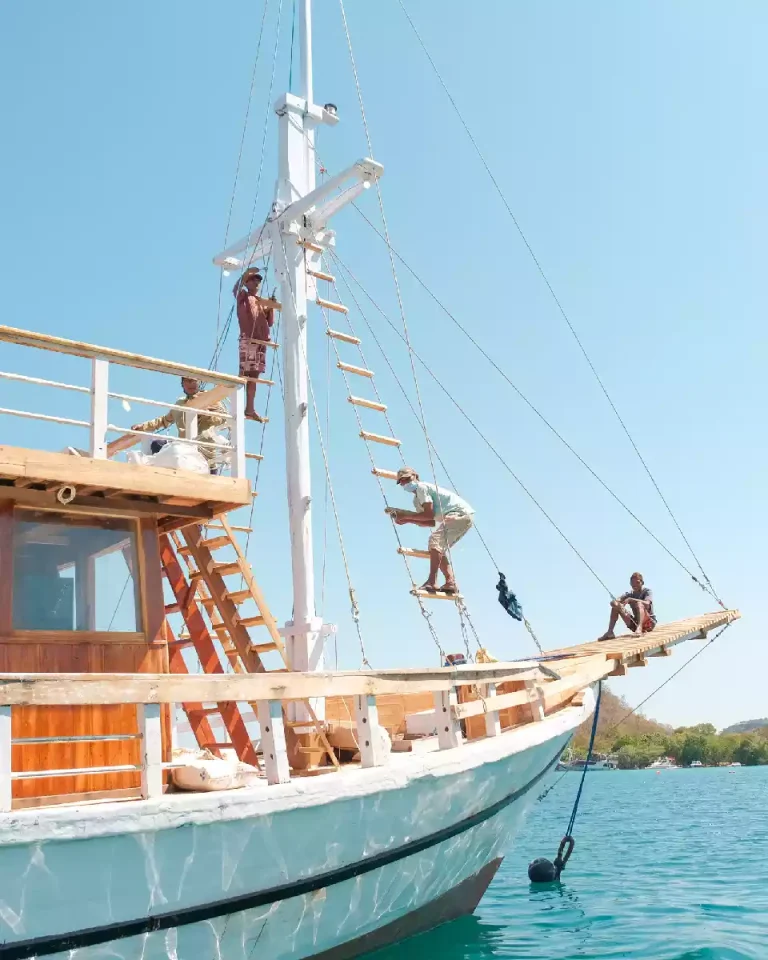
Tank Capacities on New Phinisi: Planning Water, Fuel and Waste
Size phinisi tanks from the itinerary, not the hull: budget roughly 200 litres of fresh water per person per day…
Construction & Engineering
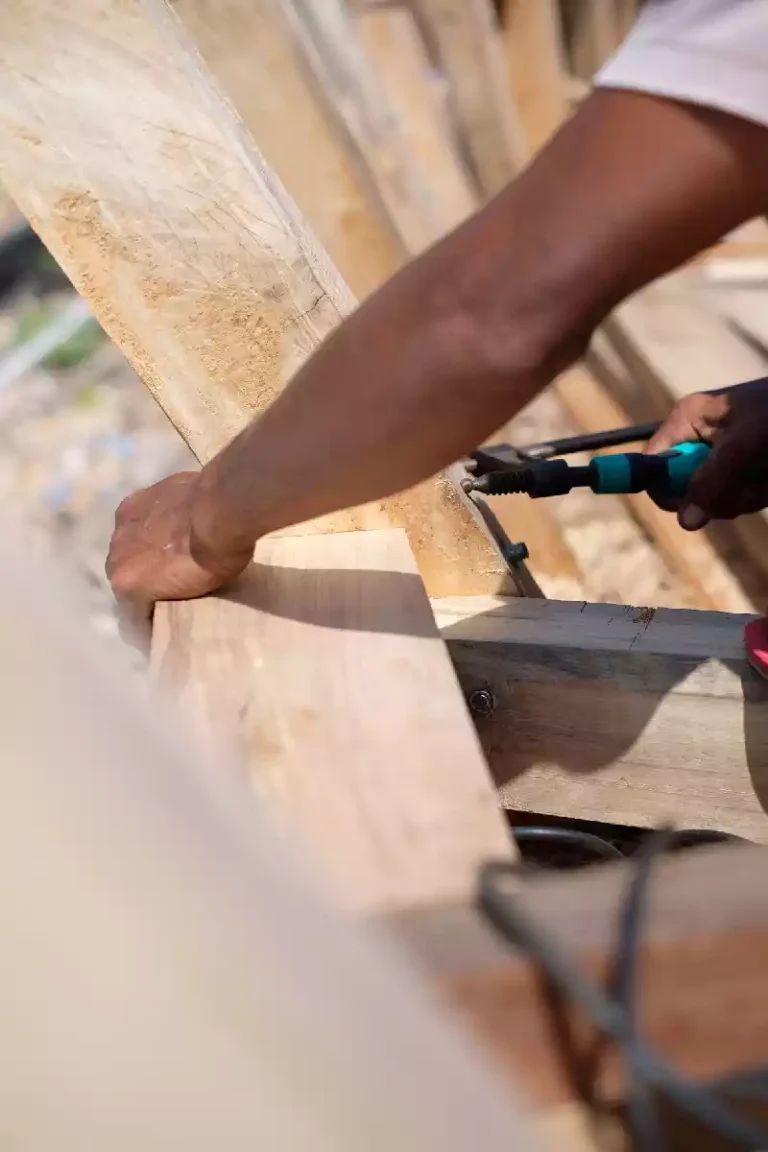
Engine Selection for a New Phinisi: Power Bands That Fit the Hull
A displacement phinisi needs far less power than owners assume: roughly 150–250 hp serves a 25–30 m hull, 300–500 hp a 35–45 m vessel,…
Construction & Engineering
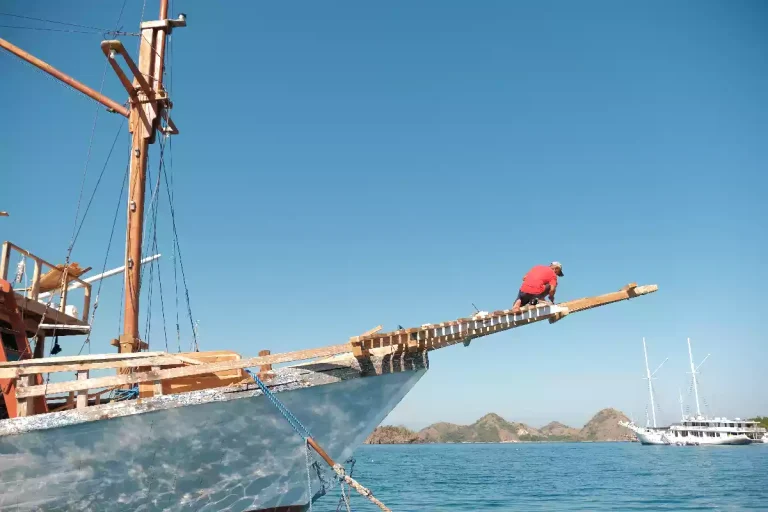
Masts and Rigging for New Phinisi: Makers, Materials, Loads
A new phinisi carries a gaff-ketch rig of two masts and typically seven sails. Spars are built either from laminated…
Construction & Engineering
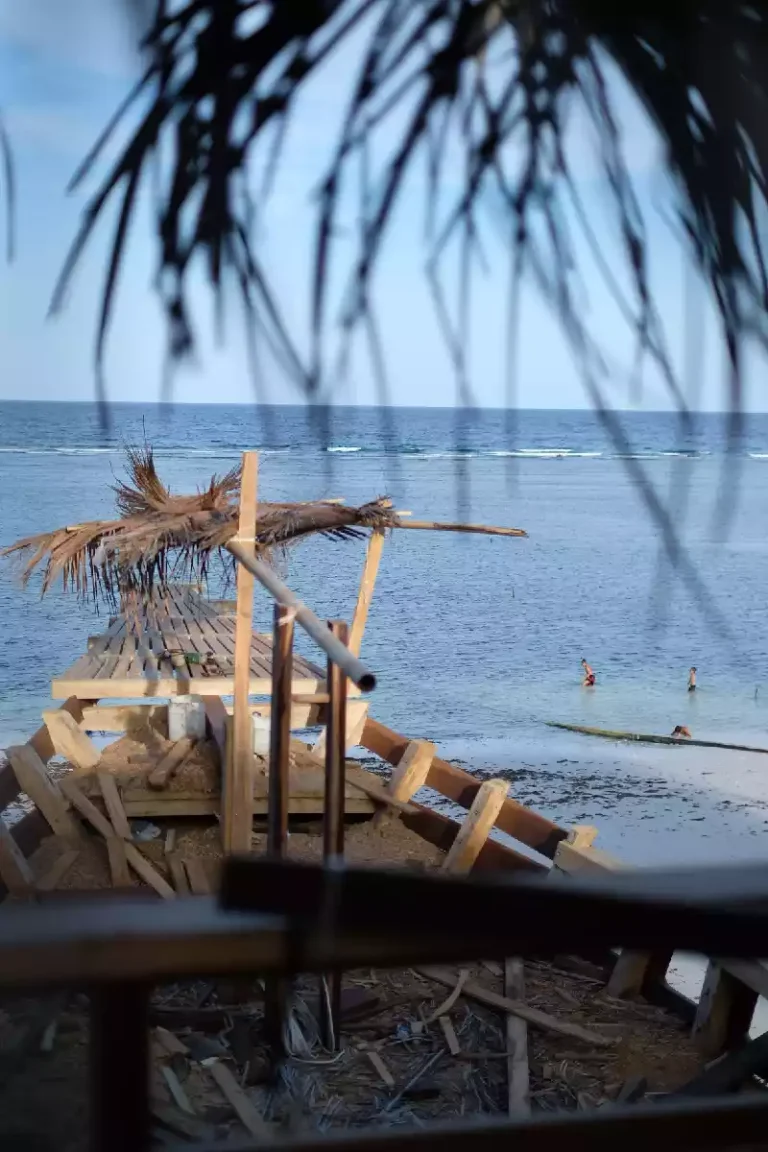
Fiberglass-Sheathed Phinisi Hulls: Hybrid Construction Explained
A fiberglass-sheathed phinisi is a traditionally planked wooden hull wrapped below and around the waterline in epoxy-set glass cloth. Done…
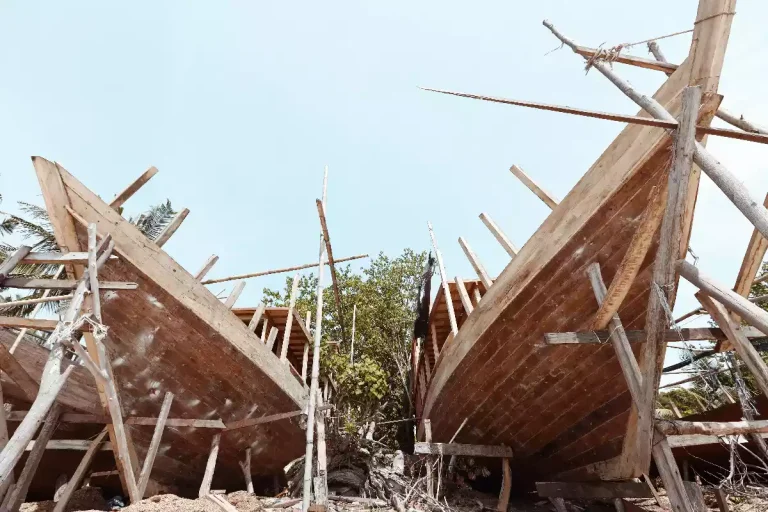
Construction & Engineering
The Aluminium Phinisi Question: Feasibility Beyond Tradition
An aluminium phinisi is feasible as a naval-architecture exercise — a metal hull carrying phinisi lines and rig — but…
Construction & Engineering
How to Specify Your Custom Phinisi in 2027: Engine, Cabin, and Tech Options
Specifying a custom phinisi in 2027 requires understanding a dynamic market. Build prices typically range from US$0.4–10 million, centered on…
Construction & Engineering
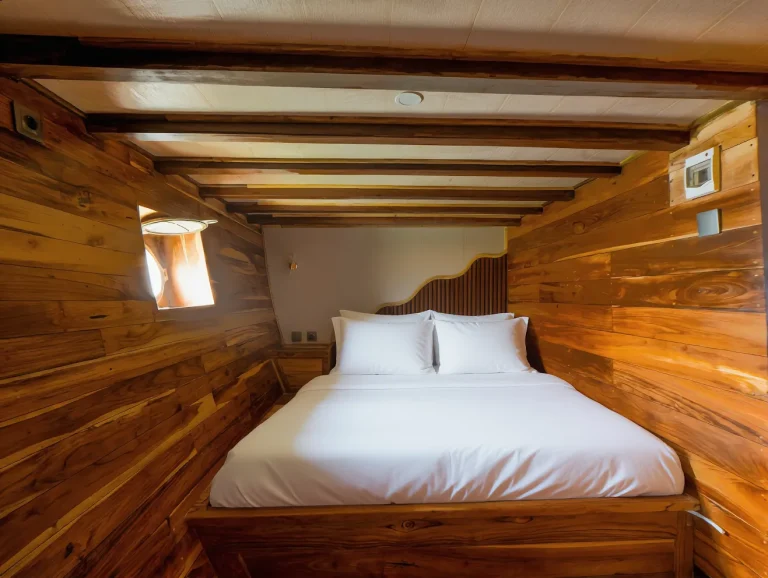
Phinisi Interior Design Trends: What’s New for Indonesian Luxury Yachts
The phinisi-building niche in Indonesia is a rapidly expanding luxury and tourism segment within the broader marine vessel market. Build…