
Construction & Engineering
The Aluminium Phinisi Question: Feasibility Beyond Tradition
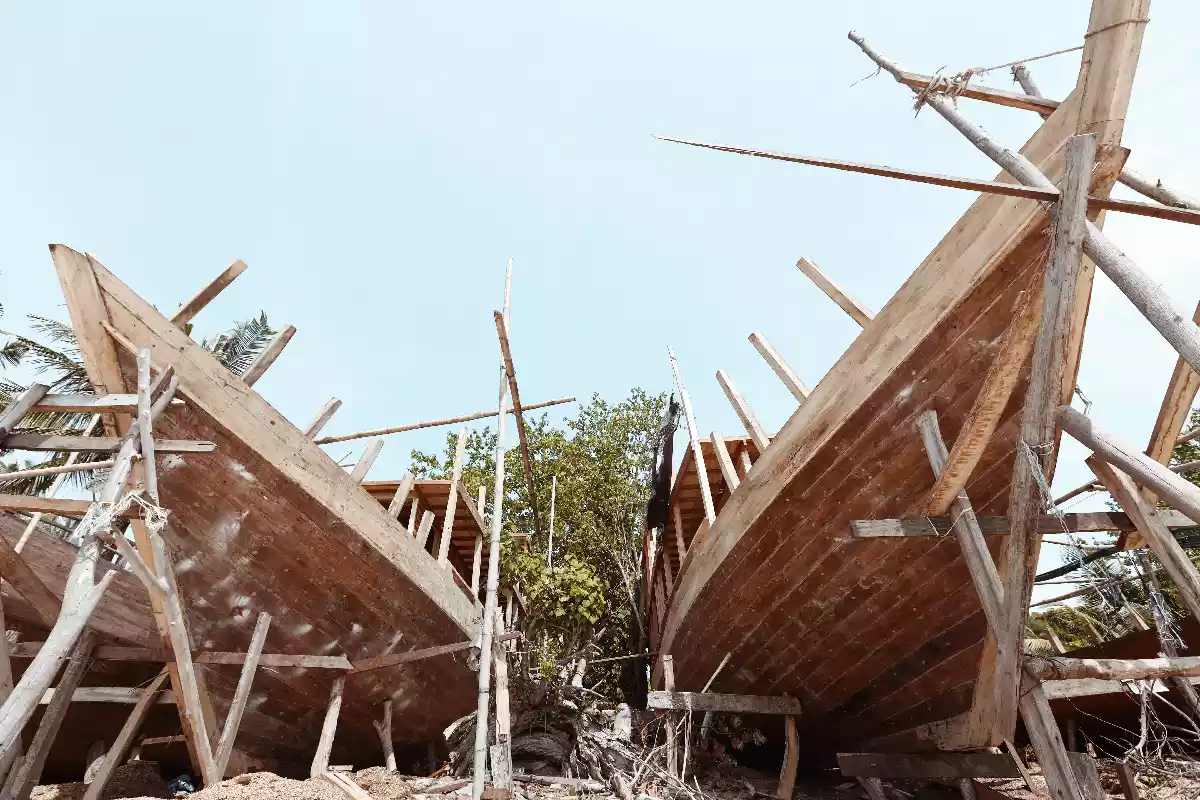
An aluminium phinisi is feasible as a naval-architecture exercise — a metal hull carrying phinisi lines and rig — but it is a different project from a traditional build: different yards, different budget shape, and a vessel that sits outside the cultural lineage that gives the phinisi its name. For most owners the honest question is not “can it be done” but “which compromises do I prefer.”
Every year a handful of serious buyers ask us whether the phinisi silhouette they fell for in Komodo can be delivered in aluminium — lighter, tighter, lower-maintenance. It is a fair question and it deserves a fuller answer than either the romantic “never” or the salesman’s “of course.” As specialists in wooden construction, our view is grounded in what each material actually does for this hull form; the structural overview sits on our aluminium phinisi builder Indonesia page.
What Aluminium Genuinely Offers
Weight, stiffness and predictability. An aluminium hull to the same lines runs meaningfully lighter than laminated ironwood and teak, which buys either speed under power, shallower draft, or payload for tanks and toys. Plate thicknesses and weld specs are calculable, so class approval follows a familiar path and surveys are less interpretive than on a caulked wooden hull. Maintenance shifts from recaulking and refastening cycles to anode management and paint systems — different money, generally less of it, on a schedule your engineer can predict. For operators running tight charter calendars, that predictability is the real attraction.
What the Tradition Loses — and Why It Is Not Sentimentality
A phinisi is not only a shape; it is a construction culture. The Konjo and Bugis method — shell-first planking, frames fitted to the shell, joints worked by eye against decades of inherited proportion — produces a hull whose motion, acoustics and thermal behaviour differ from any metal boat. Wood damps sound and vibration; guests sleep against a quiet hull. Wood breathes; interiors feel different in tropical humidity. And the story a charter guest is buying in Komodo includes the yard beach it was born on. A metal phinisi keeps the silhouette and surrenders the substance — a legitimate trade, but be clear you are making it. Owners weighing material families should read our hybrid fiberglass-sheathing explainer, which preserves far more of the tradition.
Who Actually Builds Metal Hulls in Indonesia
Not the beach yards of Sulawesi. Aluminium work lives in industrial facilities — Batam foremost, plus established metal yards in Surabaya and Jakarta — with certified welders, controlled sheds and class supervision as standard. A realistic aluminium project therefore splits: hull and machinery in a metal yard, then interior fit-out in timber by craftsmen who carry the phinisi aesthetic inboard. Budget-wise, expect the aluminium structure to price above a traditional hull of equal length, with the gap partly recovered over a decade of reduced structural maintenance. Timeline runs comparable overall — faster shell, similar fit-out. Our cost-per-meter breakdown gives the wooden baseline to price against.
A Decision Frame for Owners
Choose traditional timber when the vessel’s identity, charter story, motion comfort and cultural authenticity matter — and accept a living maintenance relationship with the hull. Choose aluminium when shallow-draft expedition range, class predictability and minimal downtime dominate — and accept that you are commissioning a phinisi-styled motor-sailer, best done with a naval architect from day one. A third path suits many: a properly built wooden phinisi with modern fastening schedules, epoxy-set scarfs and disciplined ventilation, which addresses most maintenance fears while keeping the boat a phinisi. That is the standard we hold yards to in our custom construction programs.
Frequently Asked Questions
Has a true aluminium phinisi ever been built?
Metal-hulled vessels carrying phinisi styling and rig exist in the region’s charter fleet, built in industrial yards rather than traditional beaches. Purists dispute the name; the market generally calls them phinisi-style yachts. What has no precedent is a Konjo beach yard working aluminium — the skills and equipment are entirely different trades.
Is an aluminium hull less costly to run than ironwood?
Structurally, usually yes over a ten-year horizon: no recaulking, no refastening, predictable paint and anode cycles. But interiors, rig and systems cost the same in either hull, and a neglected aluminium boat corrodes as surely as neglected wood rots. The saving is real yet smaller than brochures imply.
Does aluminium affect charter licensing in Indonesia?
The flag and commercial licensing process is material-neutral. Where material matters is class and insurance: metal hulls slot into standard class rules easily, while wooden vessels rely on surveyor-based approaches. For Indonesian-flag charter operation both routes are well-trodden.
Can I convert my wooden phinisi’s design to aluminium later?
Lines can be redrawn for metal, but it is a redesign, not a conversion — structure, weights, tank placement and stability all change. Commission the material decision before design freeze; changing hull material after keel-laying is effectively starting a second project.
Would a steel hull be a middle path?
Steel suits larger displacement builds and is familiar to Indonesian industrial yards, but at phinisi charter sizes it concedes weight without aluminium’s corrosion advantages, and it sits just as far outside the wooden tradition. Owners drawn to metal for pragmatism usually land on aluminium; owners drawn to tradition are better served by disciplined modern timber practice than by any compromise metal.
If you are weighing timber against metal for a 2027 or 2028 start, we will give you a straight comparison against your itinerary and budget. Request a consultation, WhatsApp +62 811 3941 4563, or email [email protected].
Keep reading
More from the yard.
Construction & Engineering
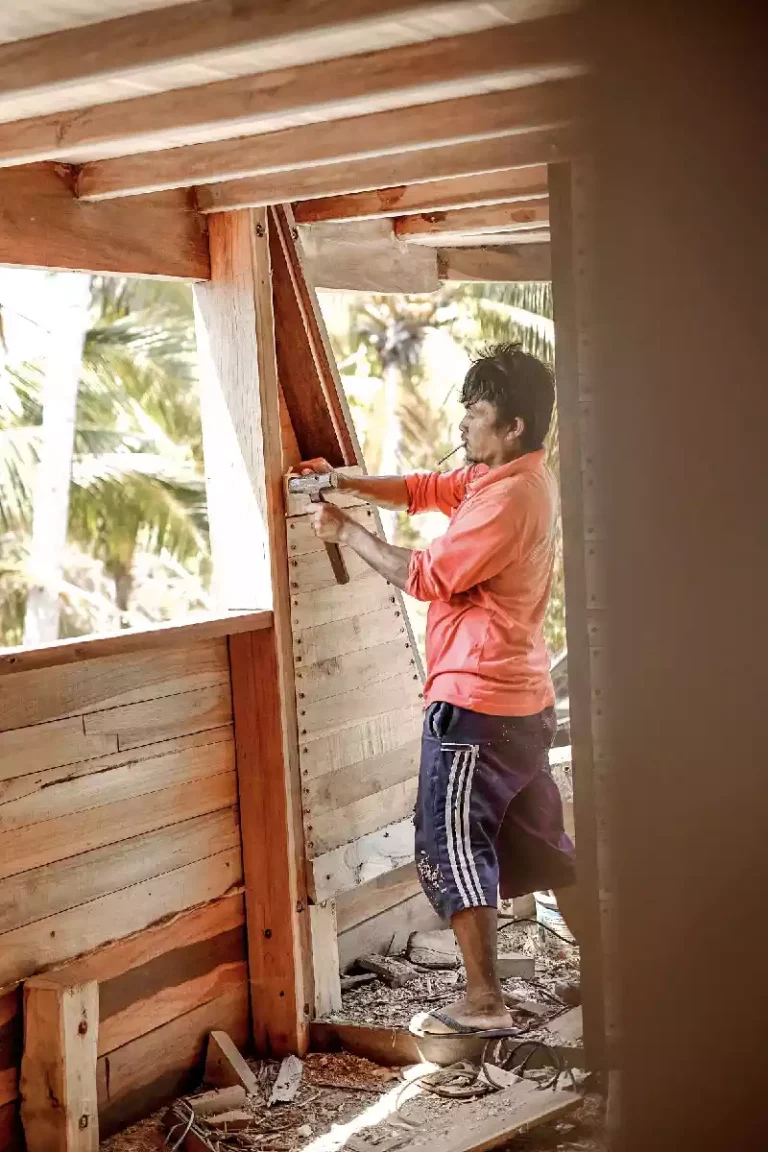
Interior Fit-Out Sequencing on a Phinisi Build
Phinisi fit-out follows one law: nothing closes until what lives behind it is installed, tested and photographed. The working sequence…

Construction & Engineering
Phinisi Deck Hardware: Sourcing Winches and Fittings That Last
Phinisi deck hardware splits into load-bearing items — winches, windlass, cleats, chainplates, blocks — which must be load-rated and documented,…
Construction & Engineering
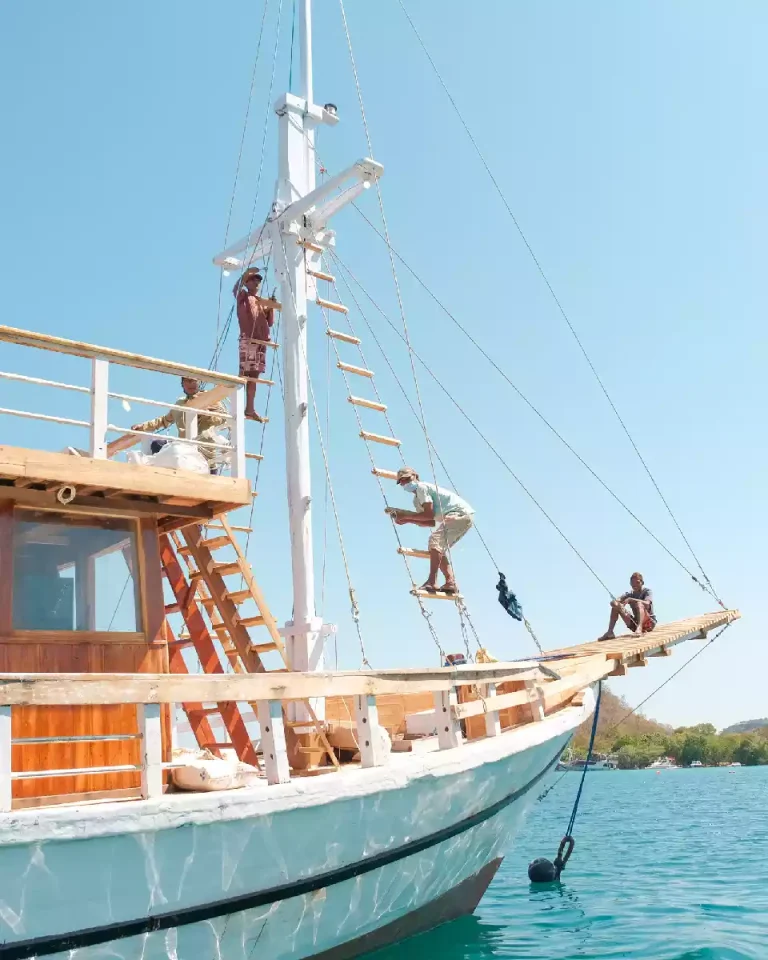
Tank Capacities on New Phinisi: Planning Water, Fuel and Waste
Size phinisi tanks from the itinerary, not the hull: budget roughly 200 litres of fresh water per person per day…
Construction & Engineering
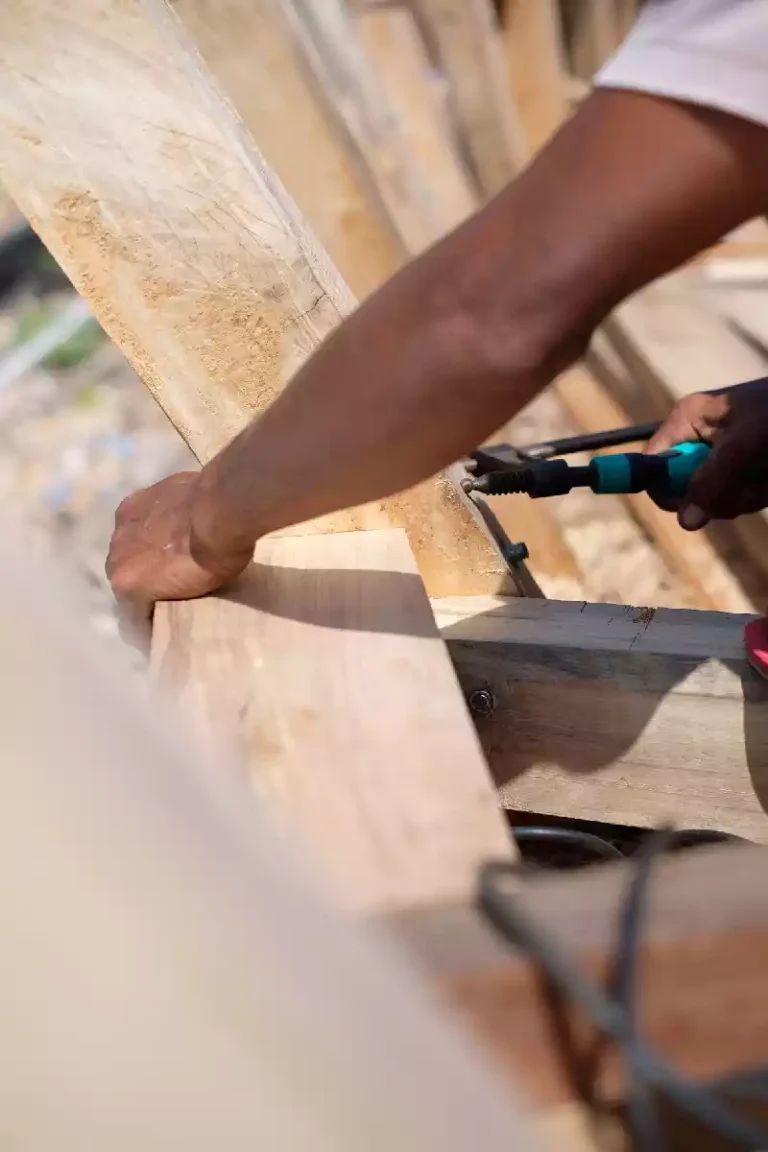
Engine Selection for a New Phinisi: Power Bands That Fit the Hull
A displacement phinisi needs far less power than owners assume: roughly 150–250 hp serves a 25–30 m hull, 300–500 hp a 35–45 m vessel,…
Construction & Engineering
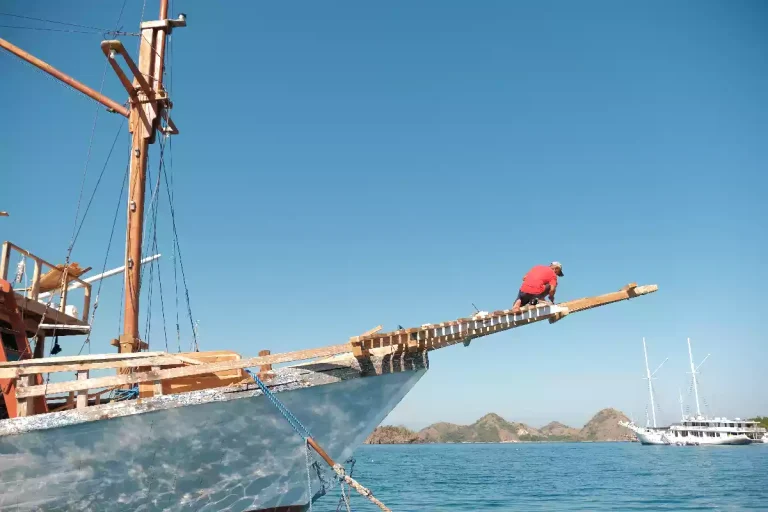
Masts and Rigging for New Phinisi: Makers, Materials, Loads
A new phinisi carries a gaff-ketch rig of two masts and typically seven sails. Spars are built either from laminated…
Construction & Engineering
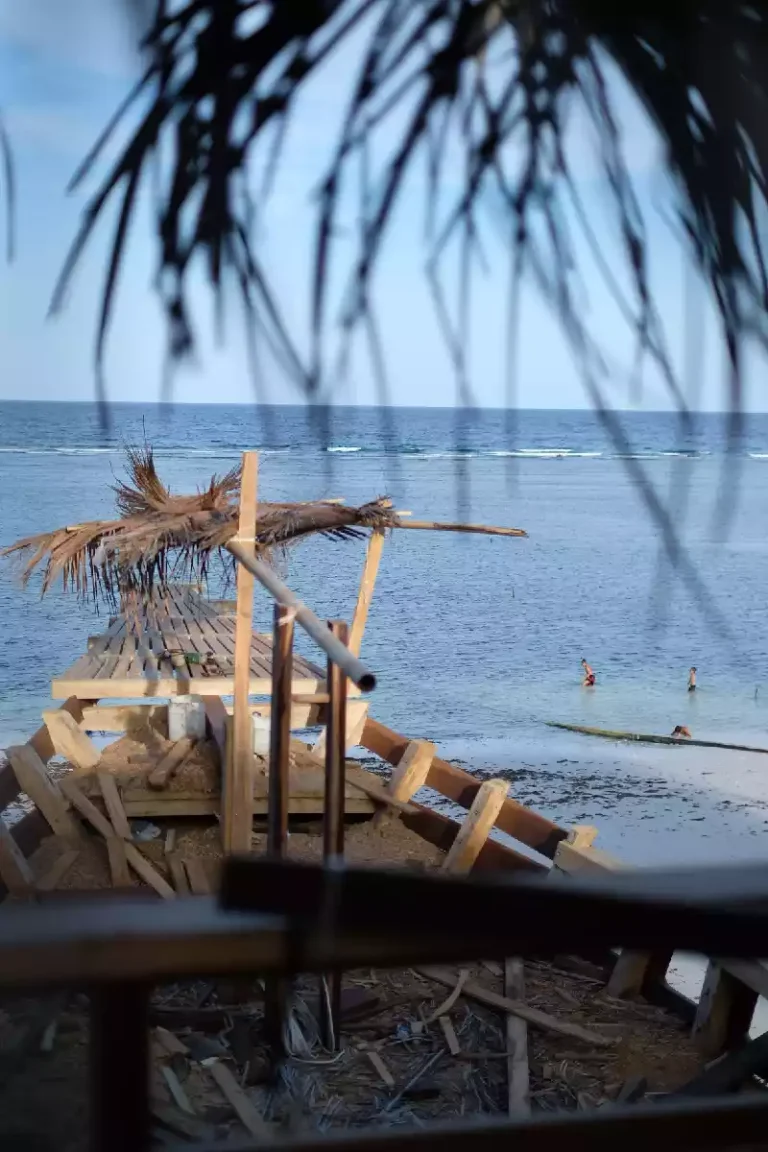
Fiberglass-Sheathed Phinisi Hulls: Hybrid Construction Explained
A fiberglass-sheathed phinisi is a traditionally planked wooden hull wrapped below and around the waterline in epoxy-set glass cloth. Done…
Construction & Engineering
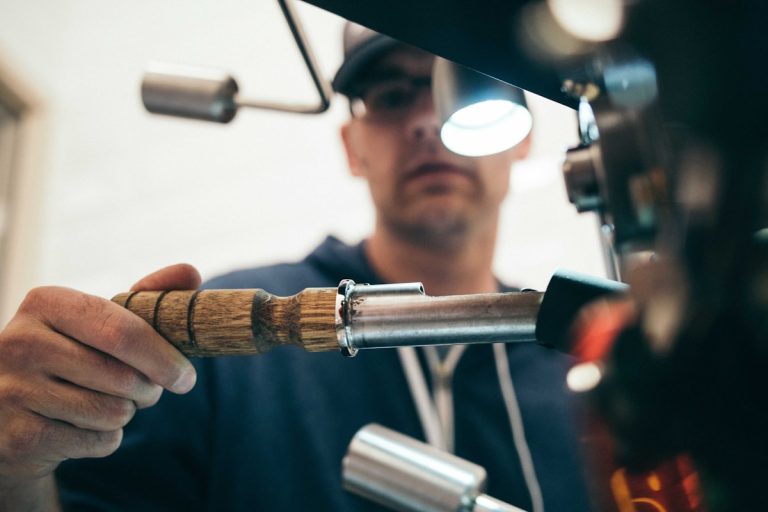
How to Specify Your Custom Phinisi in 2027: Engine, Cabin, and Tech Options
Specifying a custom phinisi in 2027 requires understanding a dynamic market. Build prices typically range from US$0.4–10 million, centered on…
Construction & Engineering
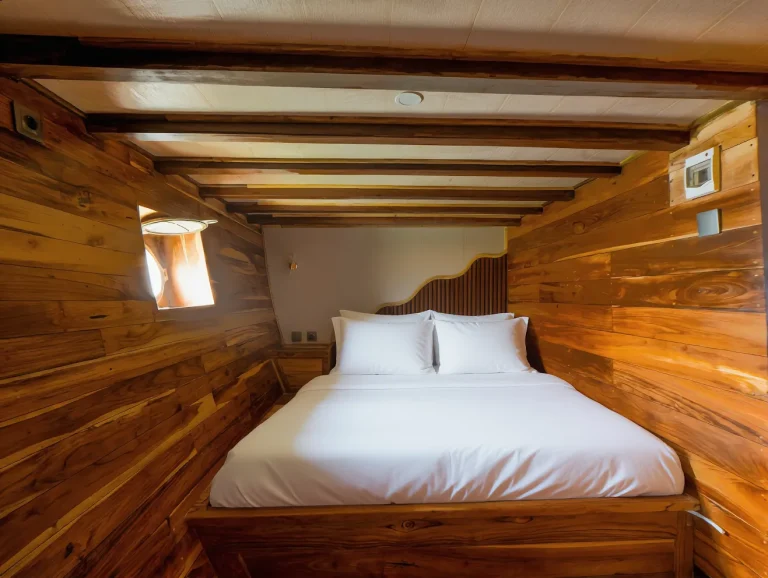
Phinisi Interior Design Trends: What’s New for Indonesian Luxury Yachts
The phinisi-building niche in Indonesia is a rapidly expanding luxury and tourism segment within the broader marine vessel market. Build…