
Planning & Supervision
SVLK and Legal Timber: Verifying the Wood in Your Phinisi
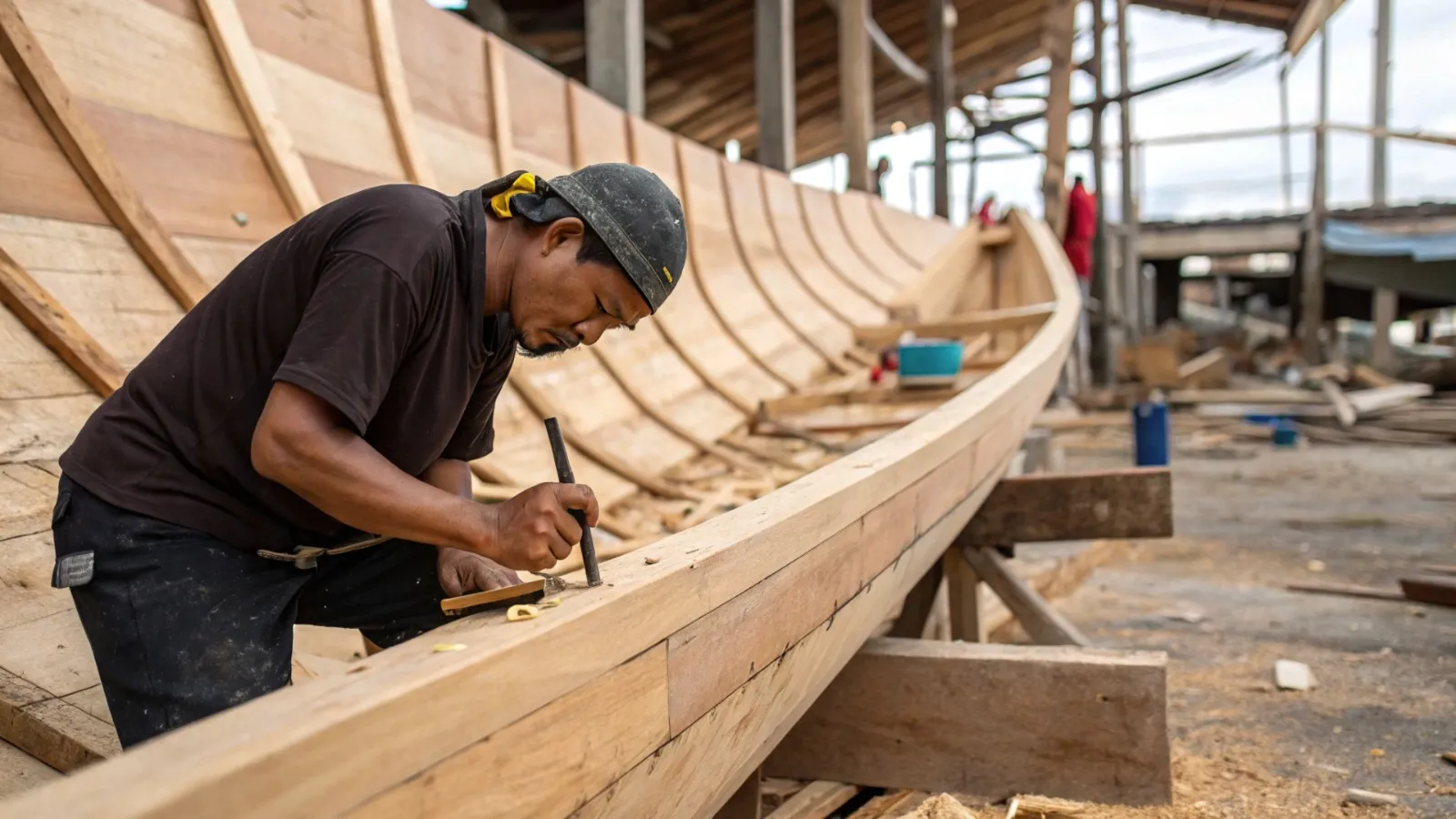
SVLK (Sistem Verifikasi Legalitas Kayu) is Indonesia’s mandatory timber legality assurance system. For a phinisi build it means every consignment of ironwood, teak or bitti should trace to an SVLK-certified source through purchase documents and transport permits. Ask for the supplier’s SVLK certificate and the timber transport documents before releasing your procurement payment — legitimate suppliers can produce both.
Timber is the largest single cost inside a wooden phinisi and the component with the heaviest legal weight. Since Indonesia made SVLK compulsory across the timber sector, legality paperwork has stopped being optional courtesy and become a condition of export, insurance and resale. An owner who cannot show where the ulin in the keel came from owns a vessel with a permanent question mark. This guide covers what to demand, from whom, and when — it belongs beside the timber annex of your build contract.
What SVLK Actually Certifies
SVLK is a chain-of-custody system. Certified concessions and mills are audited against legality standards — harvest rights, royalties paid, species and volume declarations — and their outputs travel with documents that let each buyer down the chain demonstrate legal origin. For export shipments the system issues V-Legal documents recognised under Indonesia’s timber trade arrangements, including its FLEGT licensing history with the EU. For a boat built domestically, the relevant trail is simpler: the supplier’s SVLK certificate, sales invoices identifying species and volume, and the transport permit (SKSHH/nota angkutan) accompanying each delivery to the yard.
The Three Phinisi Timbers and Their Risk Profiles
Ironwood (ulin) for keels and structural members comes mostly from Kalimantan and is the highest-scrutiny species: slow-growing, heavily regulated, and the one where undocumented supply is most common. Insist on complete papers per consignment, not a blanket assurance. Teak for decks and joinery is lower risk when sourced from Perhutani plantations in Java or certified private plantations — plantation teak with SVLK papers is straightforward to verify. Bitti, the traditional Sulawesi framing timber, typically moves in smaller volumes from local sources; documentation is thinner in practice, which is precisely why your contract annex should name the supplier and require invoices per delivery. Species selection itself is covered in our timber selection guide.
A Verification Routine That Takes One Day per Consignment
When a timber delivery reaches the yard: photograph the stack with a date board; count and measure against the delivery note; check species by eye and, for ironwood, by density (ulin sinks); collect copies of the invoice, transport document and the supplier’s SVLK certificate; and file all of it against the consignment number in your build ledger. Your owner’s representative can run this routine without slowing the yard. Verify the supplier’s certificate is current on the ministry’s SILK database — certificates do lapse, and a lapsed certificate mid-build is a problem you want to catch at delivery, not at export.
Why This Paper Matters Later
Three doors open only with clean timber papers. Export: when your phinisi leaves Indonesia or flags out, customs valuation and legality checks reach back to material origin — the process detailed in our guide to export paperwork from yard to foreign flag. Insurance and class: underwriters increasingly ask about material provenance on new wooden builds. Resale: a documented hull commands a visible premium, because the next buyer’s lawyer will ask the questions you should ask now. Provenance is also becoming a charter-marketing asset — guests and agents notice a vessel that can tell its timber story honestly.
Frequently Asked Questions
Is SVLK legally required for a domestic phinisi build?
The obligation sits on the timber supply chain rather than on you as a boat owner, but every legitimate supplier selling structural volumes should hold SVLK certification. Practically, demanding SVLK-traceable supply is how an owner stays clear of the liability and export complications that follow undocumented wood.
What if my yard says local bitti has no paperwork?
Small-volume local purchases with thin paperwork are common for bitti, but “no paperwork” is not acceptable for structural volumes. Require at minimum invoices naming the seller, species and volume, plus transport notes. If a yard resists even that, the timber budget is probably feeding an informal chain you do not want under your keel.
Does SVLK cover sustainability, or only legality?
Legality. SVLK verifies legal harvest and chain of custody, not ecological sustainability in the FSC sense. Owners wanting a stronger environmental position specify plantation teak, recycled ulin from dismantled structures where appropriate, and reforestation offsets — over and above the legality baseline.
Can I check an SVLK certificate myself?
Yes. Ask the supplier for the certificate number and issuing body, then confirm status through the ministry’s online SILK portal or directly with the certification body. Five minutes of checking per supplier is enough; your representative or surveyor can do it as part of consignment verification.
Does recycled or reclaimed ironwood need the same paperwork?
Reclaimed ulin from dismantled buildings and bridges is a legitimate, often excellent source for select members, but it travels on different papers: purchase records from the demolition owner and transport notes rather than concession documents. Record provenance with photographs at purchase. Surveyors accept documented reclaimed timber readily; undocumented “old wood” invites the same questions as undocumented new wood.
We source and verify legality-documented timber packages for clients’ builds across Sulawesi and Kalimantan. For a timber annex template or supplier introductions, request a consultation, WhatsApp +62 811 3941 4563, or email [email protected].
Keep reading
More from the yard.
Uncategorized
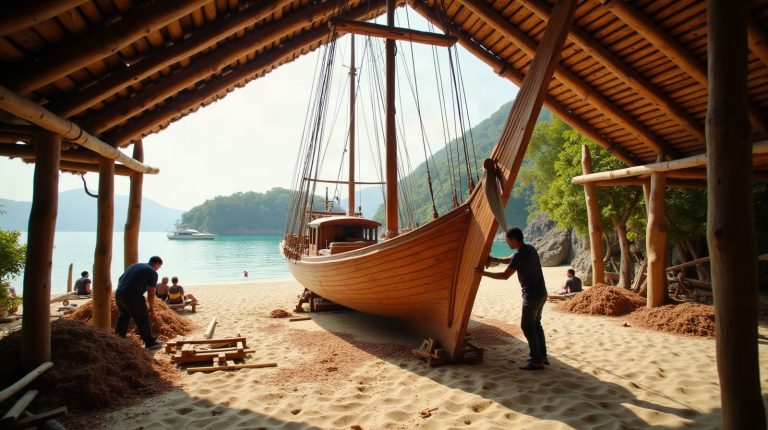
Commissioning a Phinisi in 2026: What Komodo Charters Teach
Future owners commissioning a phinisi ask three questions more than any others: which cabin mix actually earns, what power and…

Planning & Supervision
Charter-Spec vs Private-Spec Phinisi: Build Choices That Diverge
A charter-spec phinisi is engineered around revenue: maximum guest cabins with identical quality, robust crew areas, redundant systems that protect…
Planning & Supervision
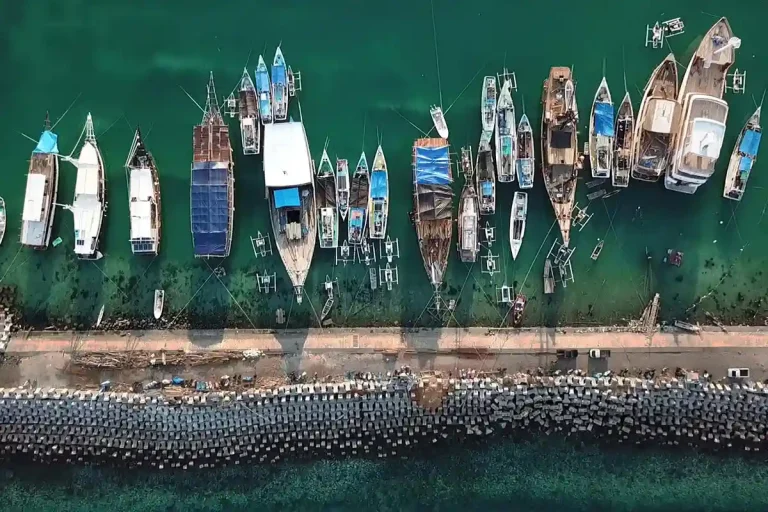
Yard Capacity in 2027: Booking Your Phinisi Build Slot Early
Serious phinisi yards enter 2027 with slipways committed twelve to eighteen months ahead: charter-fleet renewal, post-quake rebuilding demand and a…
Planning & Supervision
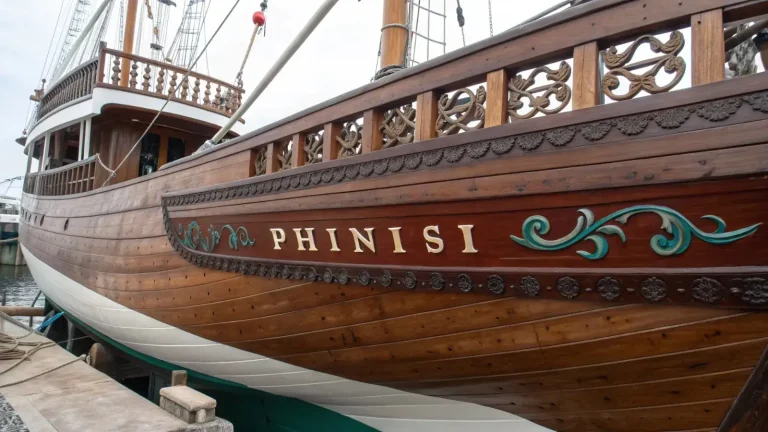
The Owner Visit Schedule: When to Fly In During a Build
Five owner visits carry most of a build's value: contract signing and yard walk, keel-laying with the timber on site,…
Construction & Engineering
Interior Fit-Out Sequencing on a Phinisi Build
Phinisi fit-out follows one law: nothing closes until what lives behind it is installed, tested and photographed. The working sequence…

Construction & Engineering
Phinisi Deck Hardware: Sourcing Winches and Fittings That Last
Phinisi deck hardware splits into load-bearing items — winches, windlass, cleats, chainplates, blocks — which must be load-rated and documented,…

Planning & Supervision
Supervising From Afar: Monthly Build Reports That Tell the Truth
A truthful monthly build report has five parts: progress against the contractual milestone table, photographs from fixed repeat vantage points,…

Planning & Supervision
Sulawesi vs Kalimantan Yards: Logistics Behind the Comparison
The Sulawesi–Kalimantan choice is a logistics decision wearing a heritage costume: Sulawesi yards sit at the heart of the Konjo…