
Buyer Guides
Phinisi Builder Indonesia Certification: How to Verify Excellence in 2027
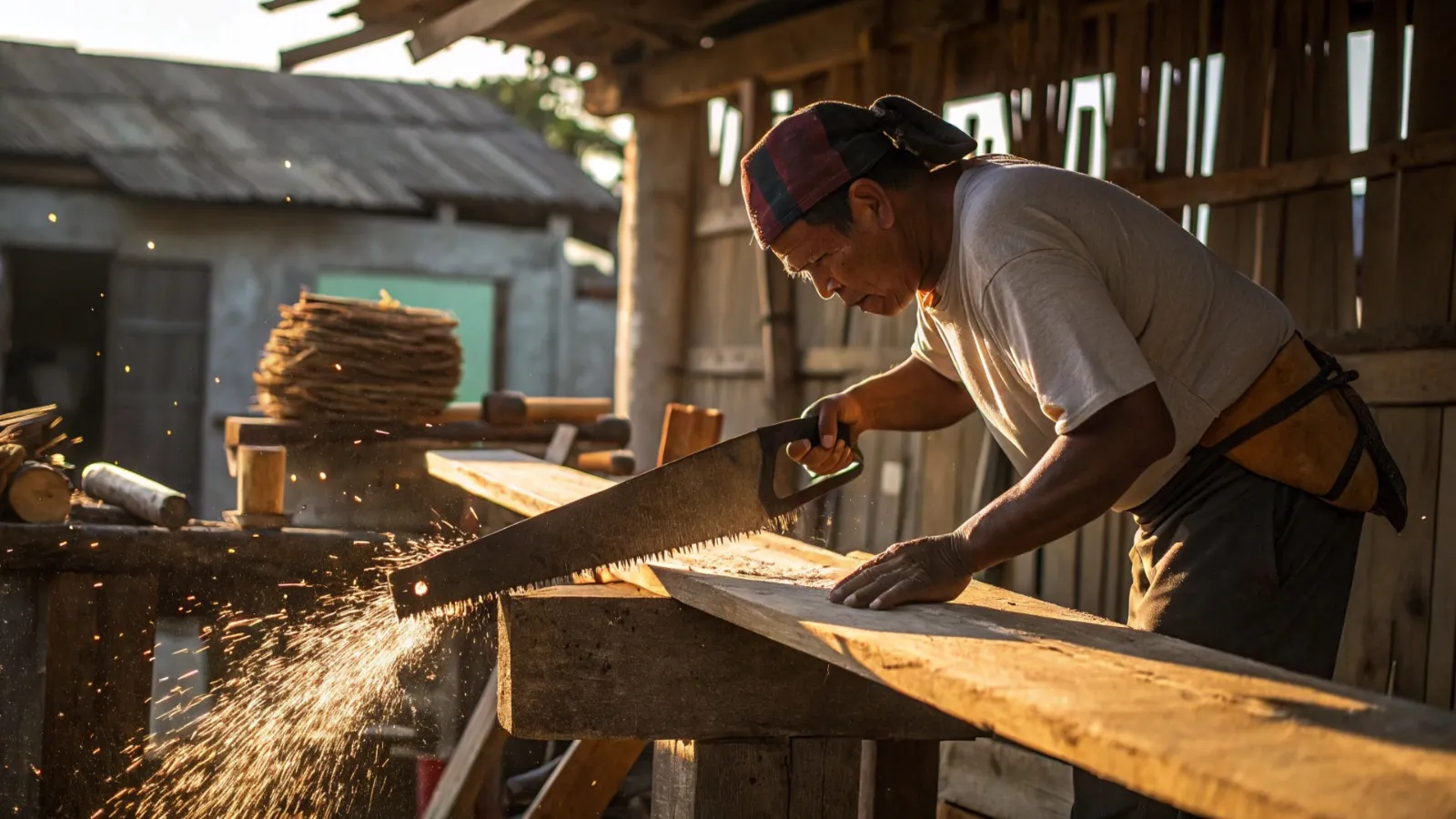
Phinisi Builder Indonesia provides clarity on verifying excellence in phinisi construction for 2027. This guide addresses the lack of official standalone certification within the rapidly growing luxury marine vessel segment, outlining how buyers can conduct due diligence on builders operating from South Sulawesi shipyards with fit-out hubs in Bali, Komodo, and Raja Ampat.
Phinisi Builder Indonesia Certification: How to Verify Excellence in 2027
As Master Phinisi Shipwright and Senior Content Lead for Phinisi Builder Indonesia, I frequently encounter questions regarding certification within our specialised industry. The phinisi-building niche, while small, represents a fast-growing luxury and tourism segment within the broader marine vessel market. With build prices typically ranging from US$0.4 million to US$10 million per boat, operations are concentrated in South Sulawesi shipyards, with fit-out and operational hubs in Bali, Komodo, and Raja Ampat.
It is important to clarify that there is no single, overarching ‘Phinisi Builder Indonesia Certification’ in 2027 that functions as a universal standard across all builders. Unlike some heavily regulated international shipbuilding sectors, the phinisi industry in Indonesia operates with a focus on traditional craftsmanship, often guided by customary practices and specific client requirements rather than a unified external accreditation body.
Therefore, verifying excellence requires a proactive approach from importers, wholesalers, retailers, interior contractors, and trade buyers. This article outlines the practical steps and considerations for due diligence when engaging with phinisi builders in 2027.
Understanding the Market Landscape: 2026–2027 Growth Projections
The phinisi market is not tracked by a standalone statistic; it is an integral part of the broader Indonesia marine vessel and nautical tourism segments. These larger markets provide a framework for understanding phinisi demand:
- The Indonesia Marine Vessel Market is projected to grow at a Compound Annual Growth Rate (CAGR) of 5.8% from 2026–2032.
- By 2027, Indonesia’s marine vessel market is forecast to achieve a growth rate of 9.63%.
- Indonesia’s construction industry, which includes shipyards, is expected to expand at an average annual rate of 5.8% from 2026 to 2029, supported by large-scale infrastructure and energy projects.
Within this expanding market, phinisis occupy a high-value, low-volume luxury and tourism niche. Industry observations indicate that more ultra-luxurious Sulawesi sailing vessels are being built than ever before, with individual shipyards reporting multiple phinisis under concurrent construction for the Southeast Asia charter market. The phinisi market has evolved dramatically, moving from functional coastal use to global luxury demand, particularly for tourism and liveaboards in Komodo and Raja Ampat, and for overseas buyers in regions such as the Maldives and Mediterranean.
Given the vessel-market growth of approximately 6–10% per year, rising luxury charter demand in Indonesia’s closed registry market, and multiple yards now building several units in parallel, a high-single-digit annual growth rate for phinisi order books in 2026–2027 is consistent with available evidence. Precise unit volumes are not publicly published.
Typical Price Ranges: Build and Charter
Build Prices
The cost of building a phinisi varies significantly based on size, materials, level of customisation, and interior fit-out. As noted, build prices typically range from US$0.4 million to US$10 million per boat.
| Category | Approximate Build Price Range | Key Determinants |
|---|---|---|
| Entry-level/Basic Tourism | US$0.4 – US$1.5 million | Smaller size (20-30m), simpler fit-out, local materials, basic systems. |
| Mid-range/Comfort Tourism | US$1.5 – US$4 million | Medium size (30-45m), higher quality finishes, more advanced navigation/comfort systems, some customisation. |
| Luxury/High-end Charter | US$4 – US$10 million+ | Larger size (45m+), premium materials (teak, exotic hardwoods), bespoke interior design, advanced marine technology, extensive customisation, luxury amenities. |
Charter Prices
Charter rates also reflect the vessel’s build quality, size, amenities, crew experience, and operational region. Daily charter rates for luxury phinisis can range from US$2,000 to US$25,000+, depending on the factors listed above and the season.
Verifying Excellence: Practical Steps for Buyers in 2027
Without a single certification body, buyers must implement a robust verification process. This involves a combination of due diligence, direct engagement, and professional oversight.
1. Builder Reputation and Track Record
Investigate the builder’s history. How many phinisis have they completed? Can they provide references from previous clients, particularly those with similar project scopes? Longevity and a portfolio of successful deliveries are strong indicators of reliability and quality. Look for builders who have consistently delivered vessels that meet or exceed client expectations.
2. Site Visits and Inspection
A physical visit to the shipyard in South Sulawesi is crucial. Observe the construction practices, the quality of materials used, and the organisation of the workspace. Pay attention to the craftsmanship of vessels currently under construction. For fit-out and finishing, inspect facilities in Bali, Komodo, or Raja Ampat where relevant. This direct observation provides invaluable insight into the builder’s standards.
3. Technical Specifications and Documentation
Demand comprehensive technical specifications for the vessel. This includes detailed plans for hull construction, engine and propulsion systems, electrical and plumbing schematics, safety equipment, and interior fit-out materials. A reputable builder will provide clear, precise documentation. Ensure these specifications align with international marine standards where applicable, even if not strictly mandated for phinisis.
4. Material Sourcing and Quality Control
Inquire about the origin and quality of materials, especially timber. Traditional phinisis are built with specific hardwoods, and understanding the sourcing process helps ensure sustainability and material integrity. Ask about the builder’s quality control procedures at each stage of construction, from timber selection to final finishing.
5. Classification and Regulatory Compliance (Where Applicable)
While a general phinisi certification may not exist, specific vessels intended for commercial operation (e.g., charter) may require classification by recognised marine classification societies (e.g., Bureau Veritas, RINA, Lloyd’s Register) or compliance with national maritime regulations for safety and seaworthiness. Clarify these requirements with the builder and ensure they have experience in meeting such standards if your vessel’s intended use demands it.
2027 Note: As maritime regulations evolve, especially concerning safety and environmental impact, buyers should confirm that builders are aware of and capable of integrating any new Indonesian or international guidelines that may affect vessel registration or operational permits by 2027. This includes considerations for waste management, engine emissions, and crew certification, which are increasingly under scrutiny for commercial charter operations in sensitive marine environments like Komodo National Park.
6. Contractual Agreements and Payment Milestones
A detailed contract is fundamental. This should clearly outline the scope of work, materials to be used, construction timeline, payment schedule tied to verifiable milestones, warranty provisions, and dispute resolution mechanisms. Engage legal counsel with experience in international shipbuilding contracts to review all documentation.
7. Independent Surveyors and Project Management
Consider appointing an independent marine surveyor or project manager to oversee the construction process on your behalf. This professional can conduct regular inspections, verify progress against the contract, and ensure adherence to quality standards. This provides an objective layer of oversight, particularly beneficial for overseas buyers.
Conclusion: Partnering for Excellence
Verifying excellence in phinisi construction in 2027 relies on a combination of diligent research, direct engagement, and professional oversight. While a singular ‘Phinisi Builder Indonesia Certification’ is not a standard, the reputation, transparency, and technical capabilities of the builder, coupled with robust contractual agreements and independent verification, are the cornerstones of a successful project.
Phinisi Builder Indonesia is committed to upholding the highest standards of craftsmanship and client satisfaction. We invite serious trade buyers to engage with us to discuss their requirements and our processes for ensuring quality and timely delivery.
For further discussion or to initiate a project inquiry, please request a wholesale quote on WhatsApp.
Continue reading: How to Choose the Right Phinisi Builder in Indonesia: A 2027 Step-by-Step Guide · How to Navigate Indonesia’s Closed Maritime Registry for Phinisi Charters in 2027 · B2B Partnership Program
Keep reading
More from the yard.
Buyer Guides
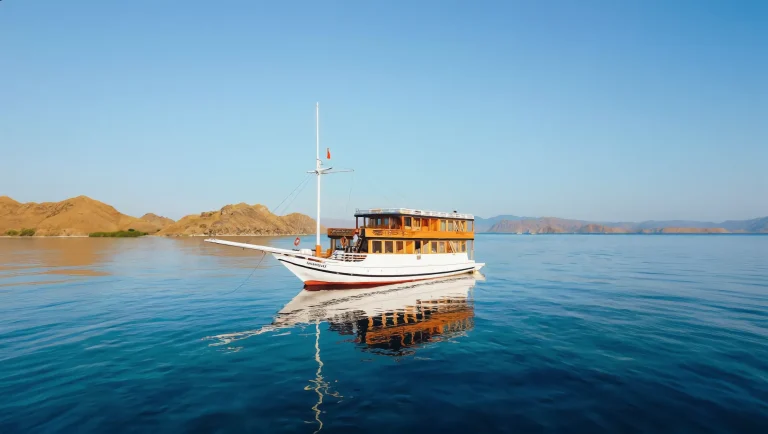
How to Build a Phinisi in Indonesia: The Ultimate 2027 Buyer’s Guide
Phinisi construction in Indonesia represents a distinct luxury and tourism segment within the marine vessel market, with build prices typically…
Buyer Guides
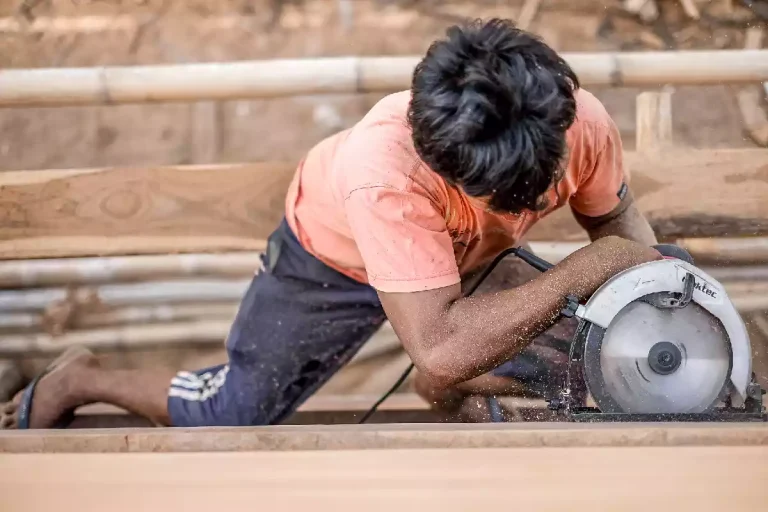
How to Choose the Right Phinisi Builder in Indonesia: A 2027 Step-by-Step Guide
Choosing the right phinisi builder in Indonesia demands careful consideration of a specialised market. This guide outlines a step-by-step process…
Buyer Guides
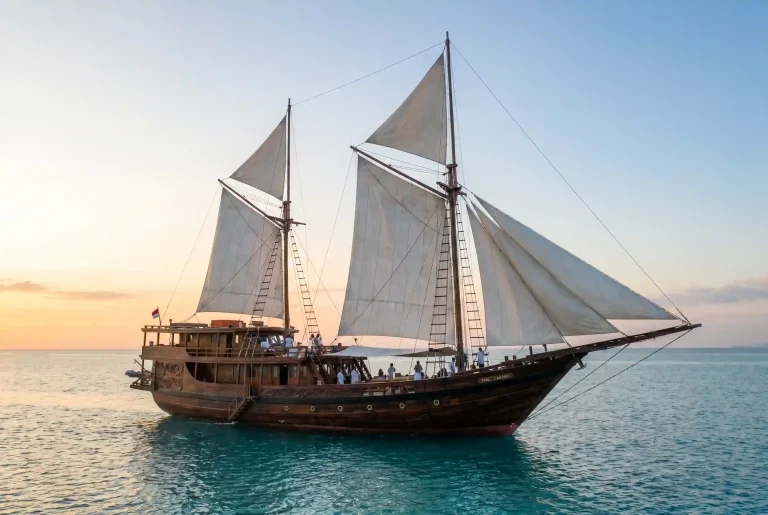
How to Order a Phinisi Yacht in Indonesia: A 2027 Step-by-Step Commissioning Guide
Commissioning a phinisi yacht in Indonesia involves a structured process, from initial design to final delivery. This guide details the…
Buyer Guides
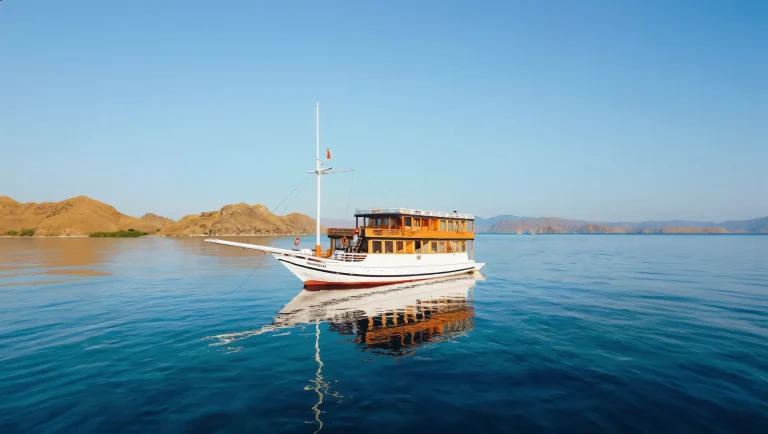
Market Trends: Why Charter Demand is Boosting Phinisi Builds in Indonesia
Phinisi shipbuilding in Indonesia is a specialised luxury segment experiencing growth due to increasing demand for charter services. Build prices…
Buyer Guides
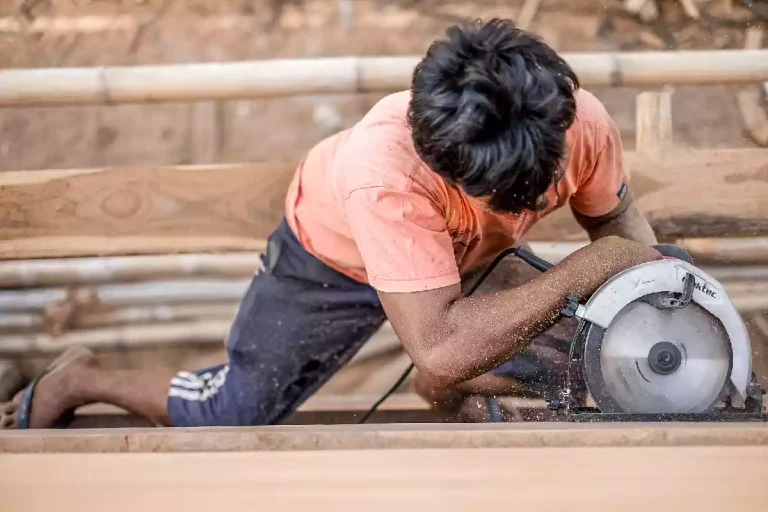
Phinisi Boat Building Services in Indonesia: Choosing Your 2027 Project Partner
Indonesia’s phinisi-building sector is a specialised luxury and tourism segment experiencing rapid growth. Build prices typically range from US$0.4 to…
Buyer Guides
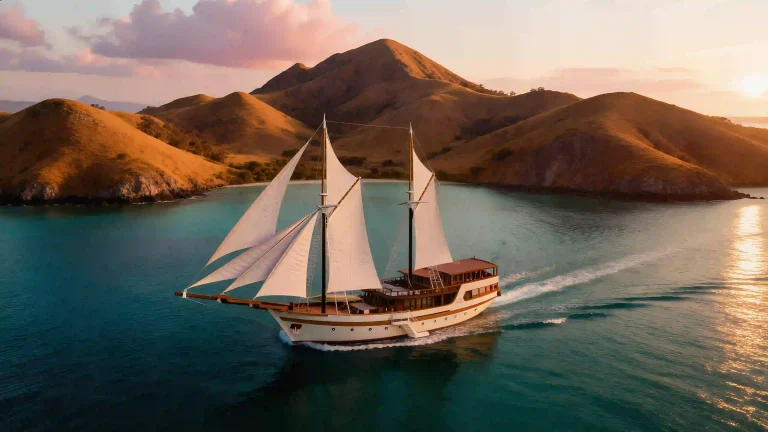
Phinisi Buying Mistakes: What to Avoid When Commissioning in Indonesia
Commissioning a phinisi yacht in Indonesia requires careful consideration to avoid common pitfalls. Build prices typically range from US$0.4–10 million,…
Buyer Guides
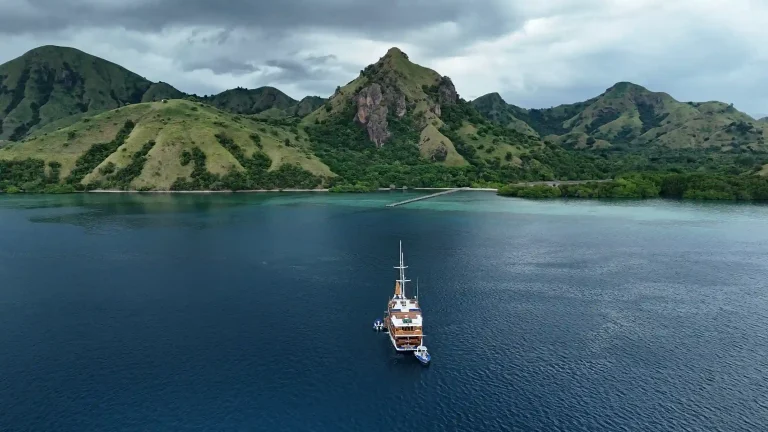
Phinisi Custom Yacht Build Indonesia: Essential Considerations for 2027 Buyers
Phinisi custom yacht builds in Indonesia represent a growing luxury tourism segment, with typical build prices ranging from US$0.4–10 million.…
Buyer Guides
Phinisi Liveaboard Builder Indonesia: Trends and Tips for 2027 Custom Projects
Indonesia's phinisi-building sector is a growing luxury and tourism niche within the marine vessel market, with build prices typically ranging…