
Planning & Supervision
The Owner Visit Schedule: When to Fly In During a Build
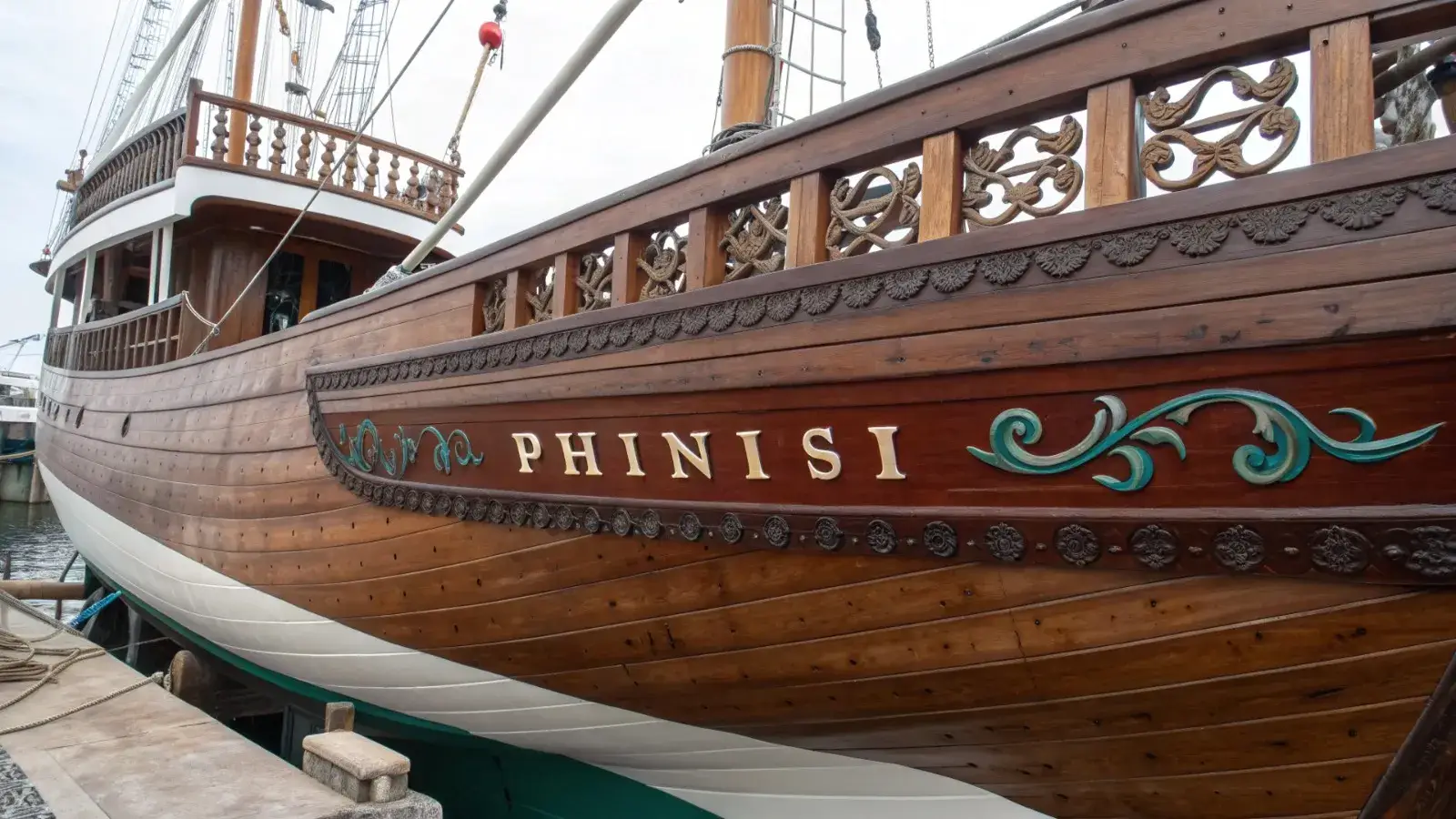
Five owner visits carry most of a build’s value: contract signing and yard walk, keel-laying with the timber on site, framing complete, pre-launch systems stage, and sea trials with handover. Time each to a payment milestone so your eyes and your money arrive together. Between visits, the monthly report and your representative hold the line.
Owners either under-visit — wiring money against photographs for two years — or over-visit, hovering until the yard manages the owner instead of the build. Both cost quality. The schedule below reflects how projects actually run in Sulawesi and Kalimantan yard towns, and it assumes the remote-supervision spine from our monthly build reports guide is in place between flights.
Visit One: Before Money Moves
The signing visit does three jobs no video call manages. You walk the yard’s live projects — not the finished showpiece but the half-planked hulls, where working standards are visible — and meet the master builder who will personally carry your project, an assessment our builder selection guide treats as decisive. You verify the slipway slot physically exists and note what occupies it. And you sign in person, which in yard-town culture converts a document into a relationship — the difference matters eighteen months later when you need goodwill at defect time. Bring your representative; introducing them under your authority, at your side, sets their standing for the entire build.
Visits Two and Three: Timber and Skeleton
Fly in for keel-laying — partly ceremony, in a tradition where the keel carries genuine cultural weight, but mostly timber: the structural wood is on site, stacked, stamped and checkable against the annex and the consignment papers from our legality routine. An hour with a moisture meter among the ulin stacks is the highest-value hour of the early build. Visit three lands at framing complete, the milestone where the vessel’s whole shape stands in open air and everything is still correctable: sight the sheer from four positions, check frame spacing against the schedule, crawl the backbone scarfs, and spend the evening with the master builder on the change items that inevitably surfaced. Framing errors fixed now cost hundreds of dollars; the same errors after planking cost thousands, and after launch they are simply the boat you own.
Visits Four and Five: Systems and the Sea
The pre-launch visit belongs at the machinery-and-tanks stage, while ceilings are open: witness tank tests, engine alignment and the labelled systems runs before linings close per the fit-out sequence — this is the last date on which the inside of your boat can be inspected rather than excavated. It is also the natural moment for interior decisions clustering at this phase. The final visit is the long one: arrive for the end of dock trials, sail the trial protocol, and stay through defect resolution to handover. Owners who delegate trials entirely discover their vessel’s character from a spreadsheet; the boat deserves a fortnight, and so does the crew you will be trusting with it.
Making Yard Days Count
Yard-town practicalities decide how much a visit yields. Announce dates two weeks out — enough for the yard to assemble the right people, not enough to art-direct the slipway; your representative’s unannounced rhythm covers the gap. Fly into Makassar for the Sulawesi coast or the regional gateways for Kalimantan, budget a full travel day each way, and never schedule a same-day turnaround: rushed visits verify nothing. Bring the open-items register printed, walk it physically item by item, and close each meeting by writing decisions into a dated site note the yard signs — the yard-town handshake is warm but the signed note is what your contract can enforce. Evenings matter too: the meal with the master builder is where the true schedule surfaces.
Frequently Asked Questions
Can I really run a build with only five visits?
Yes — provided monthly reporting and independent representation function between them. The visits are for decisions, relationships and payment-critical verification; the continuous supervision lives in the system. Owners without a representative should add two or three intermediate trips, particularly across the planking months.
Are unannounced owner visits a good idea?
For you, rarely — the key people may be absent and the day wastes. Unannounced is your representative’s tool. The exception: when reports and invoices have diverged and you are effectively auditing; then arrive unannounced, walk first, and meet management second.
Should I bring family or partners to yard visits?
To keel-laying and launch, absolutely — these are genuine occasions, and yards host them with pride. For working visits, keep the party small: inspection days involve ladders, bilges and long technical conversations, and a distracted owner inspects nothing.
What single item should I always inspect personally?
Whatever your next payment releases. The habit of physically standing on each milestone before its tranche moves — or having your surveyor do so in your place — is the entire discipline of the disbursement map in one sentence.
How should I handle language during visits?
Bring your representative as working translator rather than relying on the yard’s English speaker, whose fluency filters what reaches you. Learn greetings and courtesy phrases in Bahasa Indonesia — the effort lands disproportionately in yard towns — and let technical conversations run bilingual with drawings on the table. Precision beats speed in every conversation that matters.
We host owner visits across partner yards and can align your travel with milestone verification. Plan a yard visit with us, WhatsApp +62 811 3941 4563, or email [email protected].
Keep reading
More from the yard.

Uncategorized
Commissioning a Phinisi in 2026: What Komodo Charters Teach
Future owners commissioning a phinisi ask three questions more than any others: which cabin mix actually earns, what power and…
Planning & Supervision
Charter-Spec vs Private-Spec Phinisi: Build Choices That Diverge
A charter-spec phinisi is engineered around revenue: maximum guest cabins with identical quality, robust crew areas, redundant systems that protect…
Planning & Supervision
Yard Capacity in 2027: Booking Your Phinisi Build Slot Early
Serious phinisi yards enter 2027 with slipways committed twelve to eighteen months ahead: charter-fleet renewal, post-quake rebuilding demand and a…
Construction & Engineering
Interior Fit-Out Sequencing on a Phinisi Build
Phinisi fit-out follows one law: nothing closes until what lives behind it is installed, tested and photographed. The working sequence…

Construction & Engineering
Phinisi Deck Hardware: Sourcing Winches and Fittings That Last
Phinisi deck hardware splits into load-bearing items — winches, windlass, cleats, chainplates, blocks — which must be load-rated and documented,…

Planning & Supervision
Supervising From Afar: Monthly Build Reports That Tell the Truth
A truthful monthly build report has five parts: progress against the contractual milestone table, photographs from fixed repeat vantage points,…
Planning & Supervision
Sulawesi vs Kalimantan Yards: Logistics Behind the Comparison
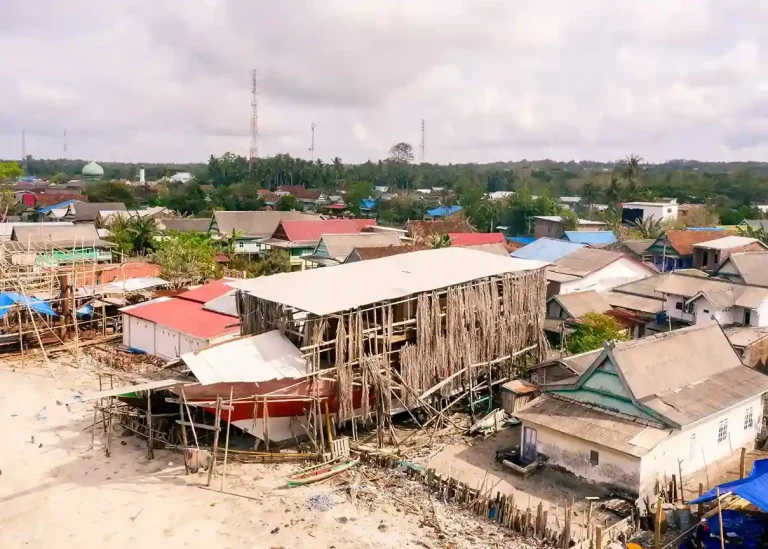
The Sulawesi–Kalimantan choice is a logistics decision wearing a heritage costume: Sulawesi yards sit at the heart of the Konjo…
Delivery, Trials & Export
Exporting a New Phinisi: Paperwork from Yard to Foreign Flag
Exporting a new phinisi runs on one document chain: builder's certificate and bill of sale establish ownership; timber legality papers…