
Costs & Pricing
Full 2027 Cost Analysis: Building a 45m Phinisi in Indonesia
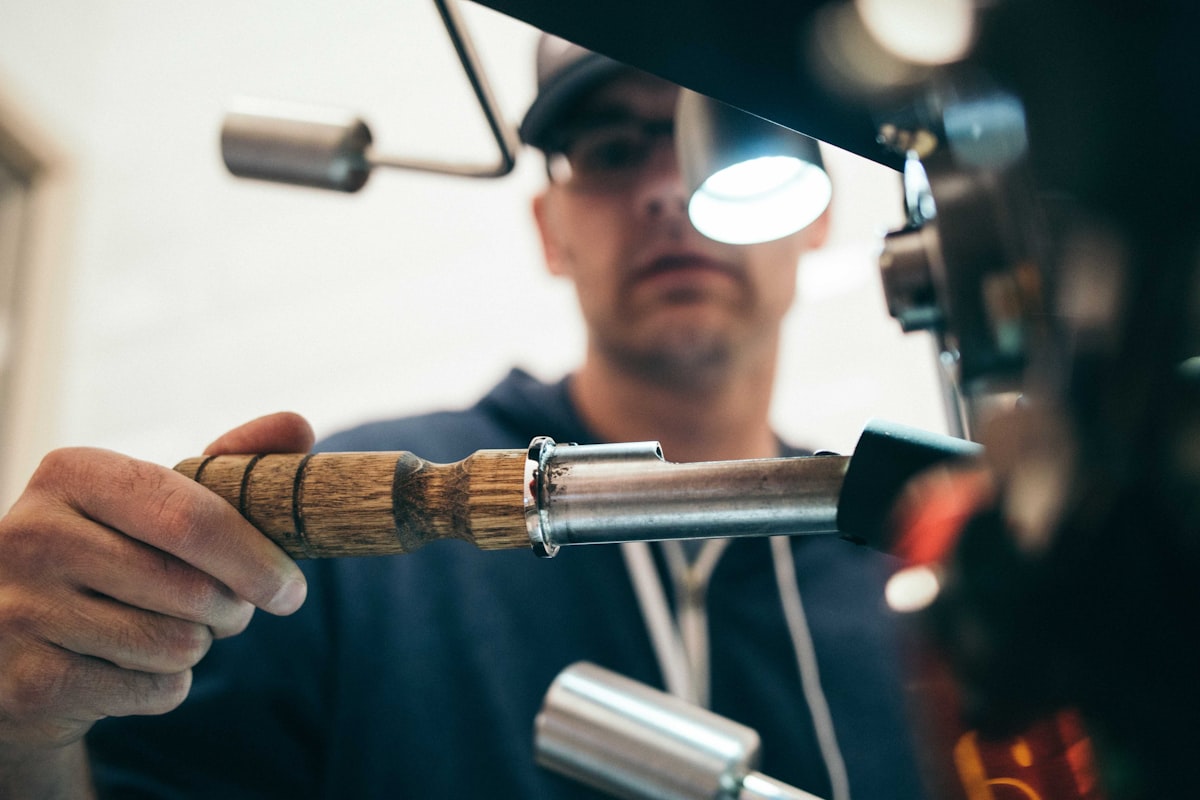
Building a 45m phinisi in Indonesia represents a substantial investment within a specialised luxury marine segment. This analysis provides a detailed breakdown of projected costs for 2027, drawing on market trends, material expenses, and labour rates within the South Sulawesi shipbuilding industry. We focus on delivering a clear, factual overview for trade buyers considering such a project.
Full 2027 Cost Analysis: Building a 45m Phinisi in Indonesia
Indonesia’s phinisi-building niche is a small but fast-growing luxury/tourism segment within the broader marine vessel market. Build prices typically range from US$0.4–10 million per boat, centred on South Sulawesi shipyards with fit-out and operations hubs in Bali, Komodo, and Raja Ampat.
Market Overview and Growth Projections (2026–2027)
The phinisi market, while niche, operates within a robust and expanding Indonesian marine vessel sector. The Indonesia Marine Vessel Market is projected to grow at a Compound Annual Growth Rate (CAGR) of 5.8% from 2026–2032. By 2027, Indonesia’s marine vessel market is forecast to achieve a growth rate of 9.63%. Concurrently, Indonesia’s construction industry, which includes shipyards, is expected to expand at an average annual rate of 5.8% from 2026 to 2029, supported by large-scale infrastructure and energy projects.
Within this expanding market, phinisis occupy a high-value, low-volume luxury and tourism segment. Yacht Style reports that more ultra-luxurious Sulawesi sailing vessels are being built than ever before, with individual shipyards often managing multiple phinisis in build concurrently for the Southeast Asia charter market. Riara Marine notes the phinisi market has evolved dramatically, moving from functional coastal use to global luxury demand, particularly for tourism and liveaboards in Komodo and Raja Ampat, as well as for overseas buyers in regions such as the Maldives and Mediterranean.
Given the vessel market growth of approximately 6–10% per year, rising luxury charter demand in Indonesia’s closed registry market, and multiple yards now building several units in parallel, a high-single-digit annual growth rate for phinisi order books in 2026–2027 is consistent with available evidence, though precise unit volumes are not published.
Typical Phinisi Price Ranges: Build and Charter
Understanding the investment required for a 45m phinisi begins with examining typical price ranges for both construction and subsequent charter operations.
Build Costs
Phinisi construction costs are highly variable, influenced by size, materials, propulsion systems, interior specifications, and luxury finishes. As a general guide:
- Small to Mid-sized Phinisis (20m-30m): US$400,000 – US$1,500,000
- Mid to Large Phinisis (30m-45m): US$1,500,000 – US$5,000,000
- Luxury Superyacht Phinisis (45m+): US$5,000,000 – US$10,000,000+
A 45m phinisi typically falls into the upper end of the mid-to-large category or the lower end of the luxury superyacht segment, depending on customisation and fit-out. For a vessel of this size, a realistic build cost in 2027 would likely range from US$3,500,000 to US$7,000,000, with bespoke luxury finishes pushing the upper limit.
Charter Rates
For context, daily charter rates for phinisis vary significantly based on size, luxury level, itinerary, and season. These rates offer an indication of potential return on investment for commercial operators:
- Mid-range Phinisis: US$2,000 – US$5,000 per day
- Luxury Phinisis (35m-45m): US$5,000 – US$15,000 per day
- Ultra-Luxury Superyacht Phinisis (45m+): US$15,000 – US$30,000+ per day
A 45m luxury phinisi operating in prime Indonesian destinations such as Komodo or Raja Ampat could command daily charter rates between US$10,000 and US$25,000, depending on the level of service, amenities, and seasonality.
Detailed Cost Components for a 45m Phinisi (2027 Estimates)
The total cost of building a 45m phinisi is a composite of several key expenditures. The following table provides an approximate breakdown:
| Cost Category | Approximate Percentage of Total Build Cost | Estimated Range for 45m Phinisi (US$) |
|---|---|---|
| Hull & Superstructure (Timber, Labour) | 30-35% | 1,050,000 – 2,450,000 |
| Main Engine & Propulsion System | 10-15% | 350,000 – 1,050,000 |
| Generators & Electrical Systems | 8-12% | 280,000 – 840,000 |
| Navigation & Communication Equipment | 5-8% | 175,000 – 560,000 |
| Interior Fit-out & Furnishings | 15-20% | 525,000 – 1,400,000 |
| Deck Equipment & Rigging | 5-7% | 175,000 – 490,000 |
| Plumbing & Sanitation Systems | 3-5% | 105,000 – 350,000 |
| Safety Equipment | 2-3% | 70,000 – 210,000 |
| Design, Naval Architecture & Project Management | 5-10% | 175,000 – 700,000 |
| Miscellaneous & Contingency | 5-10% | 175,000 – 700,000 |
| Total Estimated Build Cost | 100% | 3,500,000 – 7,000,000+ |
2027 Note on Material Costs:
In 2027, the price of high-quality tropical hardwoods such as Ulin (ironwood) and Teak, essential for phinisi construction, is projected to remain stable but at elevated levels due to sustained demand and regulated sourcing. Expect timber costs to constitute a significant portion of the initial expenditure, requiring careful procurement planning.
Key Cost Drivers Explained
- Timber: The hull and superstructure of a traditional phinisi are predominantly constructed from Ulin (ironwood) for structural integrity and Teak for decking and interiors. The cost of these hardwoods is a primary determinant of the overall build price.
- Engines and Systems: Modern phinisis are motor-sailers. The choice of main engine, generators, air conditioning, watermakers, and advanced navigation electronics significantly impacts cost. European or Japanese brands typically command higher prices but offer reliability and global service networks.
- Interior Design and Fit-out: This category covers cabins, saloon, galley, bathrooms, and crew quarters. The level of luxury, custom furniture, artisan finishes, and imported appliances directly influences this cost segment.
- Labour: Skilled phinisi shipwrights are concentrated in South Sulawesi. While Indonesian labour costs are generally lower than in Western shipyards, the specialised nature of the craft ensures fair compensation. Labour contributes substantially to hull construction, intricate joinery, and fit-out.
- Design and Naval Architecture: Engaging experienced naval architects and designers for a 45m vessel is crucial. Their fees cover structural calculations, stability analysis, general arrangement plans, and aesthetic design, ensuring both safety and functionality.
- Project Management: Overseeing a phinisi build requires dedicated project management to coordinate suppliers, labour, and regulatory compliance.
Operational Hubs and Associated Costs
While South Sulawesi remains the primary construction base, fit-out and operational hubs in Bali, Komodo, and Raja Ampat incur additional costs related to logistics, specialised finishing, and post-build outfitting. Transporting a newly built phinisi to these hubs, along with associated docking, commissioning, and final furnishing, must be factored into the overall project budget.
Financing and Investment Considerations
For trade buyers, considering a phinisi build is an investment into a luxury asset with significant commercial potential, particularly within Indonesia’s growing nautical tourism sector. Understanding the full cost analysis enables informed decision-making regarding financing, operational budgeting, and projected returns.
Manufacturing Lead Times and Supply Chain Resilience
Phinisi construction lead times are influenced by vessel size, complexity, and customisation. A 45m phinisi typically requires 18-24 months for hull construction and initial fit-out in South Sulawesi shipyards. Subsequent finishing, interior outfitting, and systems integration, often conducted in hubs like Bali, Komodo, or Raja Ampat, can add 6-12 months. This phased approach allows for specialised craftsmanship at each stage.
Our supply chain for phinisi components prioritises both local expertise and international standards. Key raw materials, such as specific timber species (e.g., Ulin, Teak), are sourced domestically from certified suppliers. Propulsion systems, navigation electronics, and luxury interior fittings are typically imported from established marine equipment manufacturers in Europe, North America, and East Asia. Phinisi Builder Indonesia maintains direct relationships with these suppliers to mitigate lead time risks and ensure component availability.
- Hull & Structure (South Sulawesi): 18-24 months
- Systems & Interior Fit-out (Bali/Komodo/Raja Ampat): 6-12 months
- Total Project Duration: 24-36 months (approximate)
Regional Specialisation and Operational Hubs
The Indonesian phinisi industry operates with distinct regional specialisations, optimising construction efficiency and operational support. South Sulawesi, particularly the Ara-Bulukumba region, remains the primary shipbuilding centre. This area possesses generations of traditional shipwright knowledge and the infrastructure for large-scale timber vessel construction.
Following initial construction, phinisis typically relocate to established operational hubs for final outfitting, crew training, and charter deployment. These hubs are strategically located near prime tourism destinations and offer access to skilled labour for interior design, marine engineering, and hospitality services.
| Region | Primary Function | Key Activities |
|---|---|---|
| South Sulawesi (Ara-Bulukumba) | Construction Hub | Hull fabrication, structural work, initial machinery installation |
| Bali | Luxury Fit-out & Operations | Interior design, luxury furnishing, systems integration, yacht management |
| Komodo & Raja Ampat | Charter & Liveaboard Operations | Crewing, provisioning, maintenance support, guest services |
This distributed model leverages regional strengths, ensuring that the traditional craftsmanship of South Sulawesi is complemented by modern luxury finishing and efficient operational management in key tourism zones. The proximity of fit-out hubs to charter markets reduces transit times and facilitates faster deployment for new vessels.
For a detailed wholesale quote or further information on building a custom phinisi, please request a wholesale quote on WhatsApp.
Continue reading: Phinisi Superyacht Builder Indonesia: What to Expect for a 2027 Custom Build · Phinisi Wooden Yacht Construction Process Indonesia: A 2027 Buyer’s Overview · Packaging Container Loading
Keep reading
More from the yard.
Uncategorized
Commissioning a Phinisi in 2026: What Komodo Charters Teach
Future owners commissioning a phinisi ask three questions more than any others: which cabin mix actually earns, what power and…
Planning & Supervision
Charter-Spec vs Private-Spec Phinisi: Build Choices That Diverge
A charter-spec phinisi is engineered around revenue: maximum guest cabins with identical quality, robust crew areas, redundant systems that protect…
Planning & Supervision
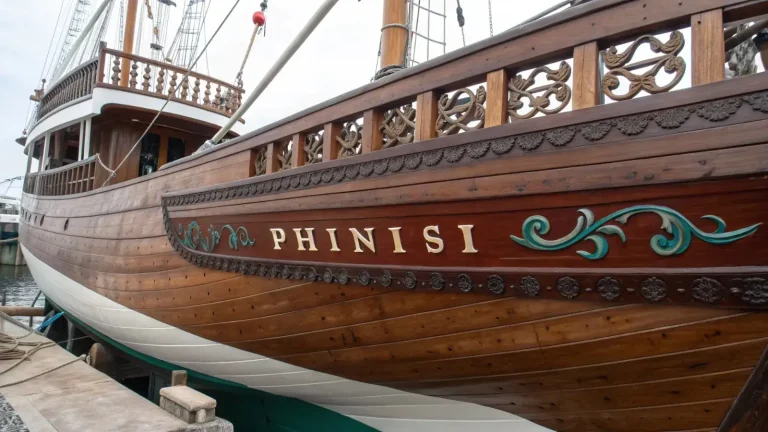
Yard Capacity in 2027: Booking Your Phinisi Build Slot Early
Serious phinisi yards enter 2027 with slipways committed twelve to eighteen months ahead: charter-fleet renewal, post-quake rebuilding demand and a…
Planning & Supervision
The Owner Visit Schedule: When to Fly In During a Build
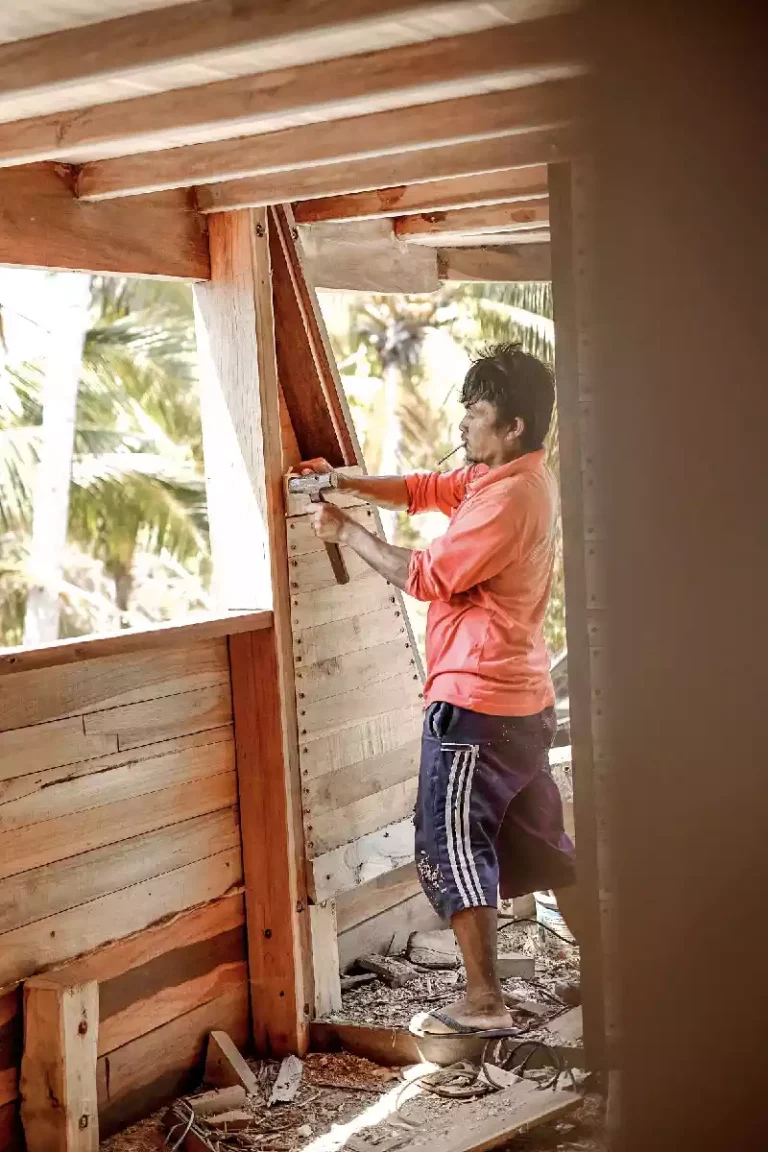
Five owner visits carry most of a build's value: contract signing and yard walk, keel-laying with the timber on site,…
Construction & Engineering
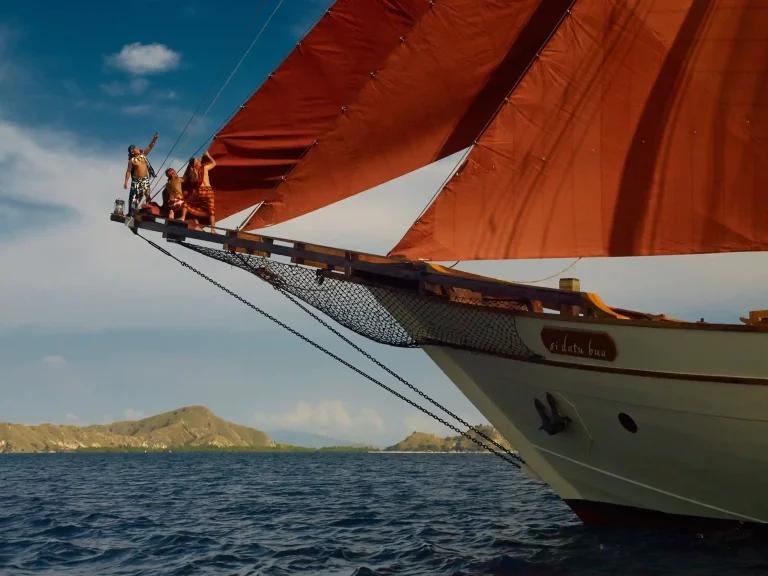
Interior Fit-Out Sequencing on a Phinisi Build
Phinisi fit-out follows one law: nothing closes until what lives behind it is installed, tested and photographed. The working sequence…
Construction & Engineering
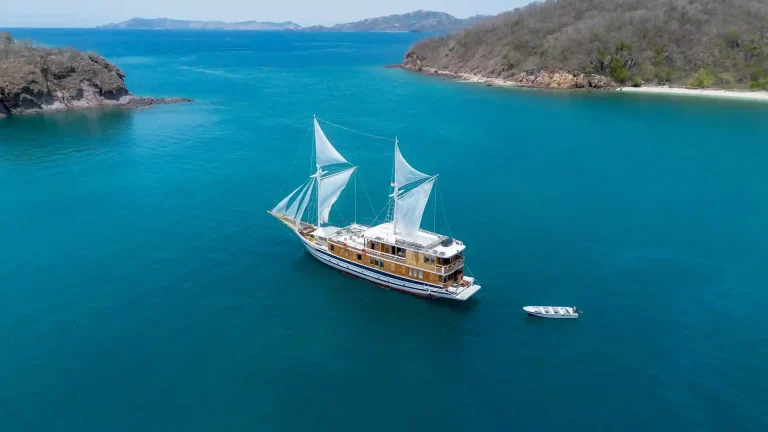
Phinisi Deck Hardware: Sourcing Winches and Fittings That Last
Phinisi deck hardware splits into load-bearing items — winches, windlass, cleats, chainplates, blocks — which must be load-rated and documented,…
Planning & Supervision
Supervising From Afar: Monthly Build Reports That Tell the Truth
A truthful monthly build report has five parts: progress against the contractual milestone table, photographs from fixed repeat vantage points,…
Planning & Supervision
Sulawesi vs Kalimantan Yards: Logistics Behind the Comparison
The Sulawesi–Kalimantan choice is a logistics decision wearing a heritage costume: Sulawesi yards sit at the heart of the Konjo…