
Delivery, Trials & Export
Exporting a New Phinisi: Paperwork from Yard to Foreign Flag
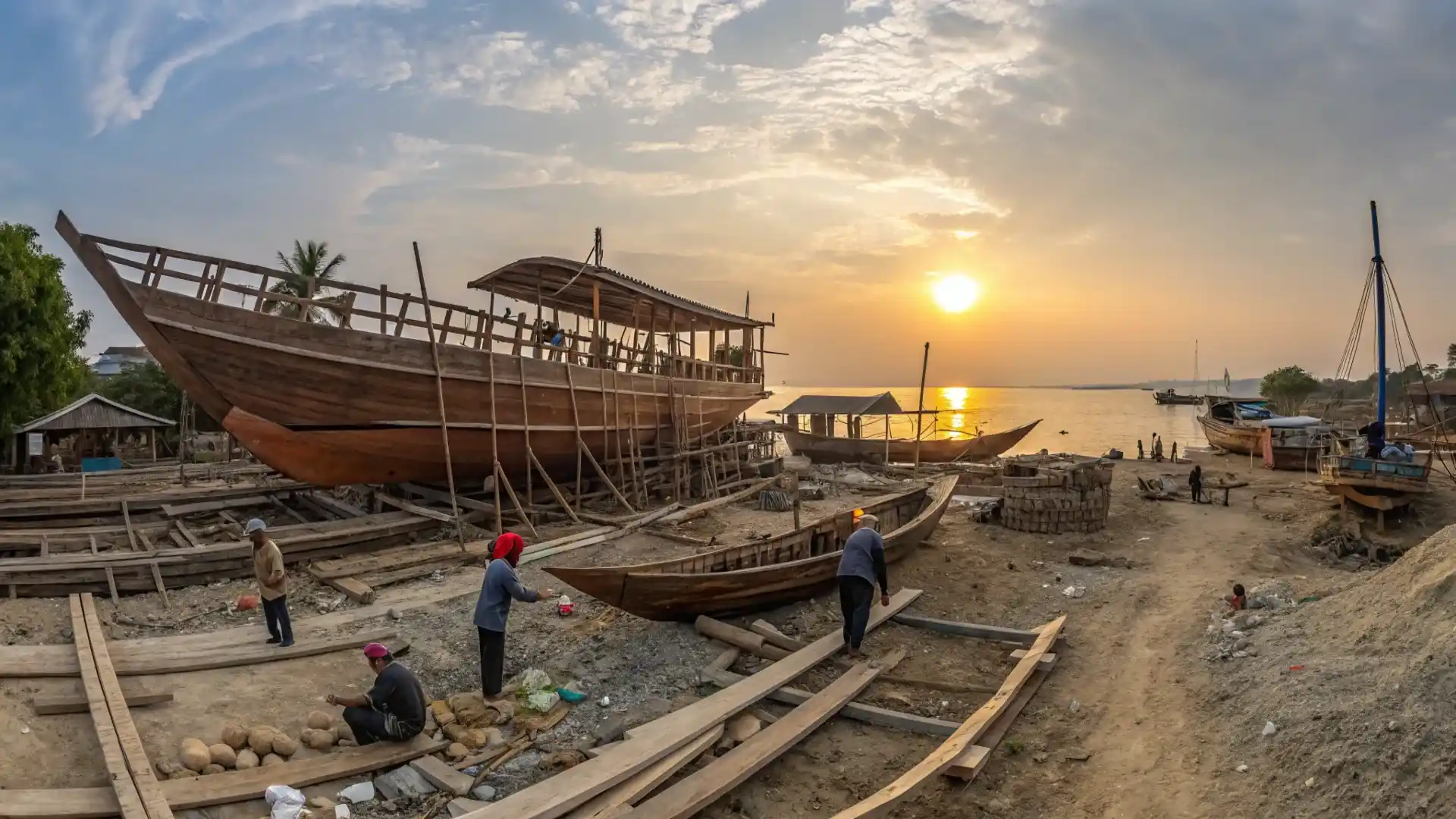
Exporting a new phinisi runs on one document chain: builder’s certificate and bill of sale establish ownership; timber legality papers prove material origin; a customs export declaration (PEB) clears the vessel out of Indonesia; and the new flag state’s registry completes the transfer. Started early, the chain takes weeks; started after launch, it can hold a finished yacht at anchor for months.
A phinisi is built in Indonesia but often lives under another flag — owners register in Malta, the Marshall Islands, Langkawi or their home states for financing, insurance or operating reasons. The vessel itself can sail away in a day; the paperwork cannot. This guide maps the chain in order, because sequence is exactly what goes wrong. It assumes the clean documentation habits built through our timber legality guide and sea-trial protocol.
The Ownership Foundation: Builder’s Certificate and Bill of Sale
Every registry begins with proof the vessel exists and belongs to you. The builder’s certificate — yard letterhead, hull identification, principal dimensions, build dates, first owner — must match the contract and the measured vessel exactly; registries bounce on centimetre discrepancies between certificate and tonnage survey. Alongside it: a notarised bill of sale from yard to owner (or confirmation of direct build-to-owner title), your build contract, and the staged-payment ledger proving consideration. Names must be consistent to the letter across every document — the owning entity in the contract, certificate, bill of sale and flag application must be the same entity, not “you” in one and your holding company in another. Structuring ownership entities is a decision for before keel-laying, touched on in our financing and investment guide.
Clearing Indonesia: Customs and Deregistration
A new vessel leaving permanently is an export of goods: your agent files a PEB (export declaration) with supporting invoice, packing data and the builder’s certificate. Two Indonesian threads must resolve first. Material legality: customs can query timber origin on a wooden vessel — the SVLK-traceable file you built during construction answers in a day; its absence starts a correspondence you do not want. Registration status: if the vessel was entered on the Indonesian registry (Pas Besar/Grosse Akta) for trials or interim operation, it must be formally deregistered with a deletion certificate before a foreign registry will accept it — registries will not double-flag. Use a licensed customs broker (PPJK) in the port of departure; this is their daily work, priced modestly against everything the vessel represents.
The Foreign Flag Side
Registries want the same core file: application, proof of ownership chain, deletion certificate or confirmation of no prior registry, tonnage measurement by a recognised surveyor, and — for commercial operation — class or flag-state safety certification appropriate to the vessel’s trading category. Wooden traditional builds fit different registries differently: some flags handle character vessels with surveyor-based pragmatism, others force square modern pegs onto round traditional holes. Choose the flag against your operating plan — private cruising, foreign charter, or return to Indonesian charter work, which changes everything, since Indonesian-flag commercial operation has its own cabotage logic covered in our commercial construction guide. Appoint the tonnage surveyor early; measurement can happen at the yard before departure.
Taxes, Timing and the Delivery Voyage
Take proper advice on the tax seams: export of goods, VAT treatment of the build, import duties waiting at the destination flag or first port. These are planning items, not surprises — the same discipline as the rest of your contract architecture. For the voyage itself: the vessel needs insurance naming the delivery, crew documents matching the flag’s manning expectations, and clearance papers for each state en route. Sequence everything backward from your intended departure window — monsoon seasons do not wait for registries, and a complete file lodged six weeks early beats a perfect file lodged late.
Frequently Asked Questions
How long does the full export chain take?
With documents prepared during the build: four to eight weeks from trials to cleared departure, much of it running in parallel. Starting cold after launch: three to six months is common, dominated by reconstructing timber files and correcting name mismatches across documents.
Can I keep the phinisi under Indonesian flag instead?
Yes — and if the vessel will charter commercially in Indonesian waters, you generally must: cabotage rules reserve domestic commercial operation for Indonesian-flag, Indonesian-owned vessels, typically via a local entity. Many foreign owners run exactly that structure. Export and reflag is the path for vessels leaving Indonesian operation.
Does the yard handle export paperwork?
Yards produce the builder’s certificate and technical data, and the good ones have done the dance before — but the export is legally yours. Appoint your own customs broker and, for the flag side, a registration agent for the chosen registry. Let the yard support, not drive.
What single document causes the most delays?
The deletion certificate where interim Indonesian registration existed — because deregistration has its own prerequisites, including clearing any recorded encumbrances. Second place: builder’s certificates whose dimensions disagree with the tonnage survey. Both are avoidable with a document audit at trials stage.
Do I need an export licence for a traditional wooden vessel?
The vessel itself exports as declared goods under the PEB rather than a special licence, but its timber content is why legality documentation matters: wooden vessels can face origin queries that steel hulls never see. A complete SVLK-traceable file, assembled consignment by consignment during the build, is what turns that query into a same-day answer.
We coordinate export files, brokers and flag agents for completed builds. Request export support, WhatsApp +62 811 3941 4563, or email [email protected].
Keep reading
More from the yard.

Uncategorized
Commissioning a Phinisi in 2026: What Komodo Charters Teach
Future owners commissioning a phinisi ask three questions more than any others: which cabin mix actually earns, what power and…
Planning & Supervision
Charter-Spec vs Private-Spec Phinisi: Build Choices That Diverge
A charter-spec phinisi is engineered around revenue: maximum guest cabins with identical quality, robust crew areas, redundant systems that protect…
Planning & Supervision
Yard Capacity in 2027: Booking Your Phinisi Build Slot Early
Serious phinisi yards enter 2027 with slipways committed twelve to eighteen months ahead: charter-fleet renewal, post-quake rebuilding demand and a…
Planning & Supervision
The Owner Visit Schedule: When to Fly In During a Build
Five owner visits carry most of a build's value: contract signing and yard walk, keel-laying with the timber on site,…
Construction & Engineering
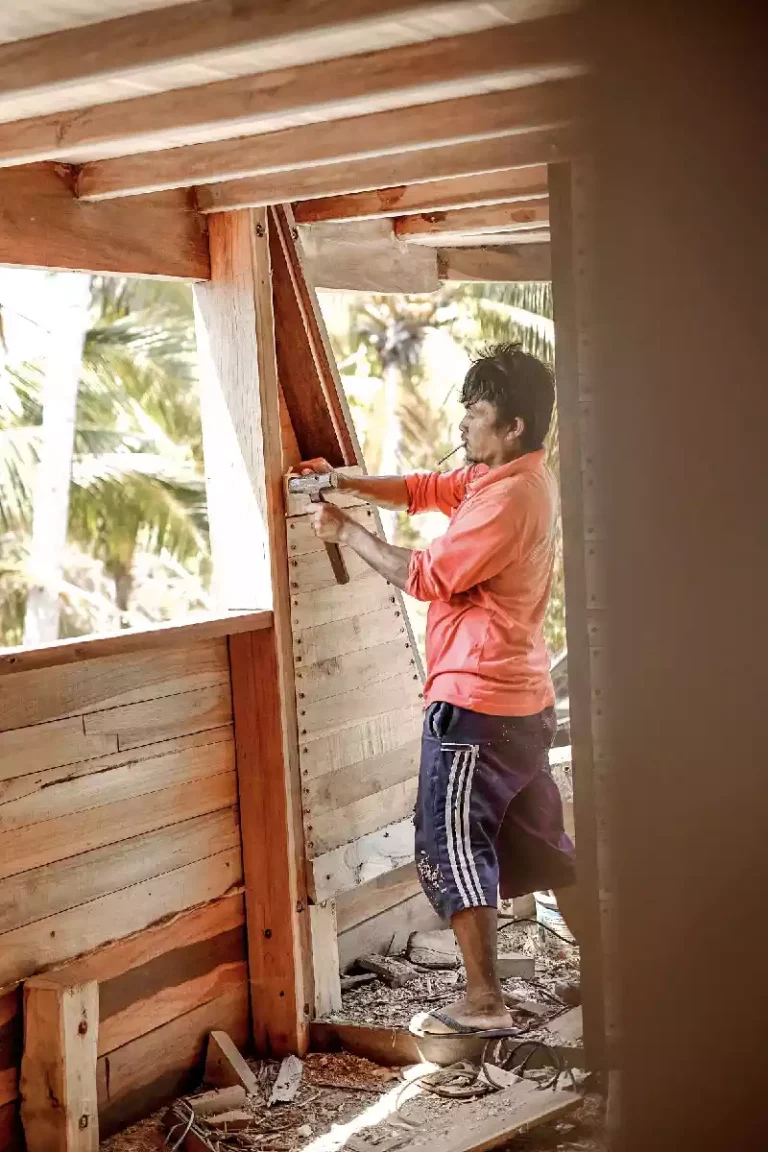
Interior Fit-Out Sequencing on a Phinisi Build
Phinisi fit-out follows one law: nothing closes until what lives behind it is installed, tested and photographed. The working sequence…
Construction & Engineering
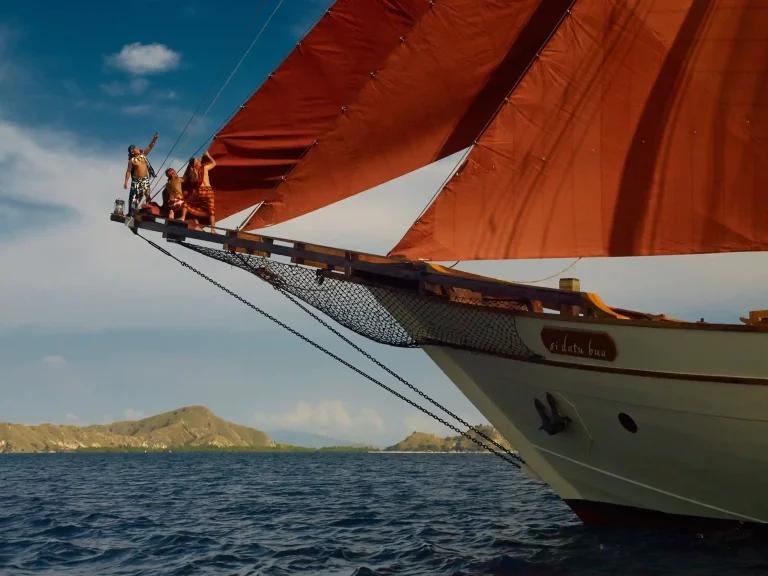
Phinisi Deck Hardware: Sourcing Winches and Fittings That Last
Phinisi deck hardware splits into load-bearing items — winches, windlass, cleats, chainplates, blocks — which must be load-rated and documented,…
Planning & Supervision
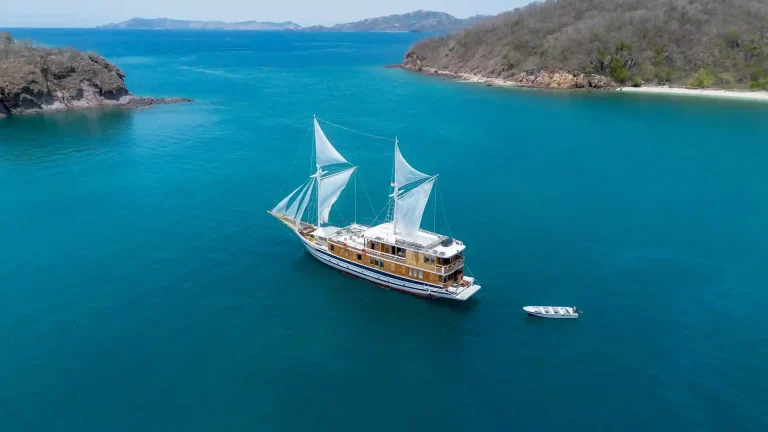
Supervising From Afar: Monthly Build Reports That Tell the Truth
A truthful monthly build report has five parts: progress against the contractual milestone table, photographs from fixed repeat vantage points,…
Planning & Supervision
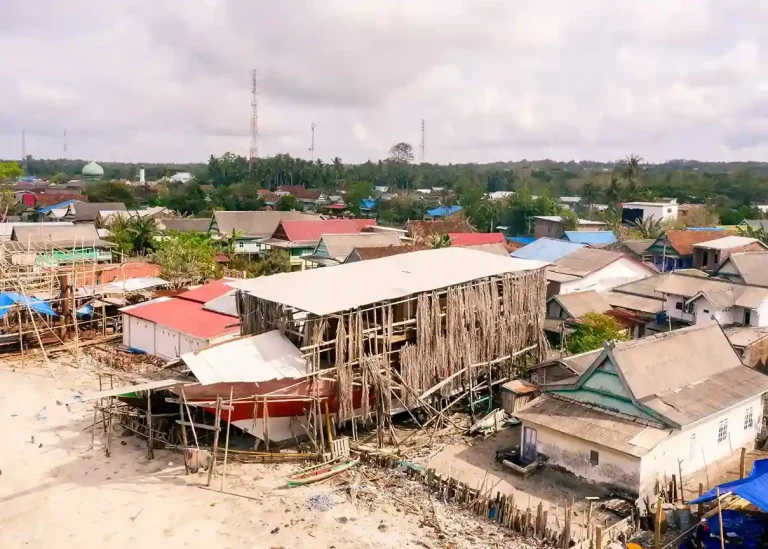
Sulawesi vs Kalimantan Yards: Logistics Behind the Comparison
The Sulawesi–Kalimantan choice is a logistics decision wearing a heritage costume: Sulawesi yards sit at the heart of the Konjo…