
Delivery, Trials & Export
Sea Trial Protocols for Newly Launched Phinisi
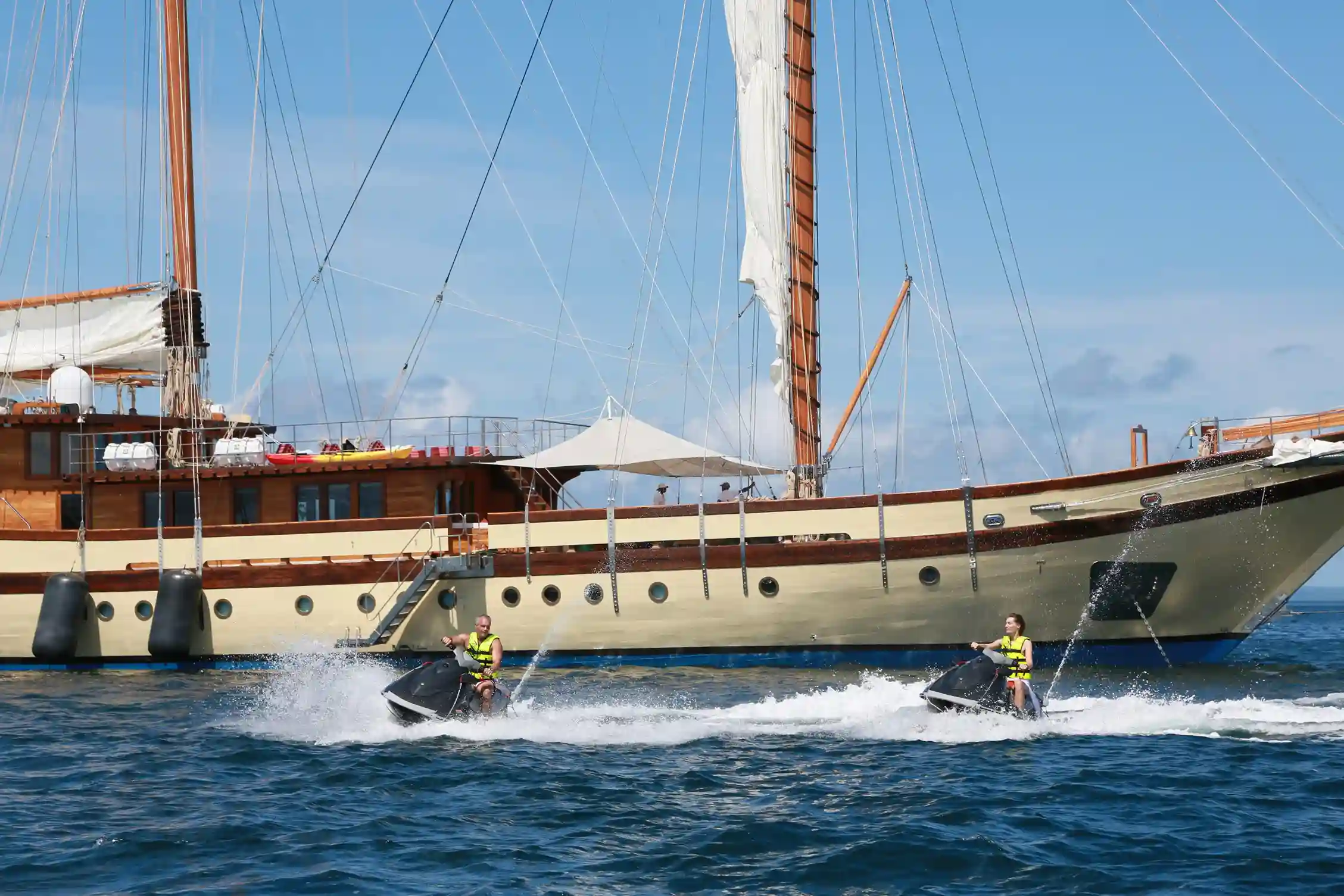
A proper phinisi sea trial is a staged protocol, not a celebratory cruise: 72 hours of dock trials and leak watch, then progressive runs testing engine loading, steering, anchoring, rig and systems against written acceptance criteria, with every reading logged and every defect classified before the final payment releases. Budget three to five working days on the water.
Launch day photographs are wonderful; they are also the moment your leverage begins to expire. Between launch and handover sits the only window where the yard’s best crew is still assembled, the defect list is contractual, and the retention payment is unspent. A written trial protocol converts that window into a working instrument — the final gate of the design-to-delivery process.
Stage One: Dock Trials and the 72-Hour Leak Watch
Newly launched wooden hulls take up: planking swells and seams close over the first days afloat. Bilge inflow should trend visibly toward minimal seepage within 72 hours — log bilge-pump cycle counts per watch, because “she is taking up normally” becomes measurable that way. Alongside the leak watch, run dock trials: every pump, light, valve and breaker; generator load steps to full rating; watermaker commissioning; steering hard-over to hard-over under power with rudder-stock inspection; anchor windlass under real chain load; and engine runs against mooring lines to check alignment readings and mount behaviour. Fifty defects found at the dock are normal on a handcrafted vessel. That is what the list is for.
Stage Two: Progressive Sea Runs
Structure water days from gentle to demanding. Day one: sheltered-water run at ascending engine loads — 50%, 70%, then cruise rpm held for two hours — logging temperatures, oil pressures, shaft-gland drip and fuel burn against the distributor’s curves; steering response and autopilot commissioning; compass swing. Day two: full-load endurance including a sustained run at maximum continuous rating, crash-stop and emergency steering drills, anchoring cycles in honest depths, and thruster performance. Day three: rig day — sails set and trimmed on all points in a working breeze, sighting spars under load, winches and cleats proving their anchorages, the checks foreshadowed in our masts and rigging guide. Night systems, navigation lights and radar deserve one evening run; charter vessels live at anchor after dark.
What Gets Measured Gets Fixed
Bring a printed template to every trial day and fill it in ink, with the same officer recording throughout: rpm against speed over ground both directions on a measured stretch; engine and gearbox temperatures at each load step; alignment and vibration notes at cruise; electrical loads with everything hotel-critical running; tank soundings before and after for true burn; steering lock-to-lock times; anchor retrieval rate; noise levels in guest cabins at cruise rpm — a number charter operators care about deeply. Photograph gauges rather than transcribing from memory, and repeat the measured-mile runs in both directions to cancel current before you accept any speed claim. This log becomes the vessel’s birth certificate: the baseline every future surveyor, insurer and charterer measures drift against, and the evidence pack your defect liability period relies on if arguments surface later.
Defects, Classification and Sign-Off
Classify everything found: Category A stops acceptance (safety, watertight integrity, propulsion, steering); Category B must be cured within a stated period, with retention held against it; Category C is cosmetic, listed with a completion date. Resist the yard-town tradition of settling the list over a handshake dinner — write, sign, date. Acceptance itself should be conditional on: all Category A closed, B items costed with retention cover, trial log complete, stability documentation delivered, and the document package from our export paperwork guide begun. Only then does the final tranche of the disbursement map move.
Frequently Asked Questions
Who should attend sea trials?
The yard principal and lead shipwright, your owner’s representative or surveyor, the engine distributor’s commissioning technician, your intended captain, and you. The captain’s attendance matters most for the years ahead — nobody else will live with the vessel’s habits daily.
How long after launch should trials start?
After the take-up period settles — typically one to two weeks afloat — and after dock trials complete. Trialling a hull still weeping through closing seams muddies every bilge observation and wastes the engine day on pump management.
What sea conditions are appropriate for trials?
Moderate, honest conditions: 10–18 knots of breeze for rig work, some sea for motion observation. Glass-calm trials prove little; neither does sending a green crew into 30 knots. Reschedule rather than tick boxes in the wrong weather — the schedule pressure at this stage is exactly why the protocol exists.
Can trials be combined with the delivery voyage?
No. A delivery voyage with guests’ bunks full of provisioning is not a controlled test, and defects found mid-delivery have no yard crew nearby to fix them. Trial near the yard, close the list, then deliver — the delivery becomes the shakedown confirmation, not the discovery run.
What paperwork should trials produce for insurers?
Three artefacts: the completed trial log with measured runs and machinery readings, the signed defect classification with cure dates, and the stability and inclining documentation where required. Underwriters moving the vessel from builder’s risk to marine hull cover ask for exactly these, and a clean trials file measurably eases both placement and premium on a new wooden vessel.
We attend and run trial protocols for owners across Indonesian yards. To have your acceptance criteria drafted before launch, request a consultation, WhatsApp +62 811 3941 4563, or email [email protected].
Keep reading
More from the yard.

Uncategorized
Commissioning a Phinisi in 2026: What Komodo Charters Teach
Future owners commissioning a phinisi ask three questions more than any others: which cabin mix actually earns, what power and…
Planning & Supervision
Charter-Spec vs Private-Spec Phinisi: Build Choices That Diverge
A charter-spec phinisi is engineered around revenue: maximum guest cabins with identical quality, robust crew areas, redundant systems that protect…
Planning & Supervision
Yard Capacity in 2027: Booking Your Phinisi Build Slot Early
Serious phinisi yards enter 2027 with slipways committed twelve to eighteen months ahead: charter-fleet renewal, post-quake rebuilding demand and a…
Planning & Supervision
The Owner Visit Schedule: When to Fly In During a Build
Five owner visits carry most of a build's value: contract signing and yard walk, keel-laying with the timber on site,…
Construction & Engineering
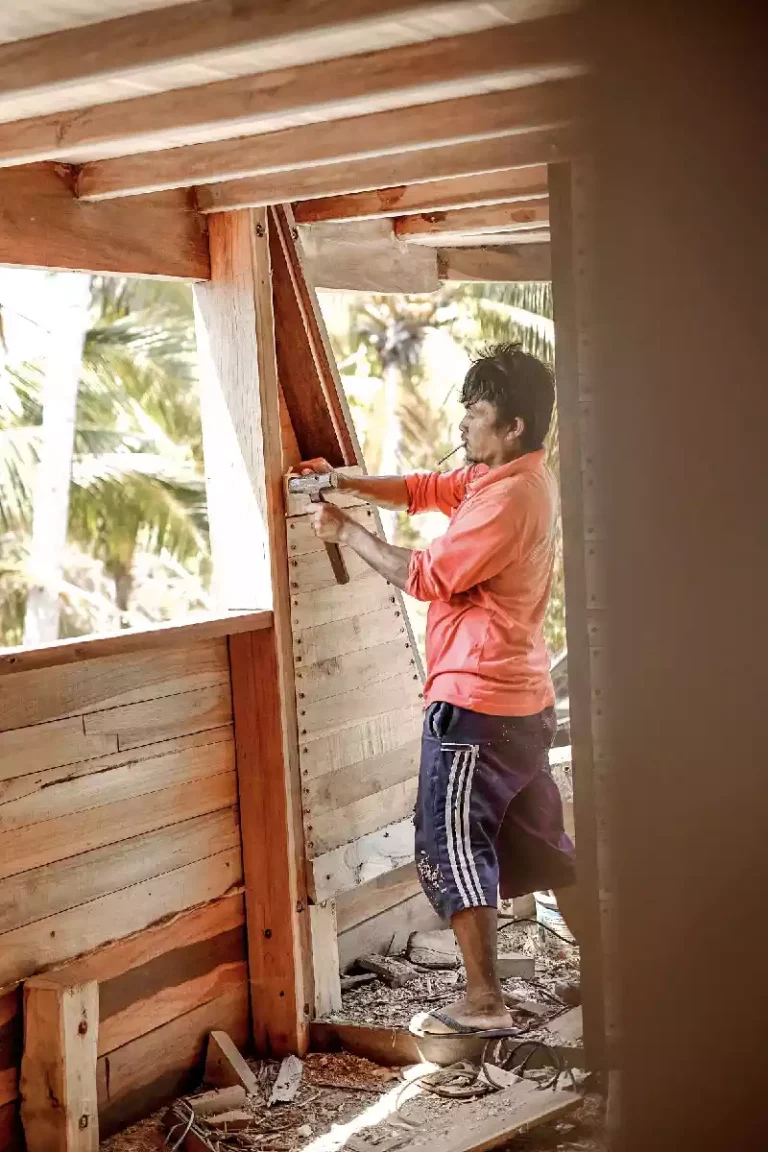
Interior Fit-Out Sequencing on a Phinisi Build
Phinisi fit-out follows one law: nothing closes until what lives behind it is installed, tested and photographed. The working sequence…
Construction & Engineering
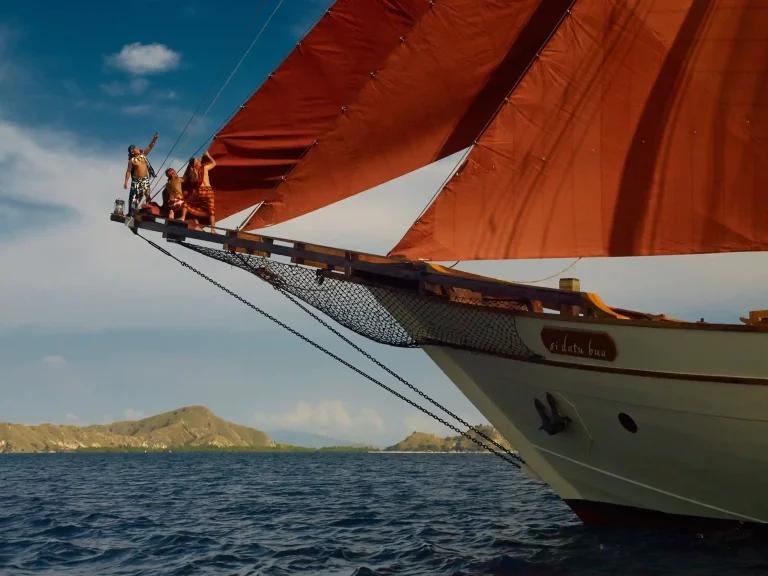
Phinisi Deck Hardware: Sourcing Winches and Fittings That Last
Phinisi deck hardware splits into load-bearing items — winches, windlass, cleats, chainplates, blocks — which must be load-rated and documented,…
Planning & Supervision
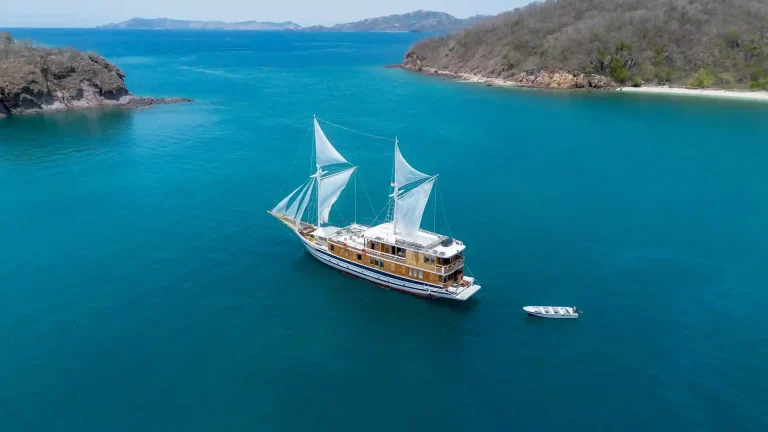
Supervising From Afar: Monthly Build Reports That Tell the Truth
A truthful monthly build report has five parts: progress against the contractual milestone table, photographs from fixed repeat vantage points,…

Planning & Supervision
Sulawesi vs Kalimantan Yards: Logistics Behind the Comparison
The Sulawesi–Kalimantan choice is a logistics decision wearing a heritage costume: Sulawesi yards sit at the heart of the Konjo…