
Contracts & Payments
Defect Liability Periods: Your Rights After Phinisi Delivery
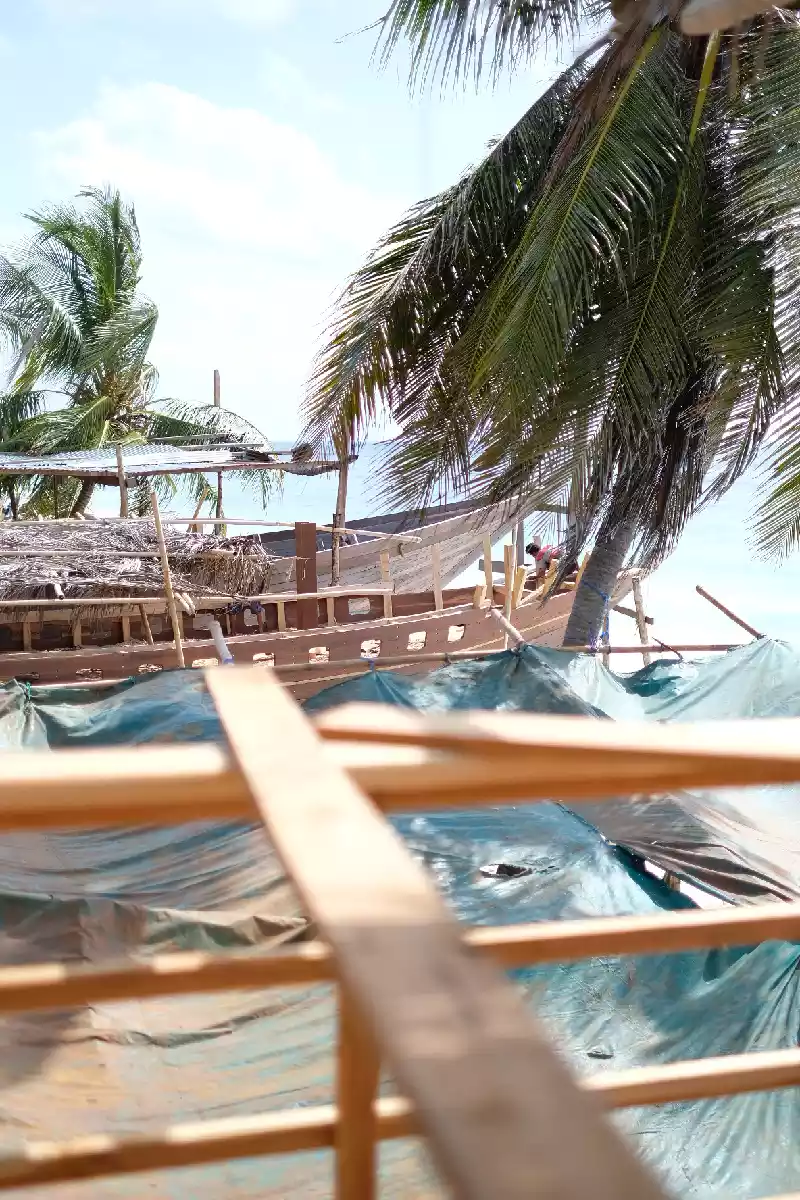
A defect liability period (DLP) is the contractual window — six to twelve months after handover for Indonesian phinisi builds — in which the yard must remedy defects in workmanship and materials at its own cost. It works only when the contract defines what counts as a defect, how claims are notified, who pays for haul-out, and what money or retention secures performance.
New wooden vessels reveal themselves in the first year: seams settle, joinery moves through its first full wet-dry cycle, systems shake down under real loads. Some of what appears is normal behaviour; some is defective work. The DLP clause is how a contract separates the two without a courtroom, and it is routinely the least-negotiated paragraph in the agreements we review — a gap this guide closes, building on the acceptance evidence created by your sea-trial protocol.
Duration and Scope That Fit Wooden Construction
Twelve months is the right ask for structure and six months the common floor for systems, because a hull needs one full seasonal cycle — wet season swelling, dry season shrinkage — to show its joinery honestly. Scope should name categories rather than generalities: watertight integrity of hull and decks; structural joints and fastenings; machinery installation (the machinery itself carries the manufacturer’s warranty); electrical and plumbing workmanship; and coatings adhesion. Exclude fair wear, damage from operation outside stated limits, and owner-supplied equipment — legitimate exclusions that honest yards need. What must never be excluded: defects that were latent at handover, meaning problems a reasonable inspection could not have found. Latent-defect language is exactly what protects you when a fastener pattern proves short two years of galvanic life.
The Claim Procedure Decides Whether Rights Are Real
Write a four-step procedure into the contract. Notification: defects reported in writing with photographs within a stated window of discovery — fourteen days is fair. Response: the yard answers with a remedy proposal within fourteen days. Cure: remedy executed within an agreed period, at the yard or, where the vessel operates far away, by approved third parties at yard cost — a clause that matters enormously once your phinisi is running Komodo charters six hundred miles from its slipway. Escalation: unresolved claims convert to a costed deduction against retention or proceed to the arbitration forum named in the build contract. Without step three’s third-party provision, a DLP quietly requires you to sail back to Sulawesi for every weeping seam, which is no right at all.
Money Makes Warranties Work
A DLP secured by goodwill is a letter to Santa. Three security structures function in Indonesia: a retention of 5% held through the period (cleanest); a staged release — half at handover, half at DLP expiry; or a bank guarantee for larger projects, though smaller yards struggle to provide one. Pair the money with a mid-period inspection: a one-day survey at month five or six, producing a consolidated defect list while budget and obligation both still exist. Owners who skip that inspection typically arrive at DLP expiry with an anecdote list instead of a claim file. Your owner’s representative or surveyor is the natural author of it.
Wooden-Boat Realities: What Is Not a Defect
Fairness cuts both ways, and knowing the difference protects the relationship you will want for future refits. Hairline checking in massive timbers, minor seam weeping in the first weeks afloat, patina on traditional hardware and small joinery movement are behaviour, not breach. A caulked hull that needs a seam payed after its first season is normal; a hull whose fastenings back out is not. Interior finishes moving with humidity is expected; delaminating sheathing is a claim, per the standards in our sheathing guide. Contracts that acknowledge this honestly get signed faster and honoured better — the same principle of written realism that runs through our project management services.
Liability terms cover defects after delivery; for loss events before launch, see how insuring a phinisi on the slipway protects the hull while it is still on the blocks.
Frequently Asked Questions
Does the DLP cover the engine and generators?
Installation workmanship, yes — alignment, mounts, wiring, plumbing. The machinery itself is covered by the manufacturer’s warranty, which is why buying engines through authorised Indonesian distributors matters: it keeps warranty service reachable during your DLP rather than a shipping negotiation away.
What happens if the yard closes or refuses to honour the DLP?
Retention money is your practical remedy — it funds third-party repair without consent. This is why security structure outranks clause elegance: a beautifully drafted warranty against an empty account recovers nothing. Legal escalation through BANI arbitration works but should be the path for large claims only.
Can the DLP be extended for remedied defects?
Yes, and it should be: any item remedied under the DLP restarts its own liability period — six months on the repair is standard. Otherwise a failed fix in month eleven expires with the clock. Put the restart language in explicitly; it is rarely offered voluntarily.
Is a longer DLP worth paying extra for?
Rarely. Beyond twelve months, causation arguments (defect versus maintenance) swamp the added coverage. Better value: a tight latent-defects clause, the third-party cure provision, and a funded retention. Those three convert modest duration into real protection.
Should the DLP survive if I sell the vessel during the period?
Negotiate assignability: a clause letting the DLP transfer to a buyer preserves real value in an early resale, and yards generally accept it because the obligation itself is unchanged. Without assignment language the warranty is personal to you and dies at the bill of sale — a detail sophisticated buyers’ surveyors check early in negotiations.
We review DLP clauses and run mid-period surveys for owners across the fleet. Request a contract review, WhatsApp +62 811 3941 4563, or email [email protected].
Keep reading
More from the yard.

Uncategorized
Commissioning a Phinisi in 2026: What Komodo Charters Teach
Future owners commissioning a phinisi ask three questions more than any others: which cabin mix actually earns, what power and…

Planning & Supervision
Charter-Spec vs Private-Spec Phinisi: Build Choices That Diverge
A charter-spec phinisi is engineered around revenue: maximum guest cabins with identical quality, robust crew areas, redundant systems that protect…

Planning & Supervision
Yard Capacity in 2027: Booking Your Phinisi Build Slot Early
Serious phinisi yards enter 2027 with slipways committed twelve to eighteen months ahead: charter-fleet renewal, post-quake rebuilding demand and a…
Planning & Supervision
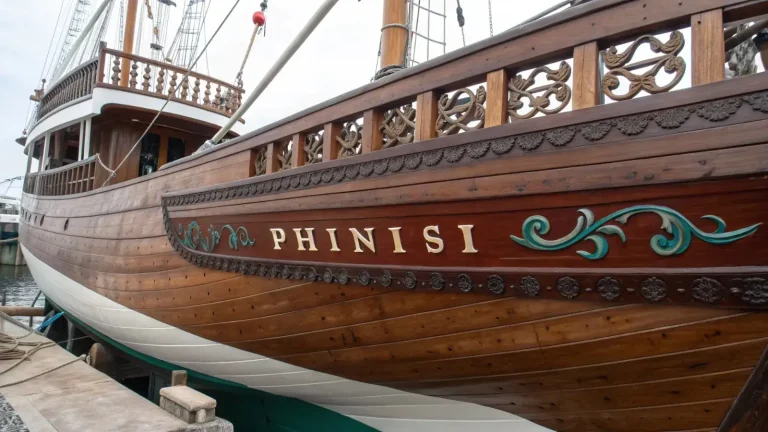
The Owner Visit Schedule: When to Fly In During a Build
Five owner visits carry most of a build's value: contract signing and yard walk, keel-laying with the timber on site,…
Construction & Engineering
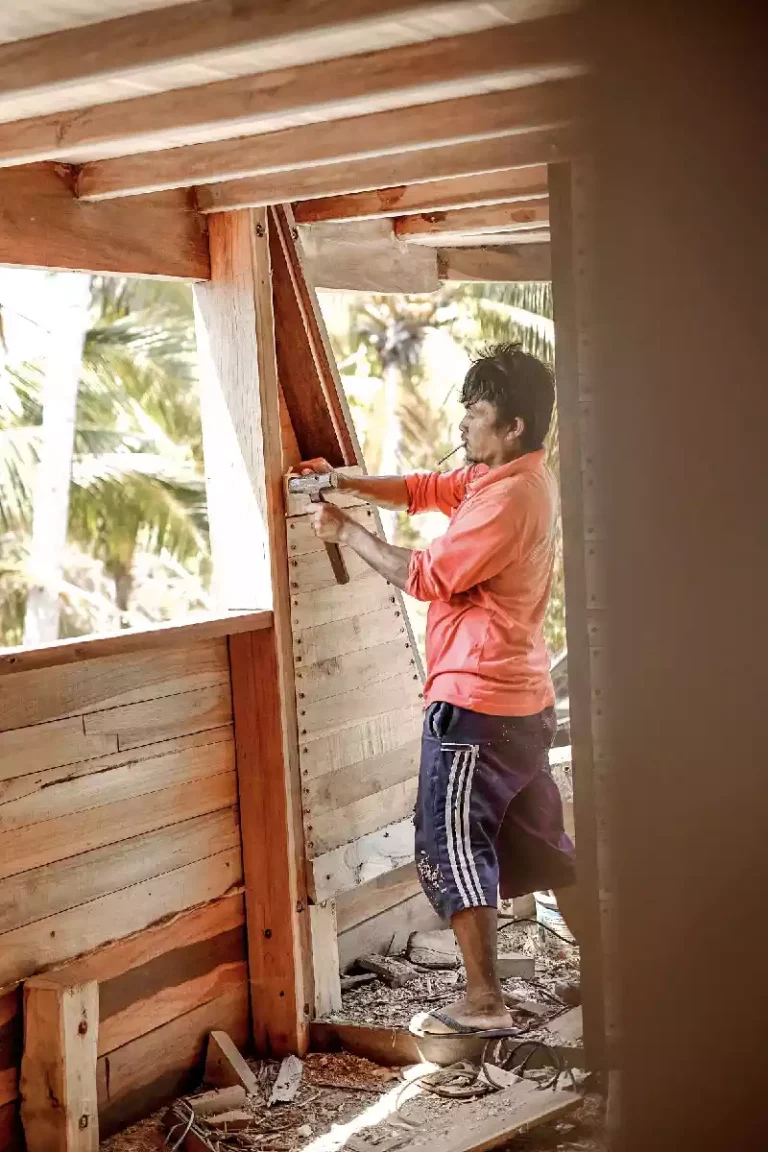
Interior Fit-Out Sequencing on a Phinisi Build
Phinisi fit-out follows one law: nothing closes until what lives behind it is installed, tested and photographed. The working sequence…

Construction & Engineering
Phinisi Deck Hardware: Sourcing Winches and Fittings That Last
Phinisi deck hardware splits into load-bearing items — winches, windlass, cleats, chainplates, blocks — which must be load-rated and documented,…

Planning & Supervision
Supervising From Afar: Monthly Build Reports That Tell the Truth
A truthful monthly build report has five parts: progress against the contractual milestone table, photographs from fixed repeat vantage points,…

Planning & Supervision
Sulawesi vs Kalimantan Yards: Logistics Behind the Comparison
The Sulawesi–Kalimantan choice is a logistics decision wearing a heritage costume: Sulawesi yards sit at the heart of the Konjo…