
Planning & Supervision
Hiring an Owner’s Representative for Your Phinisi Build
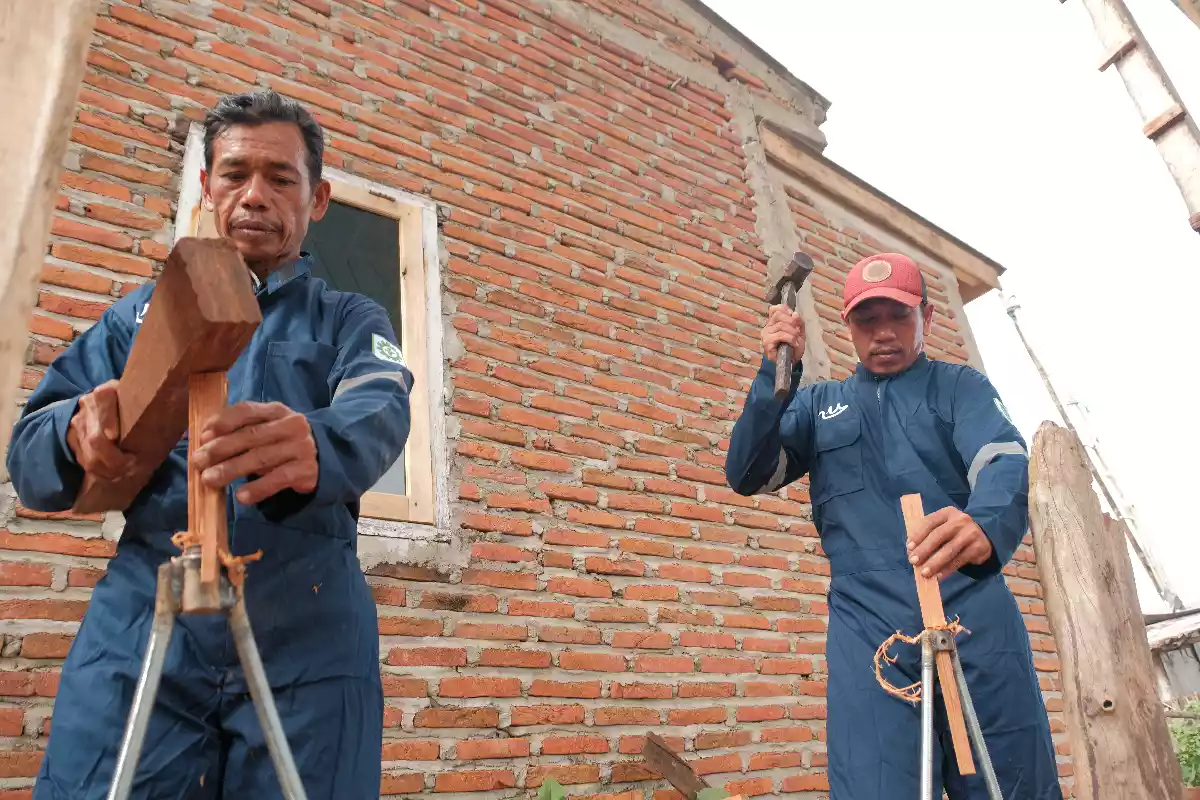
An owner’s representative is your paid eyes at the yard: a marine professional who verifies milestones, checks materials against the specification, and reports monthly with photographs and measurements. On Indonesian phinisi builds expect USD 800–2,500 per month depending on residency and scope — typically 2%–4% of project value, and the single best insurance a remote owner can buy.
Traditional phinisi construction runs on the master builder’s memory and intuition rather than drawings. That system produces beautiful, seaworthy hulls — and it also means nobody at the yard is documenting deviations from your specification unless you put someone there to do it. If you cannot visit Sulawesi or Kalimantan every few weeks, an owner’s representative closes the distance. This role pairs with, not replaces, the milestone verification built into your payment disbursement map.
What the Role Actually Covers
A competent representative on a wooden yacht build handles six things: verifying each contractual milestone before you pay; checking timber species, moisture and scantlings against the annex; witnessing critical operations (keel scarfs, floor fastenings, engine alignment, tank tests); maintaining the defects and queries register; managing the photographic record to evidence standards; and being the polite, persistent human interface with the yard principal. What the role is not: a project manager who directs the yard, or a designer who changes the spec. Keep authority lines clean — the rep observes and reports; you decide; the yard executes. For the full supervision picture, see our page on phinisi project management in Indonesia.
Resident, Visiting or Hybrid
Three engagement models work in Indonesia. A resident rep lives in the yard town for the build’s duration — strongest coverage, at USD 1,800–2,500 monthly plus accommodation, justified above USD 700,000 of contract value or on aggressive schedules. A visiting rep flies in for milestone weeks, ten to fourteen visits across a build, at USD 400–700 per visit day plus travel. The hybrid — a trusted local marine professional on retainer with a foreign surveyor at four key milestones — is the value sweet spot for most 30–40 m projects, and the model we most often structure for clients comparing yards across regions in our Sulawesi vs Lombok builder comparison.
Vetting Candidates Without Getting Burned
Demand three things in writing. First, project references from at least two completed wooden vessel builds in Indonesia, with owner contacts you may call — fibreglass-only experience translates poorly to caulked ironwood hulls. Second, independence: the rep must declare any past employment or commission arrangement with your yard; a rep the yard recommends is a yard employee in practice. Third, a sample monthly report from a previous engagement, redacted as needed. Read that sample hard: you want measurements, moisture readings and fastener counts, not adjectives. Agree the fee structure in the same letter — a flat monthly retainer with travel at cost beats percentage arrangements, which quietly reward a longer build. Language matters — Bahasa Indonesia is essential and Konjo or Bugis is a genuine bonus in Sulawesi yard towns.
The Reporting Rhythm That Keeps Projects Honest
Fix the cadence in the engagement letter: a structured monthly report plus a short note within 48 hours of any critical operation. Each monthly report should carry progress against the milestone table, a dated photo set from repeat vantage points, materials received with legality paperwork, the defects register with ageing, and a rolling two-month look-ahead flagging decisions you owe the yard. We unpack the format in monthly build reports that tell the truth. Cross-check the rep’s report against the yard’s own invoice narrative each month — divergence between those two documents is your earliest warning system.
Even with a representative on site, your own presence matters at key gates — our owner visit schedule maps exactly when to fly in.
Frequently Asked Questions
Can my Indonesian yard’s own foreman act as owner’s representative?
No. However honest the foreman, he answers to the yard’s cash flow, not your specification. The role’s value is independence. Yards used to foreign clients understand this and generally cooperate well with a professional third-party rep.
When should the representative’s engagement start?
Before the first payment, ideally during contract drafting — a good rep will tighten your milestone definitions and timber annex at the moment fixes cost the least. Starting at keel-laying means the timber procurement stage, where much of the money moves, went unwatched.
Does an owner’s rep replace the independent surveyor?
They complement each other. The rep provides continuity and context; the surveyor provides formal certificates your insurer and lender recognise. On mid-size builds many owners use the rep monthly and the surveyor at four or five payment-critical milestones.
What authority should the rep have to stop work?
None unilaterally, except a safety hold on operations that would conceal a defect — closing planking over an unapproved repair, for example. Give the rep a 24-hour hold right pending your decision, written into the build contract so the yard has agreed to it in advance.
How do I brief a new representative in the first week?
Hand over four documents: the signed contract with milestone table, the specification annexes, the payment ledger to date, and the photo-point plan. Then walk the yard together once, introducing the rep to the master builder under your authority. A representative briefed on paper but never introduced in person starts with half the standing and takes months to earn the rest — a costly, avoidable handicap.
We maintain a vetted bench of representatives and surveyors across Sulawesi, Kalimantan and Bali. To be matched with one for your project, request an introduction, WhatsApp +62 811 3941 4563, or email [email protected].
Keep reading
More from the yard.

Uncategorized
Commissioning a Phinisi in 2026: What Komodo Charters Teach
Future owners commissioning a phinisi ask three questions more than any others: which cabin mix actually earns, what power and…

Planning & Supervision
Charter-Spec vs Private-Spec Phinisi: Build Choices That Diverge
A charter-spec phinisi is engineered around revenue: maximum guest cabins with identical quality, robust crew areas, redundant systems that protect…

Planning & Supervision
Yard Capacity in 2027: Booking Your Phinisi Build Slot Early
Serious phinisi yards enter 2027 with slipways committed twelve to eighteen months ahead: charter-fleet renewal, post-quake rebuilding demand and a…
Planning & Supervision
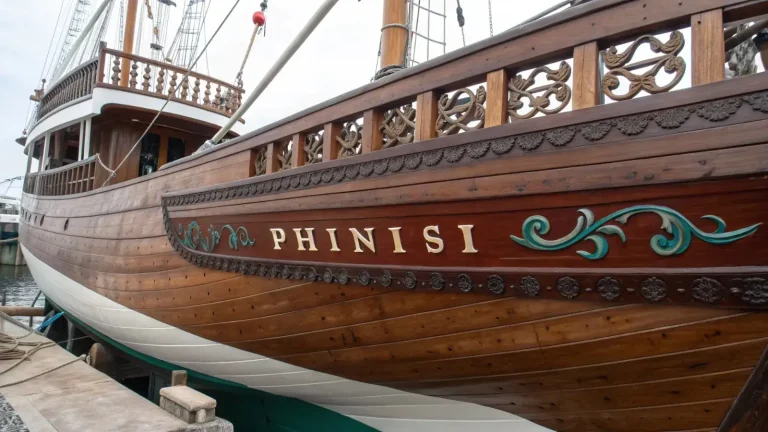
The Owner Visit Schedule: When to Fly In During a Build
Five owner visits carry most of a build's value: contract signing and yard walk, keel-laying with the timber on site,…
Construction & Engineering
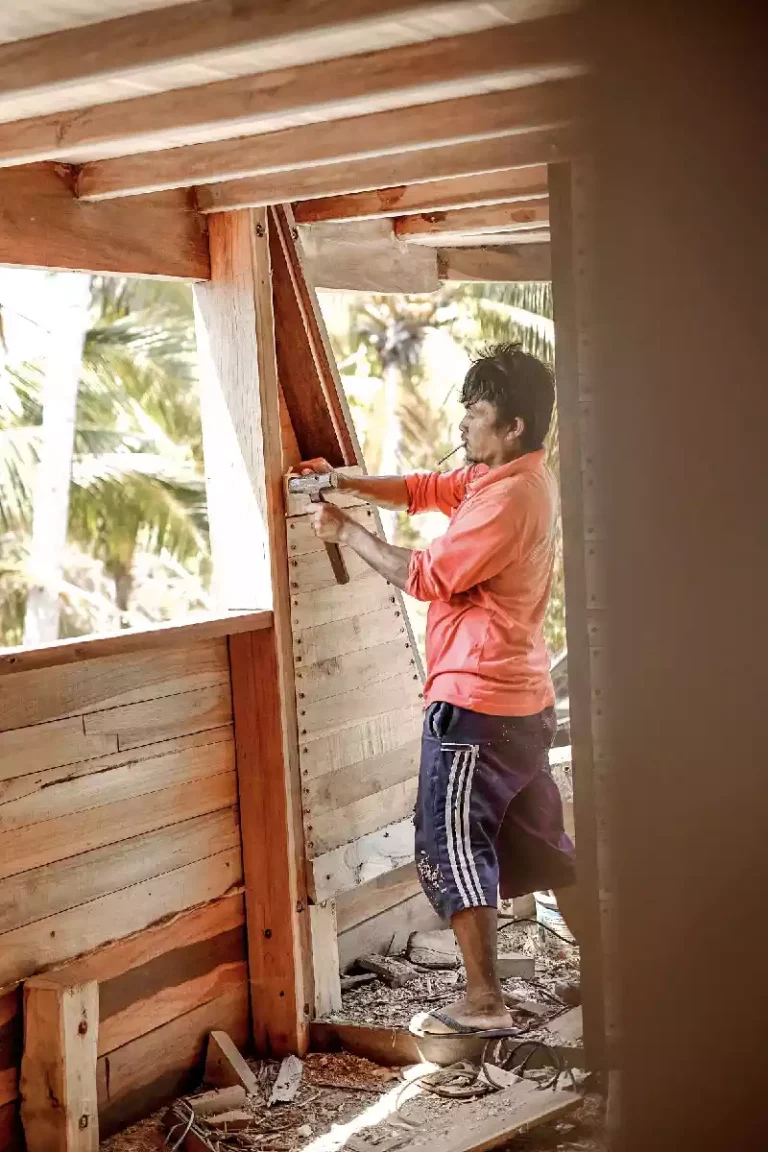
Interior Fit-Out Sequencing on a Phinisi Build
Phinisi fit-out follows one law: nothing closes until what lives behind it is installed, tested and photographed. The working sequence…

Construction & Engineering
Phinisi Deck Hardware: Sourcing Winches and Fittings That Last
Phinisi deck hardware splits into load-bearing items — winches, windlass, cleats, chainplates, blocks — which must be load-rated and documented,…

Planning & Supervision
Supervising From Afar: Monthly Build Reports That Tell the Truth
A truthful monthly build report has five parts: progress against the contractual milestone table, photographs from fixed repeat vantage points,…

Planning & Supervision
Sulawesi vs Kalimantan Yards: Logistics Behind the Comparison
The Sulawesi–Kalimantan choice is a logistics decision wearing a heritage costume: Sulawesi yards sit at the heart of the Konjo…