
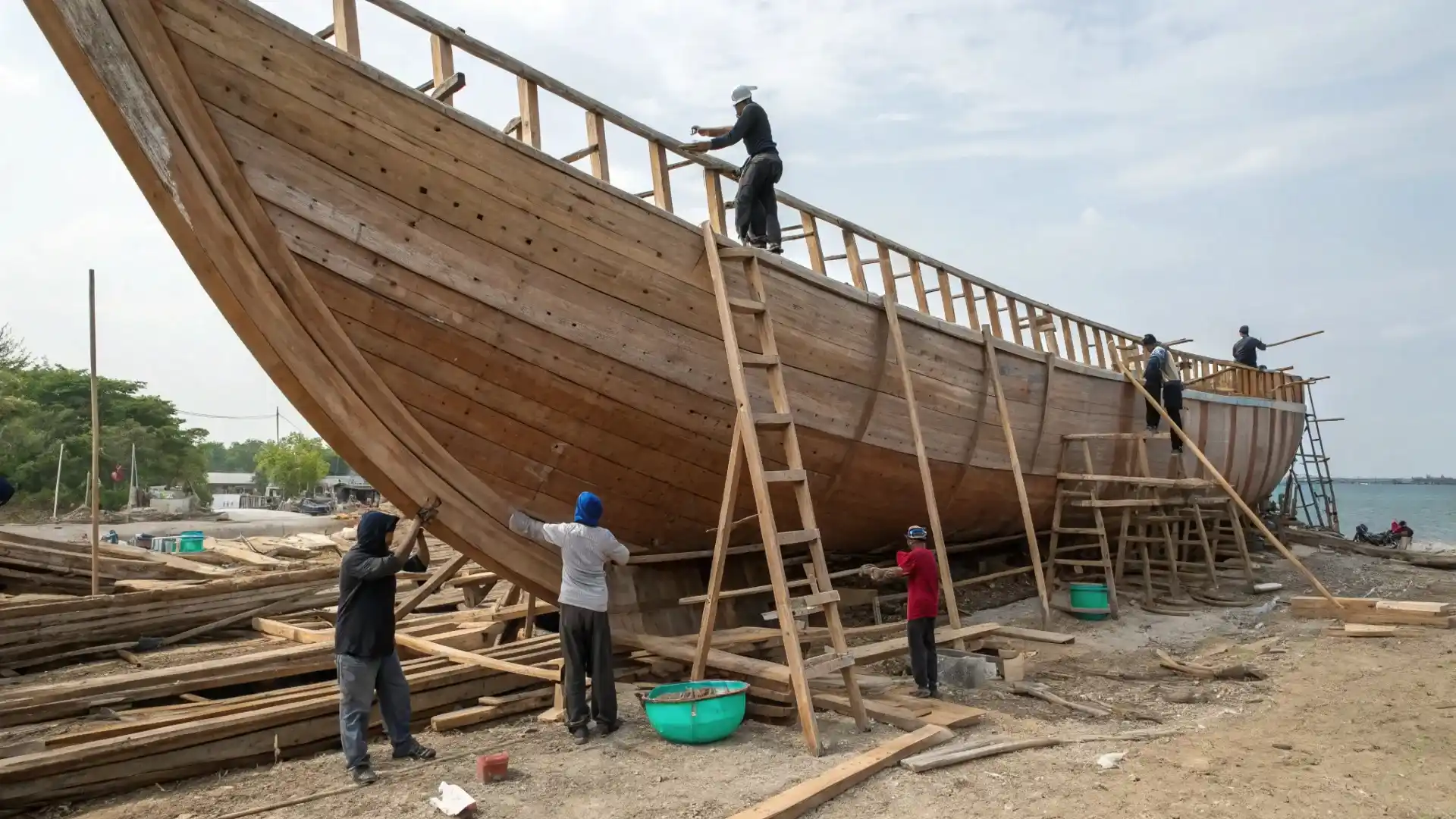

Aluminium Phinisi Builder Indonesia — Modern Hull, Classic Line
An aluminium phinisi builder in Indonesia is, strictly speaking, two specialists working together: a metal-yacht facility that welds the hull,…
Read the guideIn short
To compare phinisi builders in Sulawesi and Lombok, weigh four things: craft lineage, timber supply, oversight logistics and delivery distance. South Sulawesi — the villages of Tana Beru, Bira and Ara — is the hereditary home of phinisi hull-raising, recognised by UNESCO in 2017, and remains the strongest choice for a new ironwood hull.
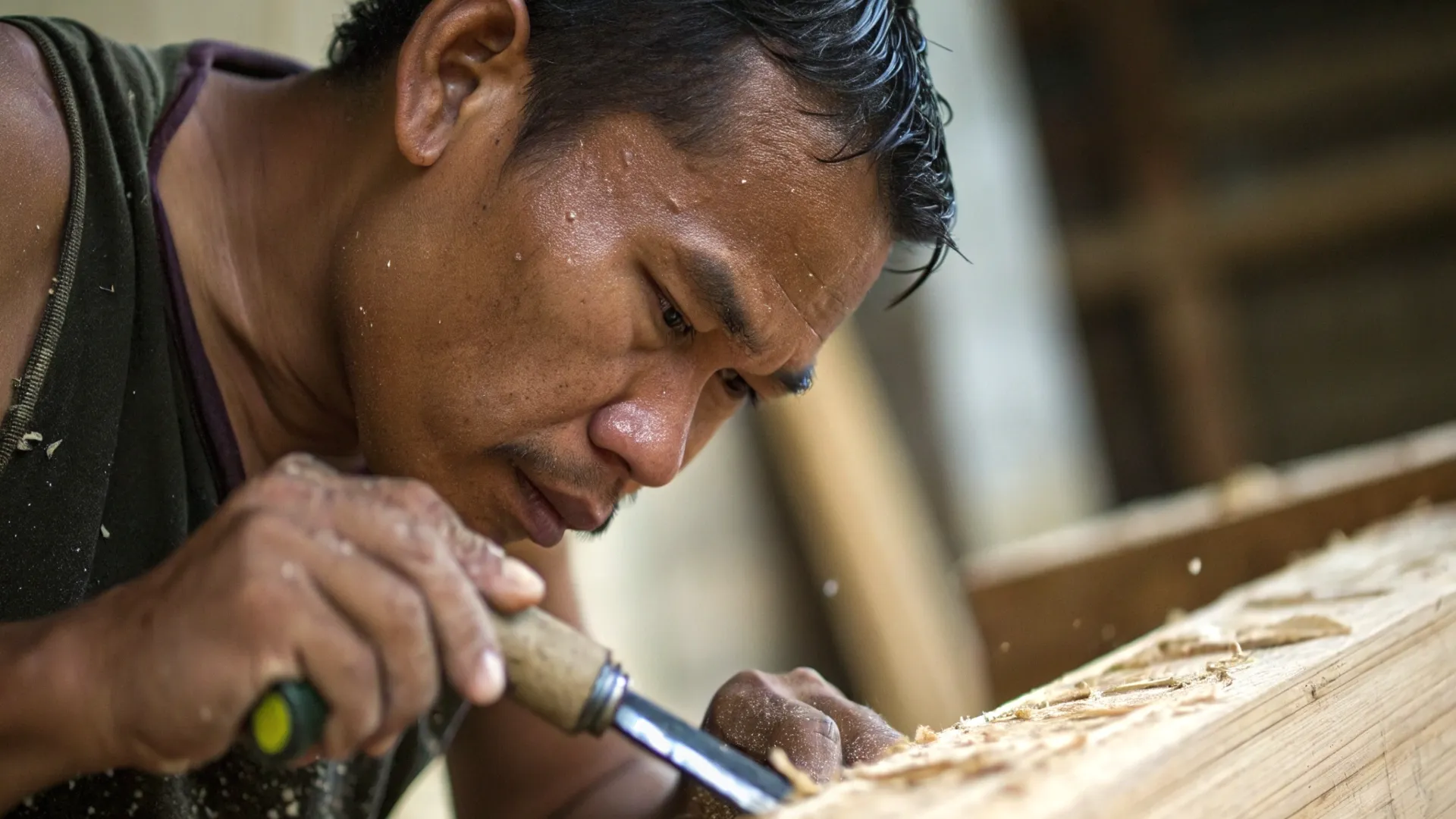
A useful comparison starts with an honest map. The overwhelming majority of large wooden phinisi — the 25 to 50 metre vessels chartering in Komodo and Raja Ampat today — were framed and planked on the beaches of South Sulawesi. Tana Beru and neighbouring Ara supply the master shipwrights, known locally as punggawa, whose families have raised hulls for generations. Batulicin in South Kalimantan hosts a second cluster, valued for its proximity to ironwood supply. Lombok's wooden-boat tradition, concentrated around its fishing harbours, is real but scaled to smaller craft; its commercial strength for yacht owners lies in refit berths, joinery teams and project staging within a short sail of Komodo National Park.
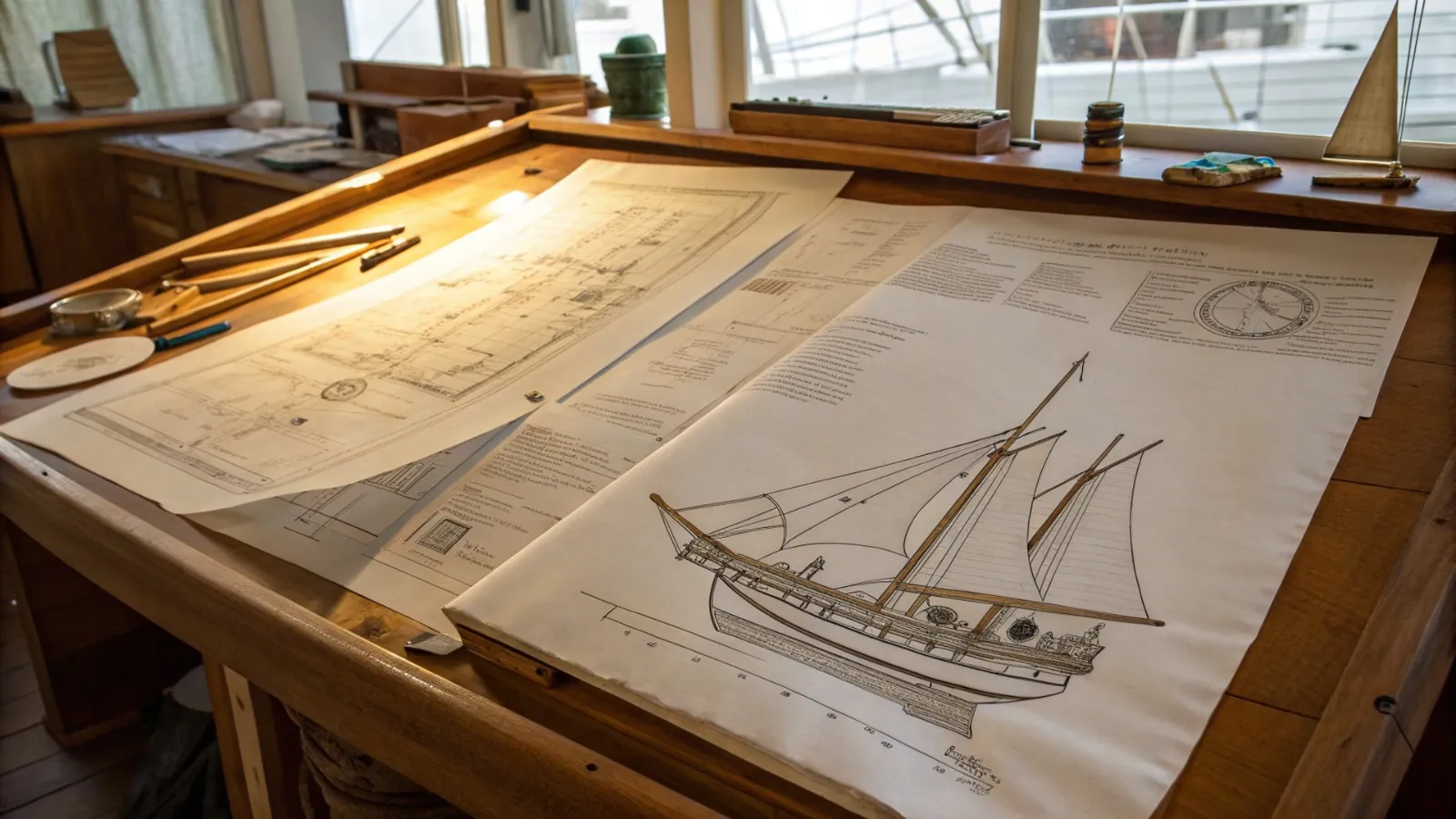
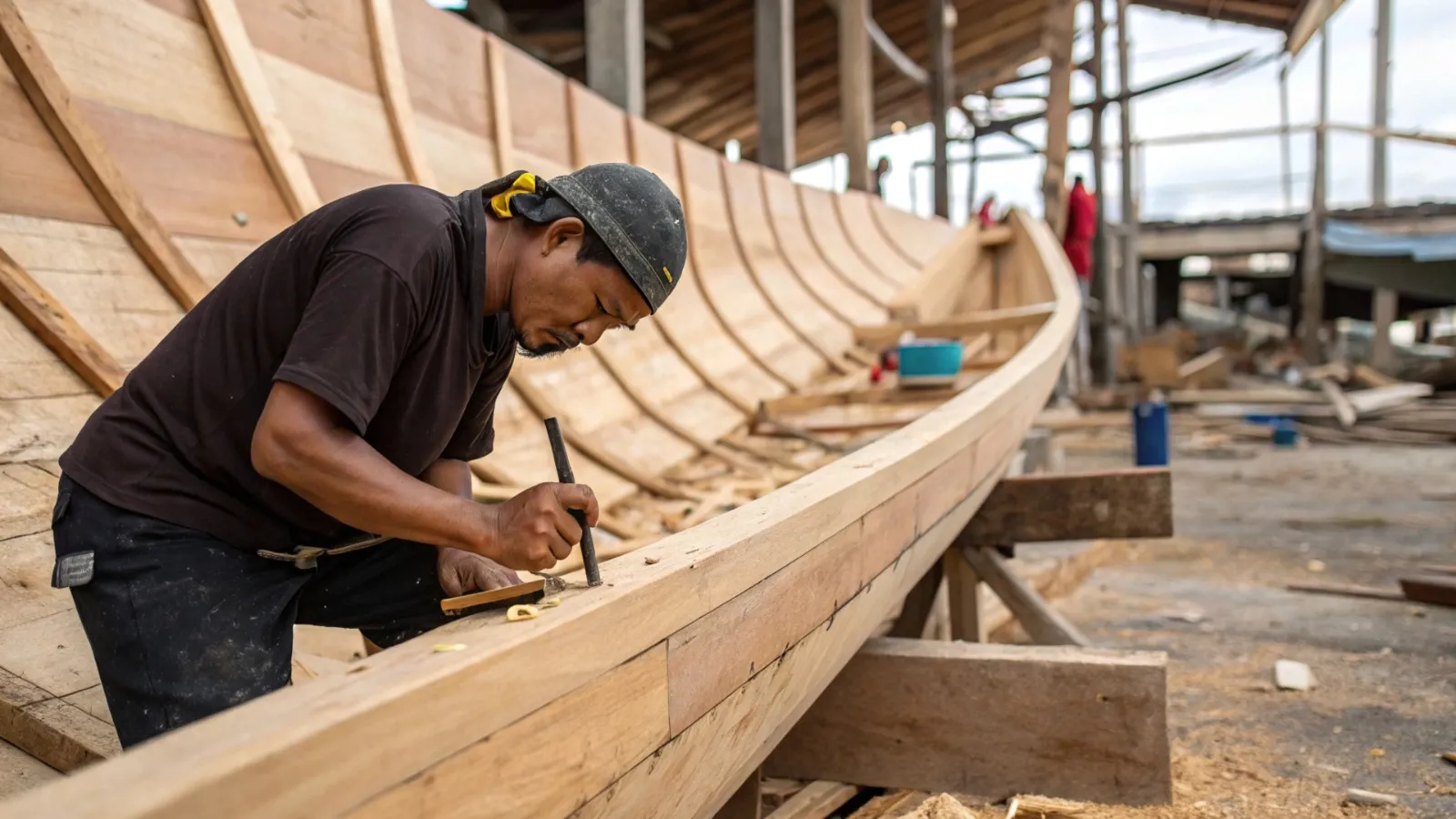
Phinisi construction is not drawn from plans in the Western sense. The keel is laid, frames are shaped by eye and adze, and planking follows a proportional system carried in the head of the punggawa. That knowledge is the single scarcest input in the entire industry, and it is concentrated in Sulawesi. When we researched builder capability for this guide, every yard we assessed with a continuous multi-generation hull-raising record traced to Tana Beru, Bira or Ara.
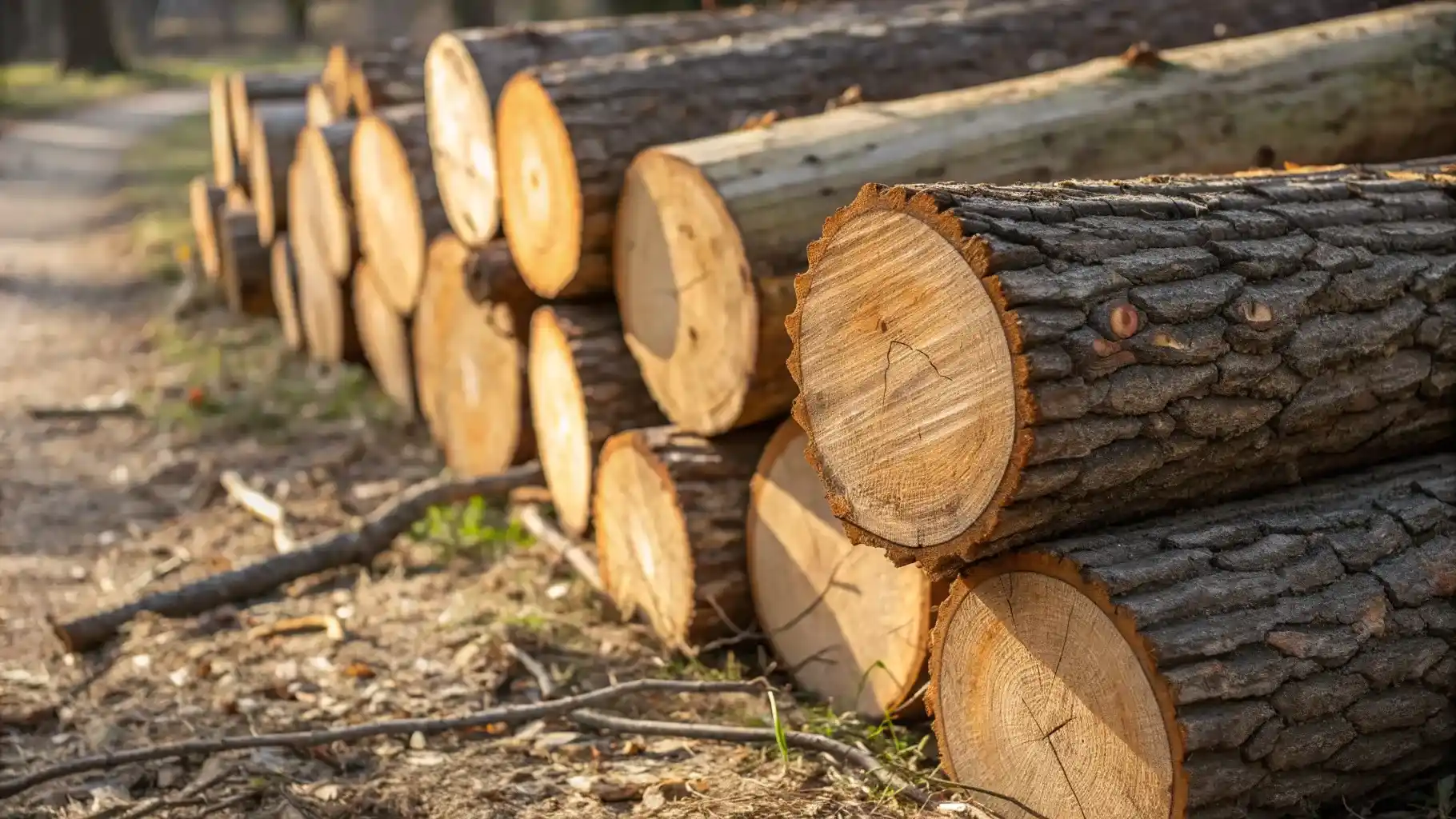
Structural timber decides more of your comparison than labour rates do. Ulin ironwood for keels and lower planking ships from Kalimantan; bitti (Vitex cofassus) for frames grows in Sulawesi itself; teak for decks and interiors comes from managed plantations in Java and Sulawesi. A Sulawesi yard sits inside this supply web and can inspect stock before purchase, while a Lombok build imports every structural stick across the Flores and Alas straits, adding freight and handling risk. Whichever island you choose, insist on SVLK legal-timber documentation for the full structural package — provenance paperwork protects both the forest and your future flag registration. Cost implications are broken down in our cost per metre analysis.
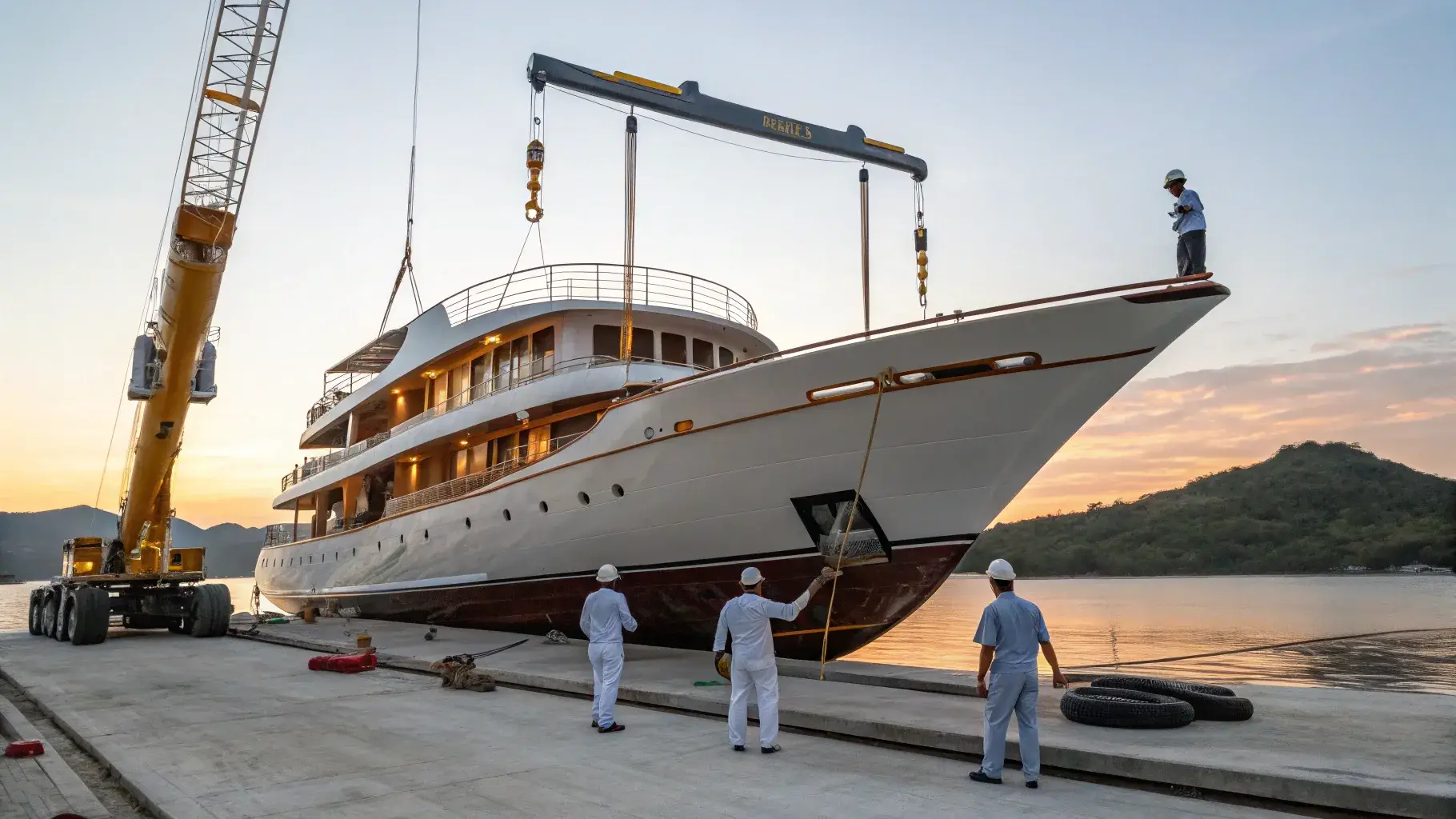
Owner oversight favours whichever island you can actually reach. Lombok has direct international connections and hotel infrastructure minutes from its yards; reaching Tana Beru means flying to Makassar and driving roughly five hours south. For a 12 to 24 month build, that difference compounds — though monthly photographic reports and third-party surveys narrow the gap considerably. Delivery logistics run the other way: a Sulawesi launch crosses open water to reach the charter grounds, while a Lombok-finished vessel begins sea trials practically inside them.
Comparison settled, timing becomes the constraint: our note on booking a 2027 build slot shows how early the strong yards fill.
The rest of the answers buyers ask for before they commission.
An aluminium phinisi builder in Indonesia is, strictly speaking, two specialists working together: a metal-yacht facility that welds the hull,…
Read the guide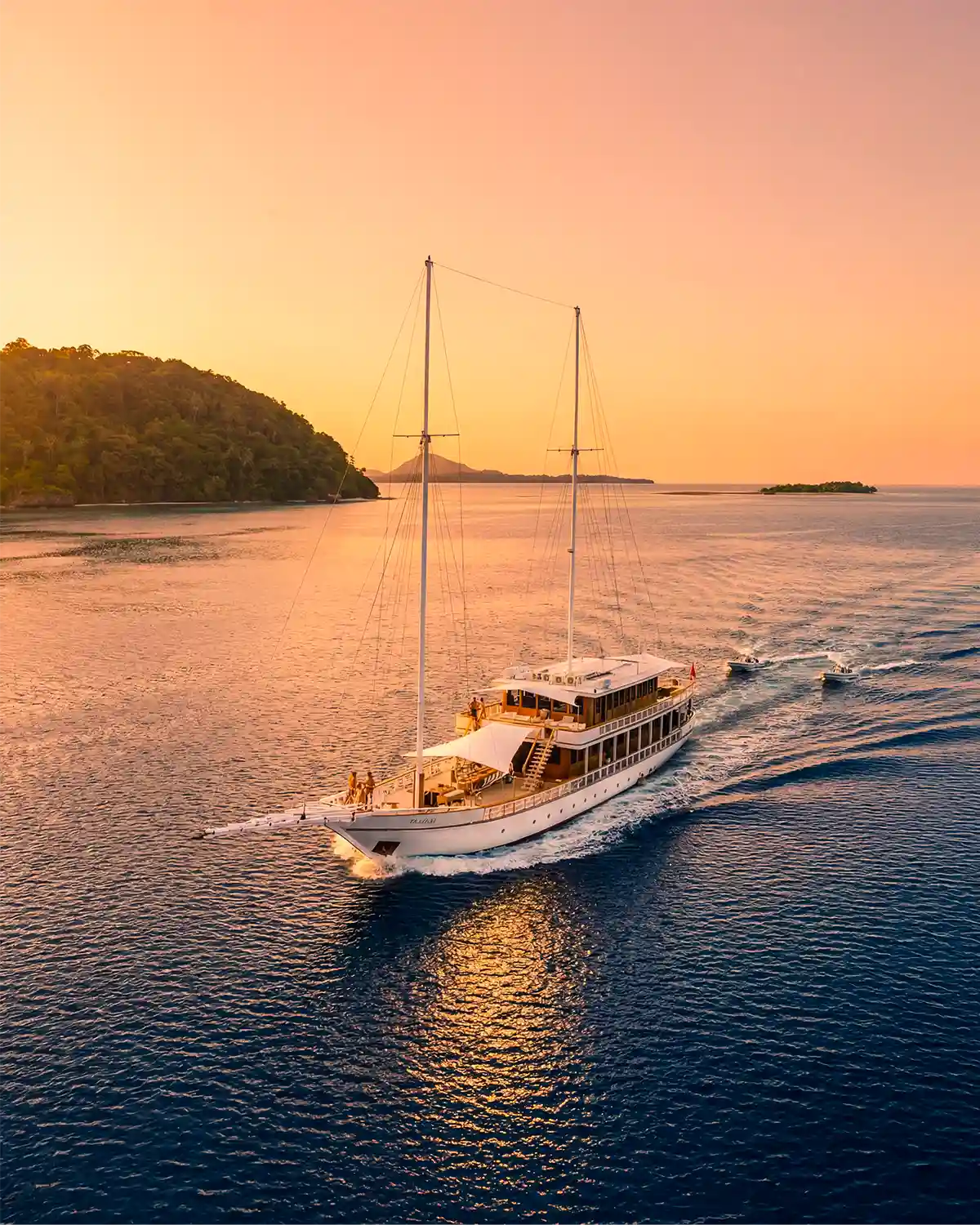
A fiberglass phinisi builder in Indonesia usually means one of two things: a yard moulding small FRP replicas for day…
Read the guide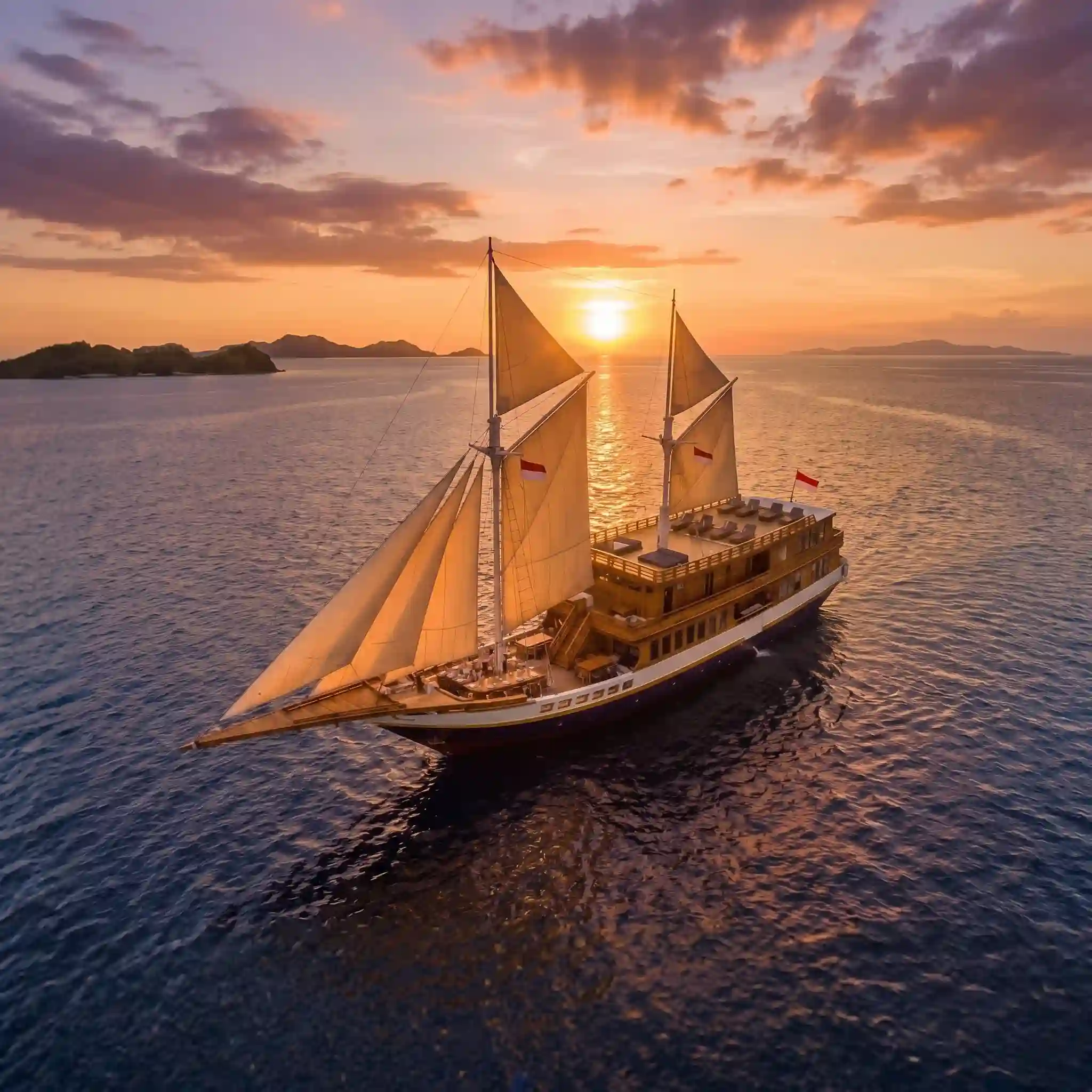
The best phinisi builder in Indonesia for charter yachts is the yard that builds for revenue service from the keel…
Read the guide
In short: 96 of the most common questions about phinisi builder indonesia, answered by our specialists.
Read the guide

Phinisi yacht builder Indonesia offers bespoke construction for discerning clients, focusing on luxury, heritage, and sustainability. Our expertise spans traditional…
Read the guide
We are a leading traditional phinisi boat builder Indonesia, specialising in custom luxury phinisi boats for family charter 2027, bespoke…
Read the guide
Phinisi boat construction in Indonesia encompasses a meticulous process, from initial conceptualisation and detailed design to expert fabrication and final…
Read the guideTell us the length, the layout and roughly when you want to sail. You get an itemised proposal back within 24 hours.
