
Planning & Supervision
The 2027 Timeline Guide: From Keel Laying to Ocean Trials for Indonesian Phinisis
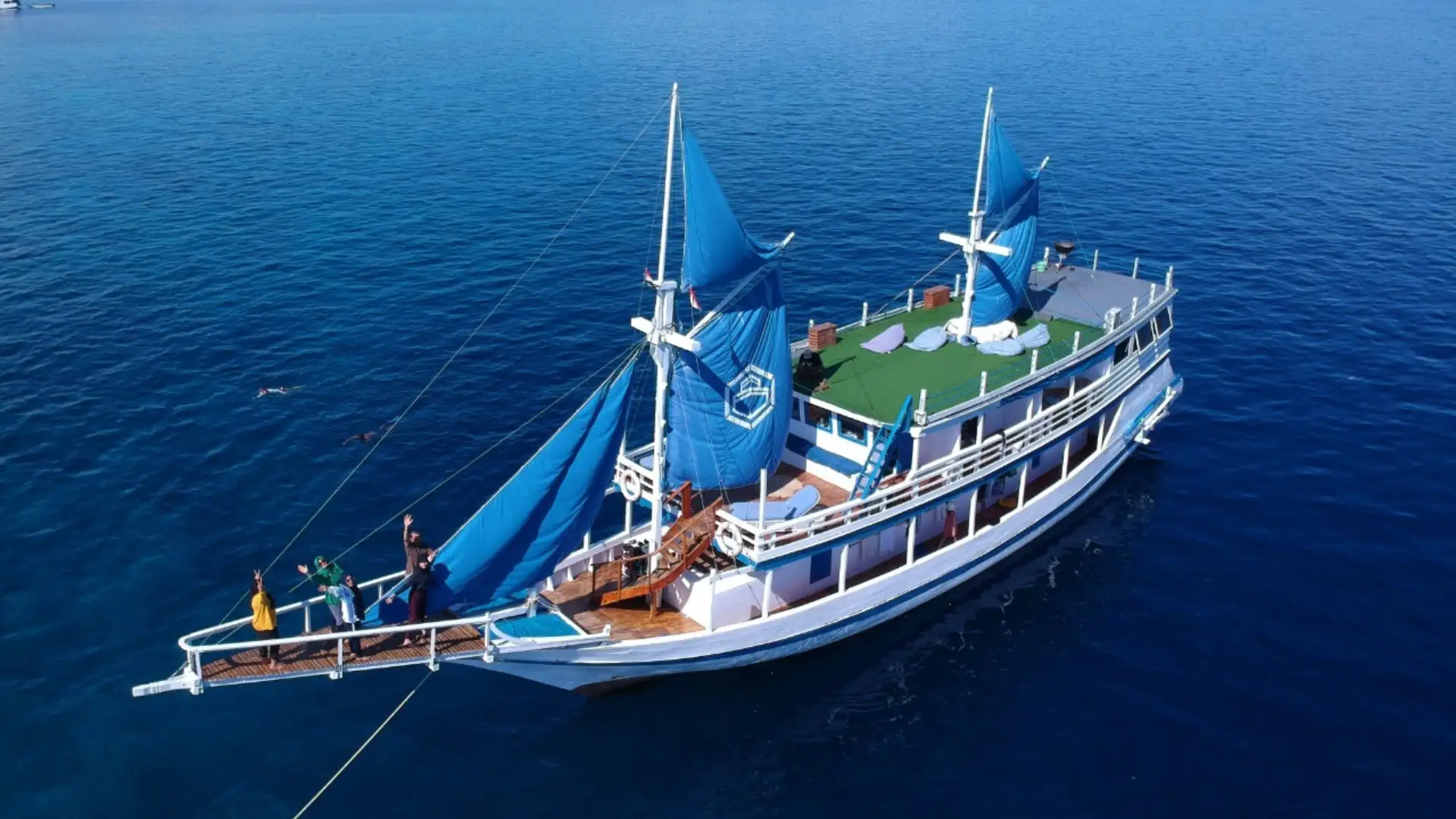
The 2027 timeline for Indonesian phinisi construction outlines a detailed progression from initial keel laying to final ocean trials. This guide is crucial for importers, wholesalers, and trade buyers considering these bespoke vessels, which are central to a fast-growing luxury tourism segment. Build prices range from approximately US$0.4–10 million, concentrated in South Sulawesi shipyards with operational hubs in Bali, Komodo, and Raja Ampat.
Understanding the Phinisi Market in 2027
Indonesia’s phinisi-building niche, while small, is a rapidly expanding luxury and tourism sector within the broader marine vessel market. These vessels, predominantly constructed in South Sulawesi, serve fit-out and operational centres in Bali, Komodo, and Raja Ampat. The market for these traditional sailing vessels, reimagined for modern luxury, continues to gain traction with build prices typically between US$0.4 million and US$10 million per boat.
Market Dynamics and Growth Projections
The phinisi sector operates within the larger Indonesia marine vessel and nautical tourism segments. Concrete figures for the broader market provide a framework for understanding phinisi demand:
- The Indonesia Marine Vessel Market is projected to grow at a Compound Annual Growth Rate (CAGR) of 5.8% from 2026–2032.
- By 2027, Indonesia’s marine vessel market is forecast to achieve a growth rate of 9.63%.
- Indonesia’s construction industry, which includes shipyards, is expected to expand at an average annual rate of 5.8% from 2026 to 2029, supported by significant infrastructure and energy projects.
Within this expanding market, phinisis occupy a high-value, low-volume luxury and tourism niche. Industry observers note an increasing number of ultra-luxurious Sulawesi sailing vessels being built, with individual shipyards often managing multiple phinisi constructions concurrently for the Southeast Asia charter market. The phinisi market has evolved significantly, transitioning from functional coastal use to meeting global luxury demand, especially for tourism and liveaboards in Komodo and Raja Ampat, and for overseas buyers in regions like the Maldives and Mediterranean.
Given the projected vessel market growth of approximately 6–10% per year, rising luxury charter demand in Indonesia’s closed registry market, and multiple yards now building several units in parallel, a high-single-digit annual growth rate for phinisi order books in 2026–2027 is consistent with available evidence. Precise unit volumes are not published, but the trend indicates sustained expansion.
Typical Price Ranges for Phinisi Vessels
Build Costs
The cost of building a phinisi varies significantly based on size, materials, level of customisation, and onboard amenities. Generally, new builds range from US$0.4 million to US$10 million. This spectrum reflects everything from smaller, simpler vessels to large, highly customised luxury yachts. For example, a 30-metre luxury liveaboard phinisi with bespoke interiors and advanced navigation systems would be at the higher end of this range, while a smaller 20-metre vessel designed for day charters might be at the lower end.
Charter Rates
Charter rates for phinisis also vary widely, reflecting the vessel’s size, luxury level, operating region, and duration of the charter. Daily rates can range from US$2,000 to US$25,000. Vessels operating in prime luxury tourism destinations such as Komodo and Raja Ampat typically command higher rates due to demand and the premium experiences offered. The charter market in Indonesia is robust, driven by demand for unique travel experiences.
The 2027 Phinisi Construction Timeline: A Detailed Guide
Building a phinisi is a meticulous process, typically spanning 18 to 36 months, depending on the vessel’s size, complexity, and customisation. This timeline provides a general overview for a standard luxury phinisi project.
Phase 1: Design and Planning (Months 1-3)
- Client Consultation and Concept Development: Initial meetings to define client requirements, vessel purpose (e.g., private yacht, charter liveaboard), design preferences, and budget.
- Naval Architecture and Engineering: Detailed hull design, structural engineering, stability calculations, and propulsion system specification. This includes developing general arrangement plans, exterior styling, and initial interior layouts.
- Regulatory Approvals: Submission of designs to relevant maritime authorities for approval, ensuring compliance with safety and environmental regulations. This can involve classification societies if the client opts for certification.
- Material Sourcing Strategy: Finalising specifications for timber (e.g., Ulin, Teak), steel for internal structures, engines, generators, and other critical components.
Phase 2: Keel Laying and Hull Construction (Months 4-15)
- Keel Laying Ceremony: A traditional ceremony marking the start of physical construction. The keel, often made from robust Ulin wood, is laid.
- Frame Construction: Ribs and frames are meticulously shaped and fitted to the keel, forming the vessel’s skeletal structure. This is a labour-intensive process requiring skilled carpenters.
- Planking: High-quality timber planks are carefully selected, shaped, and attached to the frames, forming the hull. This process ensures the hull’s integrity and watertightness.
- Deck Beams and Decking: Installation of deck beams followed by the laying of the main deck. Teak is a common choice for decking due to its durability and aesthetic appeal.
- Machinery Space Preparation: Fabrication and installation of engine beds and foundations for main engines, generators, and auxiliary machinery.
2027 Note: By 2027, advancements in 3D modelling and CAD/CAM technologies are increasingly integrated into the design and initial fabrication phases, enhancing precision and reducing potential structural errors for phinisi construction projects in more sophisticated yards.
Phase 3: Superstructure and Interior Fit-Out (Months 16-27)
- Superstructure Construction: Building of the deckhouses, cabins, and other structures above the main deck. This phase defines the vessel’s profile and provides interior volume.
- Interior Design and Joinery: Detailed interior design work, including selection of finishes, furniture, and lighting. Skilled joiners commence fabrication and installation of bulkheads, ceilings, and custom furniture.
- Plumbing and HVAC Installation: Installation of freshwater, greywater, blackwater systems, and air conditioning/ventilation systems throughout the vessel.
- Electrical System Installation: Running of electrical conduits, wiring, and installation of main switchboards, navigation electronics, communication systems, and entertainment systems.
- Engine and Propulsion System Installation: Lowering and securing of main engines and generators into their foundations. Installation of propeller shafts, propellers, and rudder systems.
Phase 4: Mast and Rigging, Systems Commissioning (Months 28-33)
- Mast and Spar Fabrication/Installation: Construction and fitting of masts, booms, and other spars. These are often made from laminated timber or, for larger vessels, steel.
- Rigging Installation: Installation of standing rigging (shrouds, stays) and running rigging (halyards, sheets). This phase requires careful tensioning and alignment.
- Systems Commissioning: Testing and calibration of all installed systems: propulsion, electrical, navigation, communication, plumbing, and HVAC. This ensures all components function correctly and integrate seamlessly.
- Safety Equipment Installation: Installation of life rafts, fire suppression systems, emergency lighting, and other safety gear as per international maritime regulations.
Phase 5: Launch, Sea Trials, and Delivery (Months 34-36)
- Launch: The vessel is carefully moved from the shipyard to the water. This can be a significant logistical operation depending on the shipyard’s facilities.
- Ocean Trials: Extensive sea trials are conducted to test the vessel’s performance under various conditions. This includes speed tests, manoeuvrability, stability, and the functioning of all navigation and propulsion systems. Any necessary adjustments are made during this period.
- Final Inspections and Certification: Final inspections by classification societies and maritime authorities to issue all required certificates.
- Crew Training: If applicable, the owner’s crew receives training on the vessel’s systems and operations.
- Delivery: Handover of the completed phinisi to the client.
Future Outlook for Phinisi Building
The demand for phinisis, particularly for luxury charter and private use, is robust. With Indonesia’s marine vessel market showing consistent growth, and specific reports indicating an increase in ultra-luxurious phinisi builds, the sector is poised for continued expansion. Shipyards in South Sulawesi are becoming increasingly adept at integrating modern amenities and technologies while preserving traditional craftsmanship. This blend ensures that phinisis remain highly sought-after vessels for discerning buyers worldwide.
For inquiries regarding wholesale furniture and handicraft for your phinisi project or other marine interiors, request a wholesale quote on WhatsApp.
Continue reading: How to Build a Phinisi in Indonesia: The Ultimate 2027 Buyer’s Guide · How to Choose the Right Phinisi Builder in Indonesia: A 2027 Step-by-Step Guide · Custom Oem Manufacturing
Keep reading
More from the yard.
Uncategorized
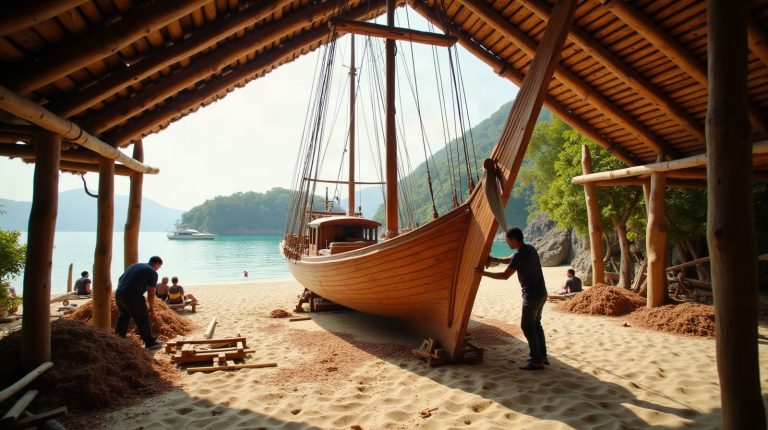
Commissioning a Phinisi in 2026: What Komodo Charters Teach
Future owners commissioning a phinisi ask three questions more than any others: which cabin mix actually earns, what power and…
Planning & Supervision
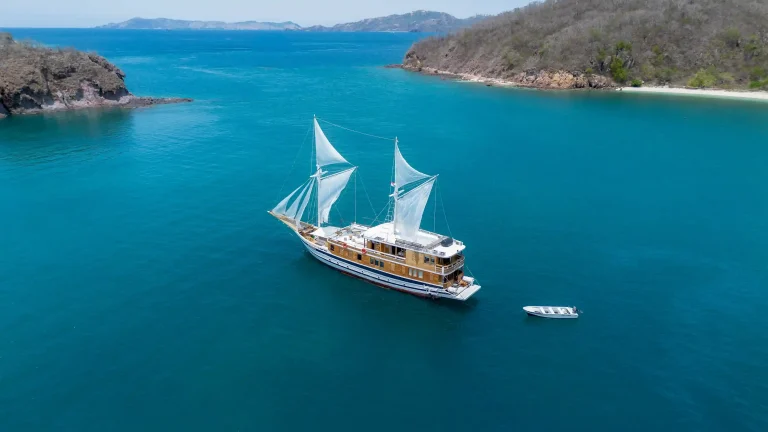
Charter-Spec vs Private-Spec Phinisi: Build Choices That Diverge
A charter-spec phinisi is engineered around revenue: maximum guest cabins with identical quality, robust crew areas, redundant systems that protect…
Planning & Supervision
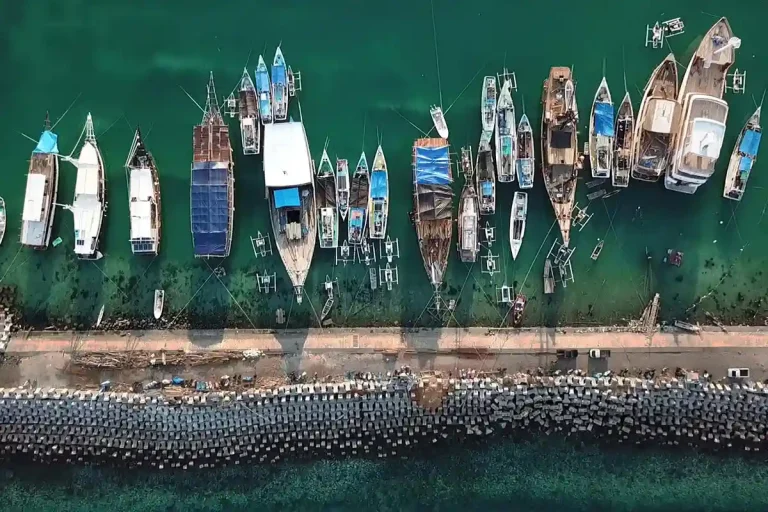
Yard Capacity in 2027: Booking Your Phinisi Build Slot Early
Serious phinisi yards enter 2027 with slipways committed twelve to eighteen months ahead: charter-fleet renewal, post-quake rebuilding demand and a…
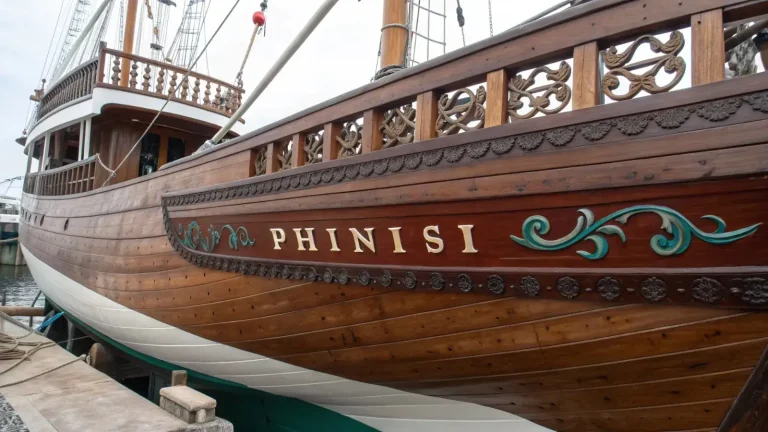
Planning & Supervision
The Owner Visit Schedule: When to Fly In During a Build
Five owner visits carry most of a build's value: contract signing and yard walk, keel-laying with the timber on site,…
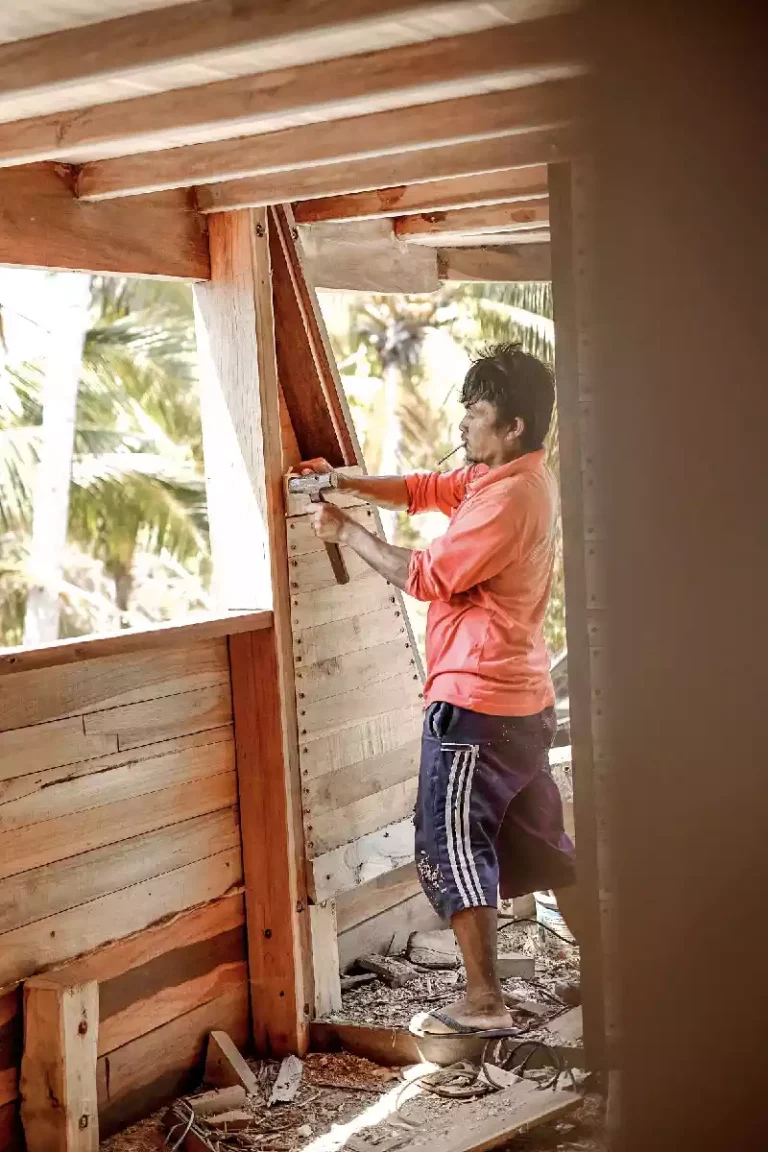
Construction & Engineering
Interior Fit-Out Sequencing on a Phinisi Build
Phinisi fit-out follows one law: nothing closes until what lives behind it is installed, tested and photographed. The working sequence…
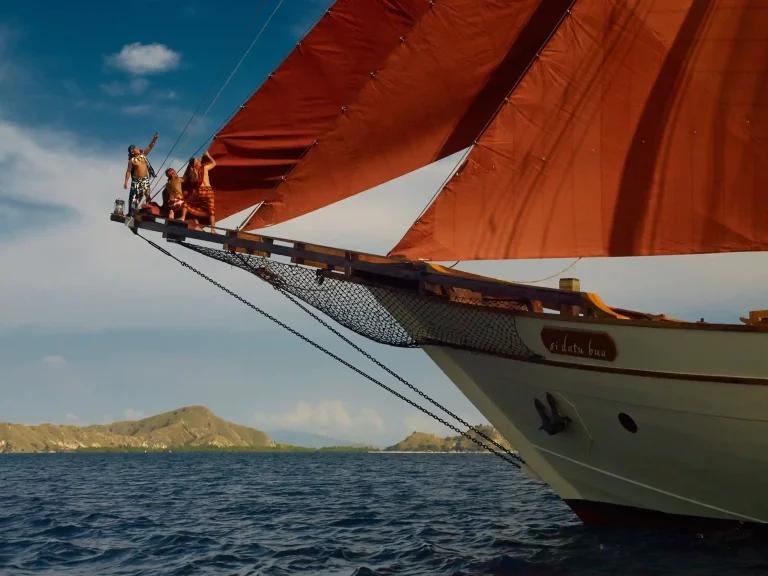
Construction & Engineering
Phinisi Deck Hardware: Sourcing Winches and Fittings That Last
Phinisi deck hardware splits into load-bearing items — winches, windlass, cleats, chainplates, blocks — which must be load-rated and documented,…
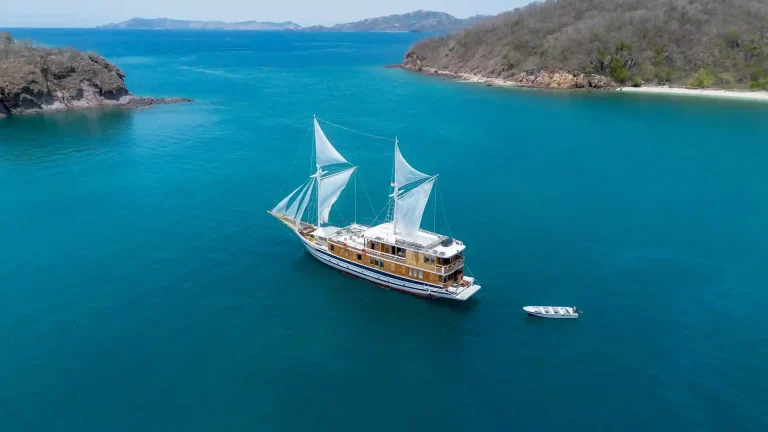
Planning & Supervision
Supervising From Afar: Monthly Build Reports That Tell the Truth
A truthful monthly build report has five parts: progress against the contractual milestone table, photographs from fixed repeat vantage points,…
Planning & Supervision
Sulawesi vs Kalimantan Yards: Logistics Behind the Comparison
The Sulawesi–Kalimantan choice is a logistics decision wearing a heritage costume: Sulawesi yards sit at the heart of the Konjo…