
Builder Comparisons
Phinisi Yacht Builder Bali vs. Sulawesi: A 2027 Comparison of Craftsmanship and Cost
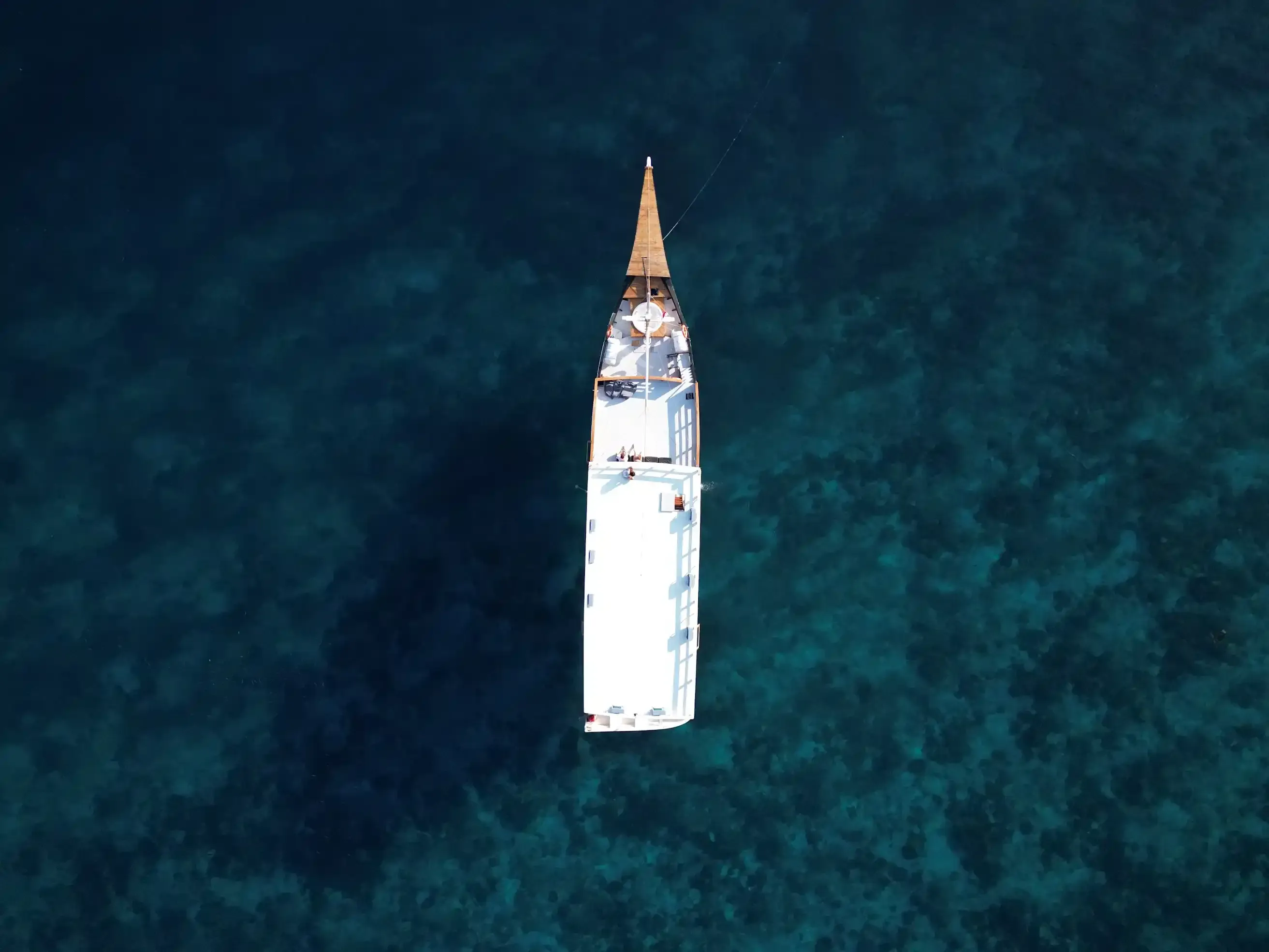
The phinisi-building sector, a small yet rapidly expanding luxury and tourism segment within Indonesia’s broader marine market, sees build prices typically ranging from US$0.4 to US$10 million per vessel. Shipyards in South Sulawesi remain the primary construction hubs, with Bali serving as a key center for fit-out and operational logistics.
Phinisi Yacht Builder Bali vs. Sulawesi: A 2027 Comparison of Craftsmanship and Cost
As the B2B furniture and handicraft export house for Phinisi Builder Indonesia, we provide insights into the phinisi construction landscape for importers, wholesalers, retailers, interior contractors, and trade buyers. This briefing focuses on the distinctions between phinisi construction in Sulawesi and the fit-out and operational aspects centered in Bali, providing a 2027 perspective on craftsmanship and cost.
Market Size and Growth (2026–2027)
The phinisi construction niche operates within the larger Indonesia marine vessel and nautical tourism segments. While specific standalone statistics for phinisi builders are not published, broader market indicators provide a clear framework for demand:
- The Indonesia Marine Vessel Market is projected to grow at a Compound Annual Growth Rate (CAGR) of 5.8% from 2026–2032.
- By 2027, Indonesia’s marine vessel market is forecast to achieve a growth rate of 9.63%.
- Indonesia’s construction industry, which includes shipyards, is expected to expand at an average annual rate of 5.8% from 2026 to 2029, bolstered by substantial infrastructure and energy projects.
Within these figures, phinisis occupy a high-value, low-volume luxury and tourism niche. Yacht Style has noted an increase in the construction of these ultra-luxurious Sulawesi sailing vessels, with individual shipyards simultaneously managing multiple phinisis for the Southeast Asia charter market. Riara Marine highlights the phinisi market’s evolution from functional coastal use to global luxury demand, particularly for tourism and liveaboards in Komodo and Raja Ampat, and for overseas buyers in regions such as the Maldives and Mediterranean. Those same yards supply the charter market, and hand-built phinisi schooners chartered in Komodo are priced from USD 1,800 to USD 18,700 per night for exclusive use of the vessel.
Based on these indicators—vessel market growth of approximately 6–10% annually, increasing luxury charter demand within Indonesia’s closed registry market, and multiple yards building several units in parallel—a high-single-digit annual growth rate for phinisi order books in 2026–2027 aligns with available evidence, though precise unit volumes remain unpublished.
Geographic Specialisation: Sulawesi for Build, Bali for Fit-Out and Operations
Sulawesi: The Heart of Phinisi Construction
South Sulawesi, particularly the Ara–Bulukumba region, remains the undisputed center for traditional phinisi construction. This area is home to generations of master shipwrights who employ time-honored techniques passed down through families. The availability of skilled labor and local timber resources, such as ironwood (ulin) and teak, makes Sulawesi the primary location for the hull and structural build. Craftsmanship here is characterised by:
- Traditional Expertise: Shipwrights utilise intricate joinery and construction methods without detailed blueprints, relying on inherent knowledge and experience.
- Material Sourcing: Direct access to high-quality Indonesian hardwoods, reducing transport costs for raw materials.
- Structural Integrity: Emphasis on robust, seaworthy hulls designed for long-term ocean voyages.
Bali: The Hub for Luxury Fit-Out and Operations
While Sulawesi builds the vessel’s core, Bali has emerged as a crucial hub for the luxury fit-out, interior finishing, and operational management of phinisis. Bali’s advantages include:
- Skilled Artisans: A large pool of skilled craftsmen in woodworking, carving, upholstery, and interior design suitable for luxury finishes.
- Logistical Infrastructure: Developed port facilities, supply chains for imported luxury fittings, and proximity to international airports for crew and owner access.
- Tourism Ecosystem: Bali’s established tourism infrastructure supports charter operations, crew provisioning, maintenance services, and client hospitality.
- Design and Customisation: Many owners and designers prefer to oversee the detailed interior work in Bali due to better communication, material availability, and access to a broader range of specialists for bespoke elements.
The synergy between Sulawesi’s robust construction and Bali’s sophisticated finishing creates a comprehensive solution for luxury phinisi projects.
Typical Price Ranges (Build & Charter)
Build Costs (2027)
Phinisi build costs vary significantly based on size, materials, level of customisation, and luxury appointments. For 2027, the typical build price range is approximately US$0.4 million to US$10 million per boat. This range reflects:
- Smaller, Functional Vessels: At the lower end, US$0.4–1 million might cover simpler, smaller phinisis intended for local tourism or less elaborate liveaboard use.
- Mid-Range Luxury: US$1–4 million typically covers well-appointed vessels with modern amenities, comfortable cabins, and a good level of customisation.
- High-End Luxury Superyachts: US$4–10 million or more is for large, highly customised phinisis featuring extensive luxury interiors, advanced navigation systems, sophisticated entertainment options, and bespoke finishes, often designed for international charter or private ownership.
2027 Note: Demand for larger, more luxurious phinisis, particularly those designed for the high-end charter market in Komodo and Raja Ampat, is projected to drive average build prices upwards due to increased specifications and customisation requirements.
Charter Costs (2027)
Charter rates for phinisis also exhibit a wide range, influenced by vessel size, age, amenities, crew complement, itinerary, and season. For 2027, indicative weekly charter rates for luxury phinisis in prime Indonesian destinations such as Komodo or Raja Ampat can range from approximately US$20,000 to US$150,000+. These rates typically include a full crew, meals, and some activities, but exclude flights, diving, and other specific excursions.
Craftsmanship and Quality Control
Sulawesi Craftsmanship
The craftsmanship in Sulawesi is deeply rooted in tradition. Builders often work from memory and experience, resulting in vessels with unique character. The primary focus is on structural integrity and seaworthiness. Quality control at this stage often relies on the reputation of the specific shipyard and the experience of the lead shipwright. For trade buyers, understanding the specific yard’s history and previous projects is crucial.
Bali Craftsmanship and Fit-Out
In Bali, the focus shifts to interior finishing, aesthetics, and the integration of modern systems. This phase involves a diverse range of skilled artisans, including carpenters, cabinet makers, upholsterers, and electricians. The standard of craftsmanship here is typically aligned with international luxury yacht standards, as many projects cater to discerning international clients. Quality control is often more formalised, with project managers overseeing detailed specifications and finish requirements.
| Aspect | Sulawesi (Build) | Bali (Fit-Out & Operations) |
|---|---|---|
| Primary Function | Hull & Structural Construction | Interior Finishing, Systems Integration, Operations |
| Key Skills | Traditional Shipwrights, Timber Work | Interior Designers, Artisans, System Technicians |
| Materials Focus | Local Hardwoods (Ulin, Teak) | Luxury Fittings, Imported Materials, Custom Finishes |
| Cost Driver | Raw Materials, Basic Labor | Luxury Materials, Specialised Labor, Logistics |
| Quality Control | Traditional Reputation, Experience | Formalised Project Management, Client Oversight |
Logistics and Project Management Considerations for Buyers
For international buyers and trade clients, managing a phinisi build project involves coordinating between these two distinct geographical hubs:
- Project Oversight: Establishing robust project management is essential. This often involves a dedicated project manager or a reputable build consultancy that can bridge the communication and logistical gaps between Sulawesi and Bali.
- Supply Chain: While Sulawesi provides core materials, Bali offers better access to global supply chains for luxury interior components, navigation electronics, and engine room equipment. Planning for import duties and logistics is critical.
- Timelines: Traditional build methods in Sulawesi can sometimes be less predictable than modern shipyard schedules. Integrating the Sulawesi build phase with the Bali fit-out phase requires careful scheduling to avoid delays.
- Legal and Regulatory Compliance: Navigating Indonesian maritime regulations for vessel registration, flag state, and operational permits is a complex process that often requires local expertise.
Conclusion for Trade Buyers
The distinction between phinisi construction in Sulawesi and the fit-out and operational base in Bali is not a competition, but a complementary specialisation. Sulawesi provides the authentic, structurally sound foundation of the phinisi, rooted in centuries of shipbuilding tradition. Bali then transforms this robust platform into a luxurious, fully equipped vessel suitable for the discerning international market. Understanding this geographical and functional division is key for trade buyers seeking to invest in these unique vessels, ensuring both traditional integrity and modern luxury standards are met.
For further information on specific projects, material sourcing, or to discuss custom phinisi builds, request a wholesale quote on WhatsApp.
Continue reading: The 2027 Trends Shaping Indonesia’s Phinisi Boat Building Industry · The Ultimate 2027 Checklist for Commissioning Your First Custom Phinisi in Indonesia · Quality Certification Fsc
Keep reading
More from the yard.
Uncategorized
Commissioning a Phinisi in 2026: What Komodo Charters Teach
Future owners commissioning a phinisi ask three questions more than any others: which cabin mix actually earns, what power and…
Planning & Supervision
Charter-Spec vs Private-Spec Phinisi: Build Choices That Diverge
A charter-spec phinisi is engineered around revenue: maximum guest cabins with identical quality, robust crew areas, redundant systems that protect…
Planning & Supervision
Yard Capacity in 2027: Booking Your Phinisi Build Slot Early
Serious phinisi yards enter 2027 with slipways committed twelve to eighteen months ahead: charter-fleet renewal, post-quake rebuilding demand and a…
Planning & Supervision
The Owner Visit Schedule: When to Fly In During a Build
Five owner visits carry most of a build's value: contract signing and yard walk, keel-laying with the timber on site,…
Construction & Engineering
Interior Fit-Out Sequencing on a Phinisi Build
Phinisi fit-out follows one law: nothing closes until what lives behind it is installed, tested and photographed. The working sequence…
Construction & Engineering
Phinisi Deck Hardware: Sourcing Winches and Fittings That Last
Phinisi deck hardware splits into load-bearing items — winches, windlass, cleats, chainplates, blocks — which must be load-rated and documented,…
Planning & Supervision
Supervising From Afar: Monthly Build Reports That Tell the Truth
A truthful monthly build report has five parts: progress against the contractual milestone table, photographs from fixed repeat vantage points,…
Planning & Supervision
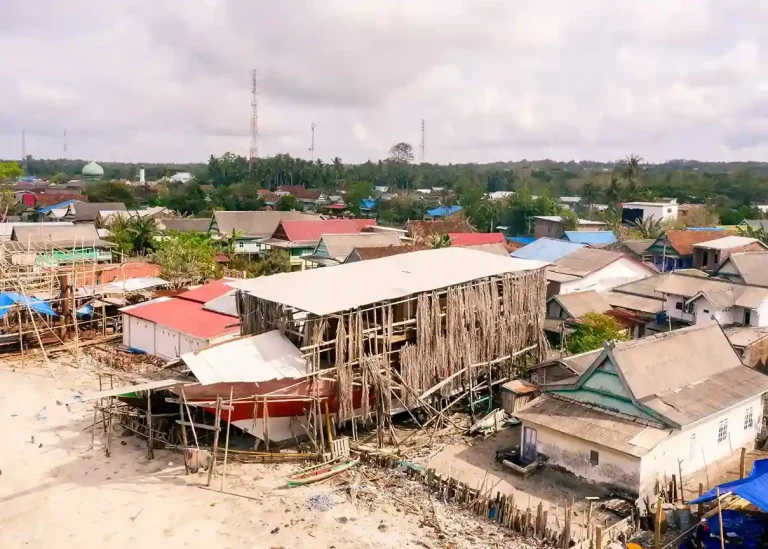
Sulawesi vs Kalimantan Yards: Logistics Behind the Comparison
The Sulawesi–Kalimantan choice is a logistics decision wearing a heritage costume: Sulawesi yards sit at the heart of the Konjo…