
Builder Comparisons
Buyer Guide: Comparing Delivery Times for 45m vs. 60m Phinisis
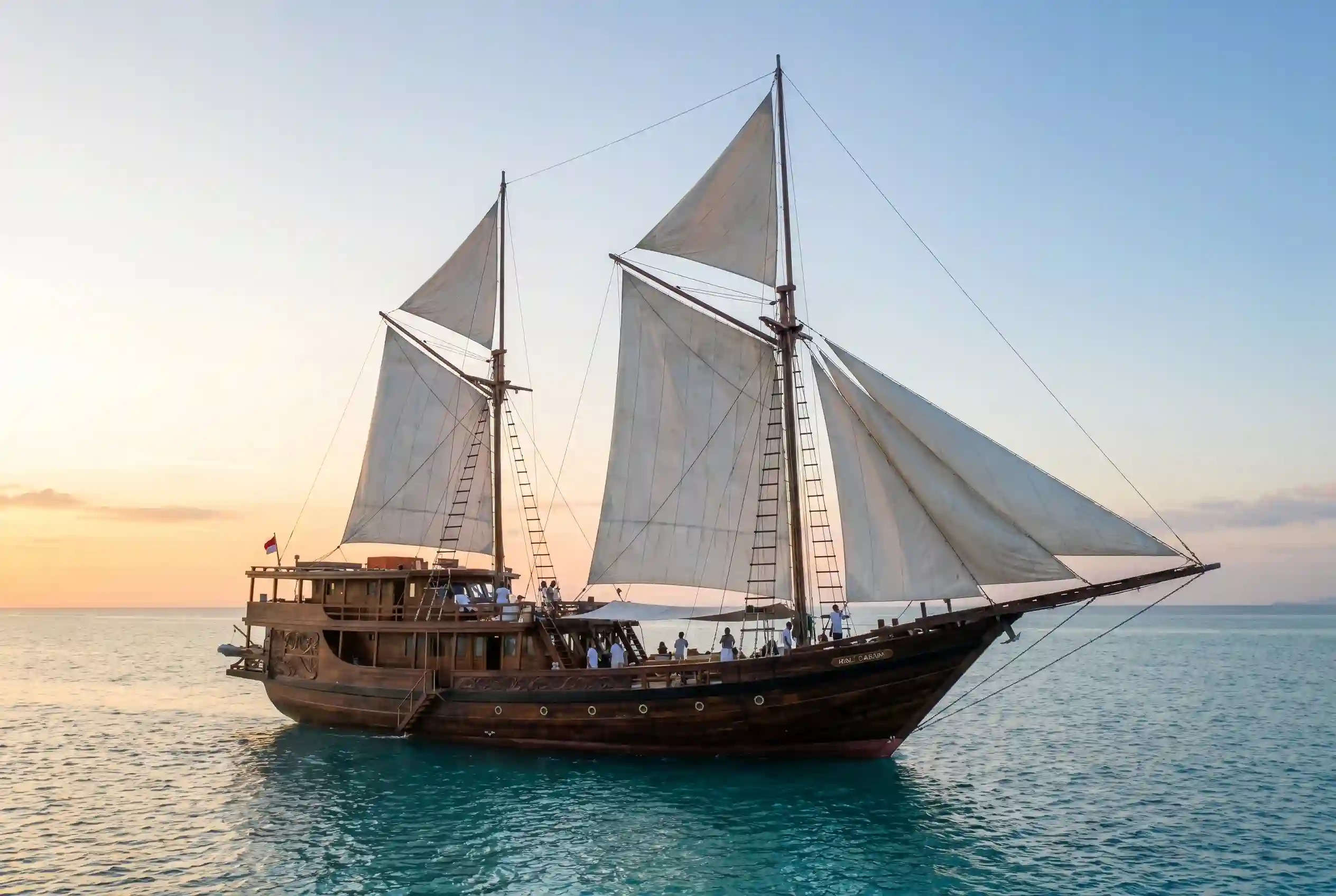
Phinisi construction involves significant lead times, influenced by vessel size and customisation. For trade buyers, understanding these durations is crucial for project planning. This guide compares typical delivery schedules for 45m and 60m phinisis, focusing on factors impacting build timelines within Indonesia’s shipyards.
Buyer Guide: Comparing Delivery Times for 45m vs. 60m Phinisis
Indonesia’s phinisi-building niche, centered on South Sulawesi shipyards, is a fast-growing luxury and tourism segment. These vessels, with build prices typically US$0.4–10 million per boat, are increasingly sought after by overseas buyers and for charter operations in Bali, Komodo, and Raja Ampat. Phinisi Builder Indonesia provides detailed insights for trade buyers and importers considering these bespoke marine investments.
Understanding Phinisi Construction Timelines
The construction of a phinisi is a complex process spanning multiple phases, from design and timber acquisition to hull construction, fit-out, and sea trials. The overall timeline is directly affected by the vessel’s length, design complexity, and the level of interior customisation required.
Phase 1: Design and Timber Sourcing
- Design Approval: Initial design finalisation and regulatory approvals can take 2–4 months. This phase involves detailed discussions with naval architects and builders to ensure all specifications meet the buyer’s requirements and international marine standards.
- Timber Acquisition: High-quality timber, primarily ironwood and teak, is crucial. Sourcing and seasoning this timber can require 3–6 months. For larger vessels like a 60m phinisi, the volume of timber needed is substantially greater, potentially extending this period.
Comparative Timelines: 45m vs. 60m Phinisi
While specific projects vary, general estimates for complete delivery can be provided based on vessel length and complexity.
| Vessel Size | Typical Hull Construction (Months) | Typical Fit-Out (Months) | Total Estimated Delivery (Months) |
|---|---|---|---|
| 45m Phinisi | 12–18 | 8–12 | 20–30 |
| 60m Phinisi | 18–24 | 12–18 | 30–42 |
These figures represent typical durations for a new build from contract signing to final delivery. They account for standard luxury finishes and equipment.
45m Phinisi Delivery
A 45m phinisi typically requires 20–30 months for completion. The hull construction, performed by skilled shipwrights in South Sulawesi, usually takes 12–18 months. Following this, the interior fit-out, installation of machinery, and systems integration demand an additional 8–12 months. This size is popular for private use and boutique charter operations due to a more manageable build time.
60m Phinisi Delivery
For a 60m phinisi, the build process is more extensive, generally requiring 30–42 months. Hull construction for a vessel of this scale can take 18–24 months due to the sheer volume of materials and structural complexity. The fit-out phase, which includes luxury interiors, advanced navigation systems, and extensive guest amenities, extends to 12–18 months. These larger vessels often serve as high-end luxury liveaboards or expedition yachts, necessitating more sophisticated systems and bespoke finishes.
Factors Influencing Delivery Times
Customisation and Design Complexity
Highly customised designs, unique interior layouts, or the integration of specialised equipment (e.g., dive compressors, advanced entertainment systems) will extend the fit-out phase. Each bespoke element requires specific procurement, fabrication, and installation, adding to the overall timeline. Simpler, more standardised designs typically adhere closer to the shorter end of the estimated ranges.
Materials Procurement
Availability of specific materials, especially imported components or rare timber types, can impact schedules. While local Indonesian timber is readily available, certain marine-grade equipment and interior finishes may have longer lead times from international suppliers.
Shipyard Capacity and Workforce
Indonesia’s construction industry, including shipyards, is expected to expand at an average annual rate of 5.8% from 2026 to 2029. This growth, supported by large-scale infrastructure projects, indicates increasing capacity. However, the phinisi-building niche, while growing, relies on highly skilled artisans. Shipyards with multiple phinisis in build concurrently, as reported by Yacht Style, manage their workforce carefully. Larger vessels demand more extensive labour and specialised skills, which can affect the overall pace of construction if resources are stretched.
Regulatory Approvals and Inspections
Throughout the build, various stages require inspection and approval from marine classification societies and local authorities. Delays in these processes can impact the overall timeline. Phinisi Builder Indonesia assists buyers in navigating these regulatory requirements efficiently.
2027 Note on Market Growth
By 2027, Indonesia’s marine vessel market is forecast to achieve a growth rate of 9.63%. This indicates a robust demand for marine vessels, including phinisis. Trade buyers should note that increased demand could potentially lead to fuller order books at established shipyards, making early engagement crucial for securing preferred build slots and managing delivery expectations for projects commencing in 2027.
Conclusion for Trade Buyers
For importers, wholesalers, and trade buyers, understanding the distinction in delivery times between 45m and 60m phinisis is essential for strategic planning. While a 45m vessel offers a quicker route to market, a 60m phinisi provides greater capacity for luxury amenities and extended operational range, albeit with a longer build period. Phinisi Builder Indonesia provides transparent project management and regular updates throughout the construction process. We ensure high-quality craftsmanship and adherence to agreed schedules.
Market Dynamics: Phinisi Order Books 2026-2027
The phinisi-building sector, while a niche within Indonesia’s broader marine vessel market, exhibits consistent growth, particularly in the luxury and tourism segments. Projections for the wider Indonesian marine vessel market indicate a Compound Annual Growth Rate (CAGR) of 5.8% from 2026–2032, with a forecast growth rate of 9.63% specifically for 2027. This expansion is supported by a robust construction industry, which includes shipyards, expected to grow at an average annual rate of 5.8% from 2026 to 2029.
Within this expanding market, phinisis represent a high-value, low-volume segment. Industry observations confirm an increase in the construction of ultra-luxurious Sulawesi sailing vessels, with individual shipyards managing multiple phinisi builds concurrently. This activity is driven by demand from the Southeast Asia charter market and global luxury buyers. The market has shifted from primarily functional coastal vessels to those meeting international luxury demand, particularly for tourism and liveaboard operations in regions such as Komodo and Raja Ampat, as well as for overseas buyers in the Maldives and Mediterranean.
Given the projected growth in the marine vessel market, the rising demand for luxury charters within Indonesia’s closed registry, and multiple shipyards now undertaking parallel builds, a high-single-digit annual growth rate for phinisi order books in 2026–2027 is a reasonable inference. Precise unit volumes are not publicly available, but the trend indicates sustained demand for these bespoke vessels.
Phinisi Pricing: Build and Charter Costs
Phinisi vessels are custom-built, and pricing varies significantly based on size, specifications, materials, and interior fit-out. Build prices typically range from US$0.4 million for smaller, more utilitarian vessels to US$10 million for large, luxurious superyacht-class phinisis. These figures encompass the full construction, including hull, rigging, engines, and internal finishing. The final cost is also influenced by the complexity of systems installed, such as advanced navigation, entertainment, and safety equipment, as well as the quality of interior furnishings and amenities.
For trade buyers, understanding the cost structure involves differentiating between the base build and the comprehensive fit-out. While the primary construction occurs in South Sulawesi shipyards, the final fit-out and operational preparation often take place in hubs like Bali, Komodo, and Raja Ampat. This multi-stage process allows for specialized craftsmanship at each phase, contributing to the overall value proposition.
Charter rates for phinisis also reflect this luxury positioning. While specific figures fluctuate with market demand and vessel amenities, liveaboard charters in destinations such as Komodo and Raja Ampat often command premium daily or weekly rates. These rates factor in crew, provisions, fuel, and the operational costs associated with high-end nautical tourism. For investors considering phinisis for charter operations, the return on investment is influenced by both the initial build cost and the vessel’s operational efficiency and market appeal.
| Category | Approximate Price Range | Key Influencing Factors |
|---|---|---|
| Build Price | US$0.4 – US$10 million | Size (length), materials, interior specifications, system complexity, custom features |
| Fit-Out & Operations Hubs | Variable (included in build/operational costs) | Bali, Komodo, Raja Ampat (for luxury/tourism vessels) |
For detailed project timelines and to discuss your specific requirements, request a wholesale quote on WhatsApp.
Continue reading: Phinisi Interior Design Trends: What’s New for Indonesian Luxury Yachts · Phinisi Liveaboard Builder Indonesia: Trends and Tips for 2027 Custom Projects · Minimum Order Quantity
Keep reading
More from the yard.
Uncategorized
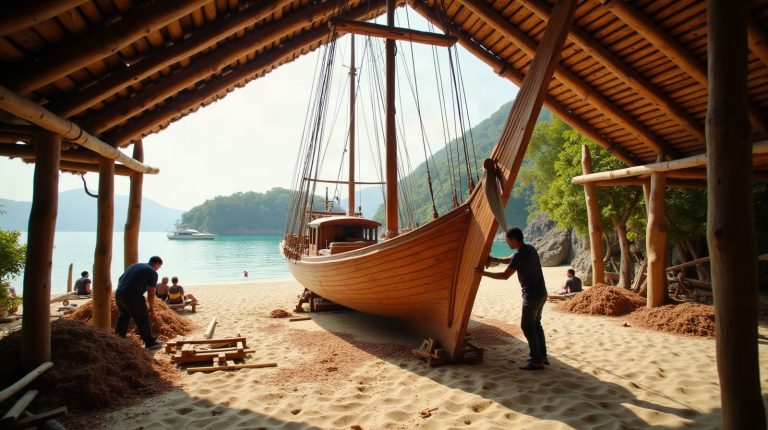
Commissioning a Phinisi in 2026: What Komodo Charters Teach
Future owners commissioning a phinisi ask three questions more than any others: which cabin mix actually earns, what power and…
Planning & Supervision
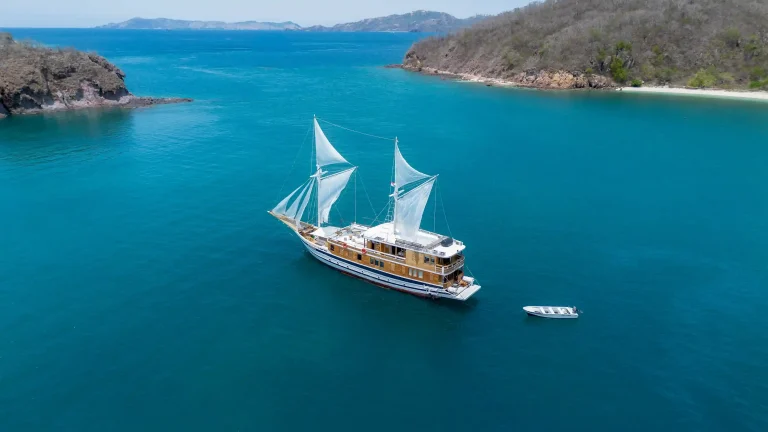
Charter-Spec vs Private-Spec Phinisi: Build Choices That Diverge
A charter-spec phinisi is engineered around revenue: maximum guest cabins with identical quality, robust crew areas, redundant systems that protect…
Planning & Supervision
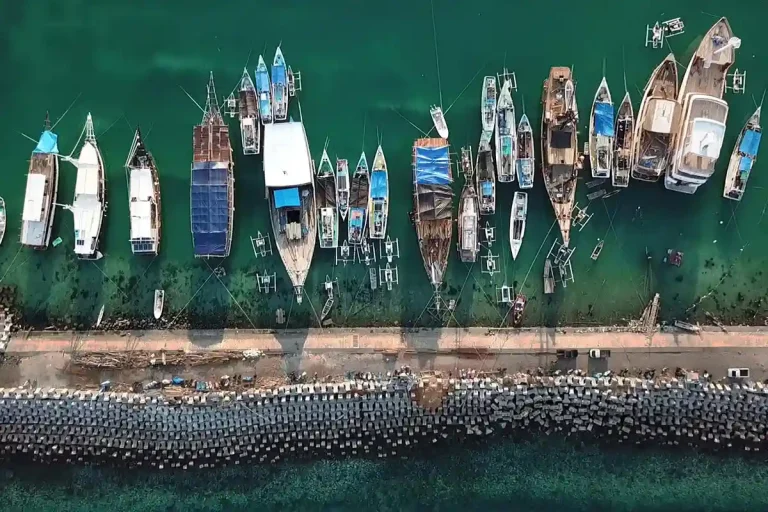
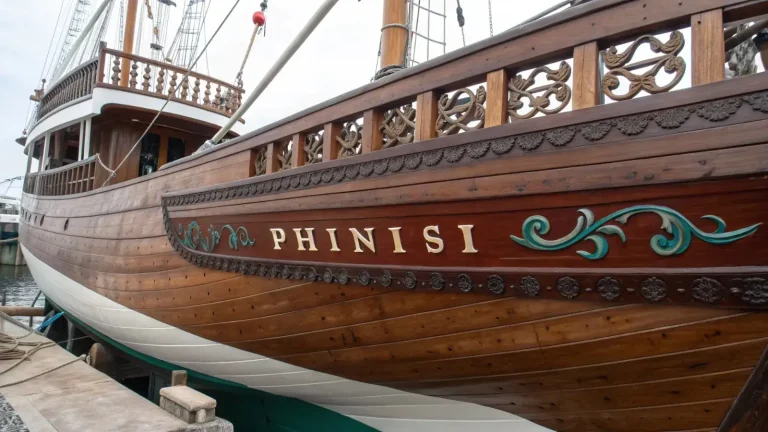
Yard Capacity in 2027: Booking Your Phinisi Build Slot Early
Serious phinisi yards enter 2027 with slipways committed twelve to eighteen months ahead: charter-fleet renewal, post-quake rebuilding demand and a…
Planning & Supervision
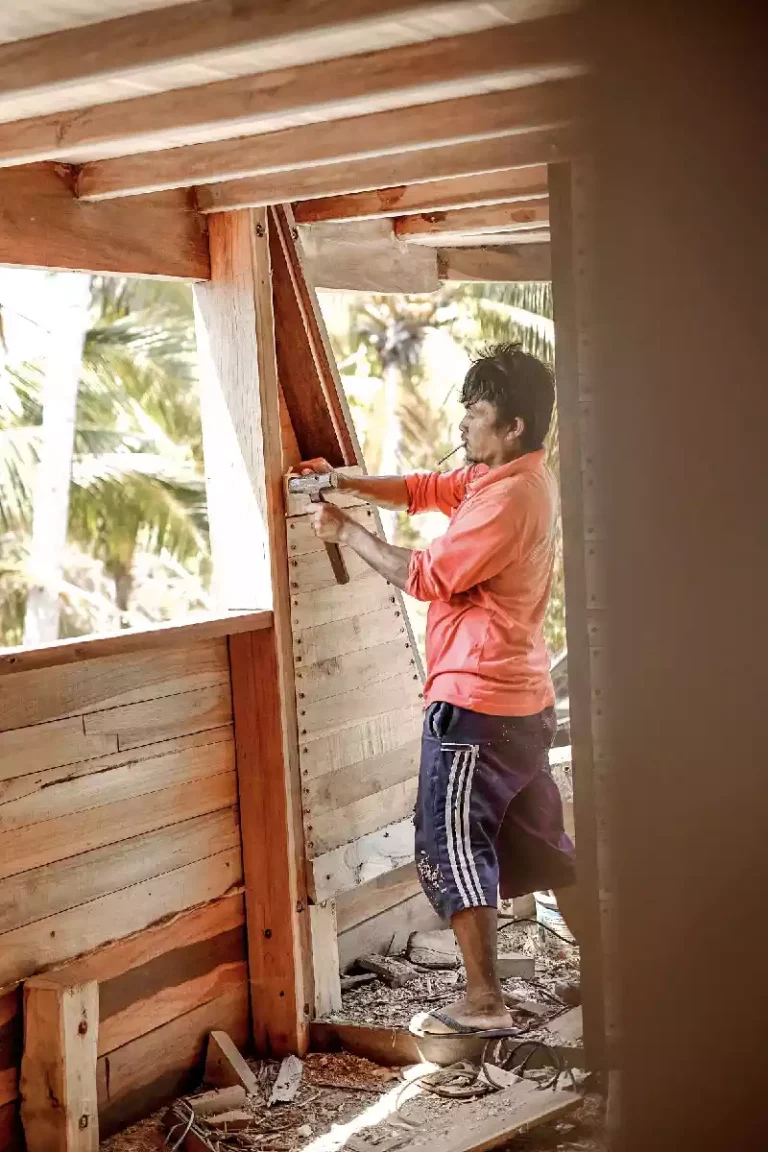
The Owner Visit Schedule: When to Fly In During a Build
Five owner visits carry most of a build's value: contract signing and yard walk, keel-laying with the timber on site,…
Construction & Engineering
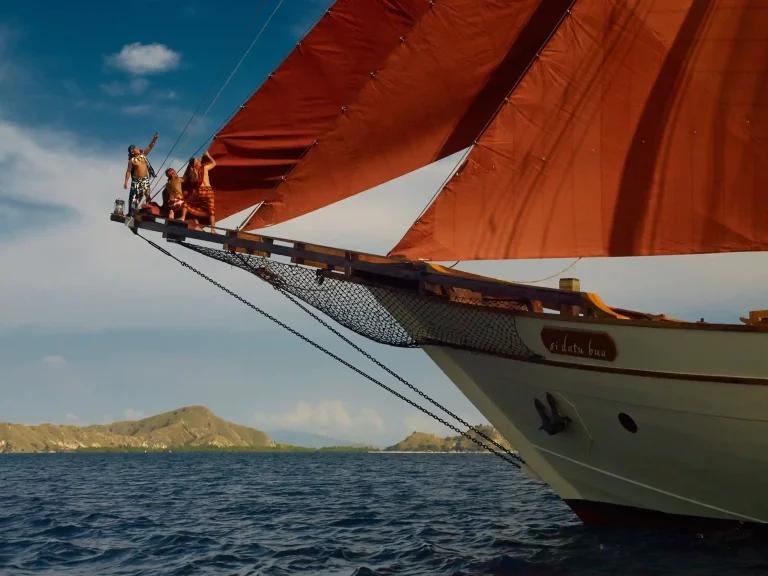
Interior Fit-Out Sequencing on a Phinisi Build
Phinisi fit-out follows one law: nothing closes until what lives behind it is installed, tested and photographed. The working sequence…
Construction & Engineering
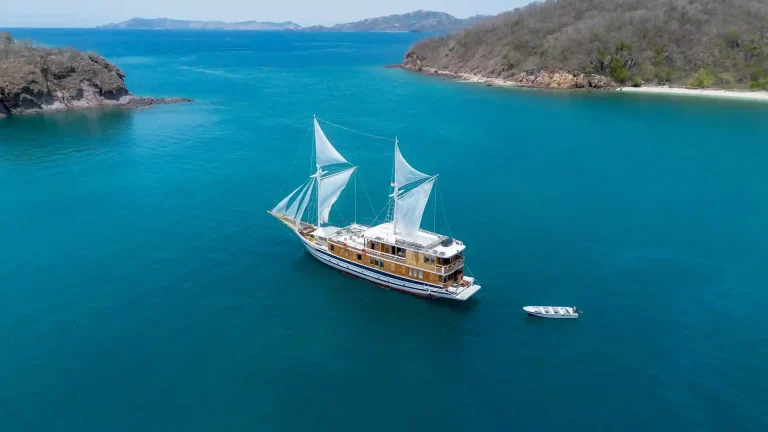
Phinisi Deck Hardware: Sourcing Winches and Fittings That Last
Phinisi deck hardware splits into load-bearing items — winches, windlass, cleats, chainplates, blocks — which must be load-rated and documented,…
Planning & Supervision
Supervising From Afar: Monthly Build Reports That Tell the Truth
A truthful monthly build report has five parts: progress against the contractual milestone table, photographs from fixed repeat vantage points,…
Planning & Supervision
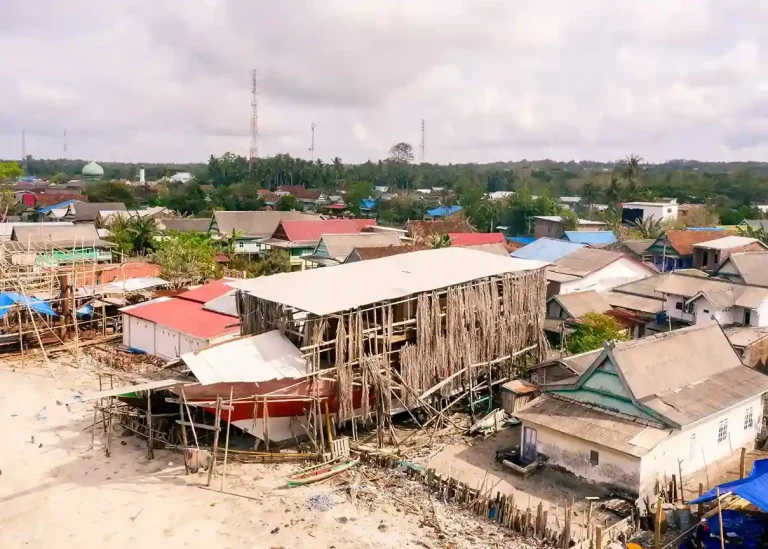
Sulawesi vs Kalimantan Yards: Logistics Behind the Comparison
The Sulawesi–Kalimantan choice is a logistics decision wearing a heritage costume: Sulawesi yards sit at the heart of the Konjo…