
Buyer Guides
Phinisi Buying Mistakes: What to Avoid When Commissioning in Indonesia

Commissioning a phinisi yacht in Indonesia requires careful consideration to avoid common pitfalls. Build prices typically range from US$0.4–10 million, centered on South Sulawesi shipyards. Understanding the market dynamics, contractual specifics, and operational hubs in Bali, Komodo, and Raja Ampat is crucial for a successful project.
Understanding the Phinisi Market Landscape
Indonesia’s phinisi-building niche is a small but fast-growing luxury and tourism segment within the broader marine vessel market. This market is distinct, with build prices typically US$0.4–10 million per boat. South Sulawesi shipyards form the primary construction hub, while fit-out and operations are centred on Bali, Komodo, and Raja Ampat.
The Indonesia Marine Vessel Market is projected to grow at a CAGR of 5.8% from 2026–2032. By 2027, Indonesia’s marine vessel market is forecast to achieve a growth rate of 9.63%. The broader Indonesian construction industry, which includes shipyards, is expected to expand at an average annual rate of 5.8% from 2026 to 2029, supported by large-scale infrastructure and energy projects.
Within these figures, phinisis occupy a high-value but low-volume luxury and tourism niche. Yacht Style notes that more of these ultra-luxurious Sulawesi sailing vessels are being built than ever before, with individual shipyards reporting multiple phinisis in build concurrently for the Southeast Asia charter market. Riara Marine describes the phinisi market as having evolved dramatically, moving from functional coastal use to global luxury demand, particularly for tourism and liveaboards in Komodo and Raja Ampat, and for overseas buyers in regions such as the Maldives and Mediterranean.
A high-single-digit annual growth rate for phinisi order books in 2026–2027 is consistent with available evidence, though precise unit volumes are not published.
2027 Note:
By 2027, the demand for phinisis in the luxury charter sector is expected to show continued strong growth, particularly for liveaboard operations in Indonesia’s eastern regions. This sustained demand is driven by the increasing visibility of Indonesia as a premier nautical tourism destination, necessitating careful planning for new builds.
Common Phinisi Buying Mistakes
Commissioning a phinisi is a significant investment. Avoiding specific mistakes can ensure the project meets expectations and budget.
1. Underestimating Design and Specification Clarity
A frequent error is proceeding without a fully detailed design and specification document. This leads to scope creep, cost overruns, and delays. All aspects, from hull dimensions and timber types to interior layouts and systems, must be precisely documented and agreed upon before construction commences. Ambiguity in specifications can result in disputes and dissatisfaction.
2. Neglecting Contractual Rigour
Indonesian contract law, while robust, requires careful navigation. Contracts must clearly define payment schedules, material specifications, build timelines, quality control measures, warranty provisions, and dispute resolution mechanisms. Relying on informal agreements or incomplete contracts exposes buyers to significant risks. Legal counsel experienced in Indonesian maritime law is essential.
3. Inadequate Site Supervision
While South Sulawesi shipyards are renowned for their craftsmanship, consistent, independent supervision is critical. Regular site visits by the buyer or a trusted representative ensure adherence to specifications and quality standards. Relying solely on shipyard reports can lead to issues being discovered too late in the build process, which are then costly and time-consuming to rectify.
4. Overlooking Regulatory Compliance and Certification
Phinisis, particularly those intended for commercial charter, must comply with stringent Indonesian maritime regulations and international standards. Neglecting these requirements can lead to registration issues, operational restrictions, and insurance complications. Engage with class societies and flag state authorities early in the design phase to ensure compliance.
5. Mismanaging Payment Structures
Payment schedules should be directly linked to demonstrable construction milestones. Large upfront payments without corresponding progress benchmarks are risky. A structured payment plan, verified by independent inspections at each stage, protects the buyer’s investment and incentivises the shipyard to maintain progress.
6. Ignoring Post-Build Logistics and Operations
The build is only one phase. Consideration must be given to delivery, fit-out, crewing, and ongoing maintenance. Bali, Komodo, and Raja Ampat serve as key operational hubs. Planning for these aspects during the commissioning phase ensures a smooth transition from construction to operation. This includes sourcing reputable management companies and understanding local operational costs.
Typical Build Price Ranges
Phinisi build prices vary significantly based on size, complexity, materials, and luxury finishes. The following table provides approximate ranges:
| Category | Length (approx.) | Price Range (US$) |
|---|---|---|
| Entry-Level Charter/Private | 20-30m | 0.4 – 2 million |
| Mid-Range Luxury Charter | 30-45m | 2 – 5 million |
| High-End Luxury/Expedition | 45m+ | 5 – 10 million |
These figures exclude operational costs, which include crew salaries, fuel, provisions, port fees, and maintenance. For charter vessels, additional costs for permits and marketing are also factors.
The Importance of Material Selection
Traditional phinisis are built predominantly from tropical hardwoods such as Ulin (Ironwood), Teak, and Merbau. The quality and sourcing of these timbers are paramount to the vessel’s longevity and structural integrity. Specify certified and sustainably sourced timber where possible, and ensure the contract details the exact grades and species to be used. Inferior timber can lead to significant maintenance issues and reduced lifespan.
Navigating After-Sales Support and Warranties
A comprehensive warranty for the hull, machinery, and systems is crucial. Understand the scope of the warranty, its duration, and the procedures for claiming defects. Shipyards should provide clear after-sales support mechanisms. This ensures that any issues arising post-delivery are addressed efficiently, minimising downtime and unexpected repair costs.
Commissioning Process and Contractual Clarity
The commissioning of a phinisi involves a structured process that requires precise contractual agreements to avoid misunderstandings and costly delays. Initial discussions with a shipyard should establish a clear scope of work, encompassing hull construction, engine installation, interior fit-out, and all necessary navigational equipment. A detailed build specification document, agreed upon by both parties, serves as the foundation for the entire project. This document should leave no room for ambiguity regarding materials, finishes, and performance parameters.
Progress payments are standard in phinisi construction, typically tied to specific build milestones. These milestones must be clearly defined within the contract, with provisions for independent third-party inspections to verify completion before payments are released. Legal counsel specialising in maritime law is essential to review all contracts, ensuring compliance with Indonesian regulations and international standards. This proactive approach safeguards the buyer’s investment and provides a framework for dispute resolution, should it become necessary.
- Initial Specification Document: Comprehensive detailing of all build aspects.
- Payment Milestones: Linked to verifiable stages of construction.
- Third-Party Inspections: Independent verification of work completion.
- Legal Review: Essential for contractual robustness and compliance.
- Delivery and Acceptance Protocols: Clear criteria for final handover.
Regulatory Compliance and Flagging Considerations
Navigating the regulatory landscape for phinisi construction and operation in Indonesia requires specific attention. All vessels built in Indonesia must comply with local maritime safety regulations, which are enforced by the Directorate General of Sea Transportation (DGST). This includes adherence to specific standards for hull integrity, fire safety systems, and onboard equipment. For vessels intended for commercial operation, such as charter yachts, additional certifications are required, which may include passenger capacity limits and specific crew qualifications.
Flagging a phinisi involves choosing a national registry. For vessels operating commercially within Indonesian waters, an Indonesian flag is generally mandatory. This impacts ownership structures and operational requirements. Buyers intending to operate their phinisi internationally must consider the implications of various flag states, including classification society requirements (e.g., Bureau Veritas, Lloyd’s Register) and international maritime conventions such as SOLAS and MARPOL. Understanding these regulations from the outset is critical for ensuring smooth operations and avoiding legal complications, particularly for foreign buyers or those planning international voyages.
| Regulatory Body | Key Compliance Areas | Operational Impact |
|---|---|---|
| Directorate General of Sea Transportation (DGST) | Hull, safety systems, equipment standards | Domestic operational permits |
| Classification Societies (e.g., BV, LR) | Structural integrity, machinery, stability | International flagging and insurance |
| International Maritime Organisation (IMO) | SOLAS, MARPOL conventions | Global operational capabilities |
Phinisi Builder Indonesia offers wholesale furniture and handicraft solutions, perfectly suited for phinisi fit-outs and interior furnishings. For trade buyers, importers, and interior contractors seeking reliable supply for their phinisi projects, we provide a range of high-quality products. Request a wholesale quote on WhatsApp to discuss your specific requirements.
Continue reading: Phinisi Builder Indonesia Certification: How to Verify Excellence in 2027 · Phinisi Builder Indonesia Payment Schedules: Your 2027 Financial Planning Guide · Faq
Keep reading
More from the yard.
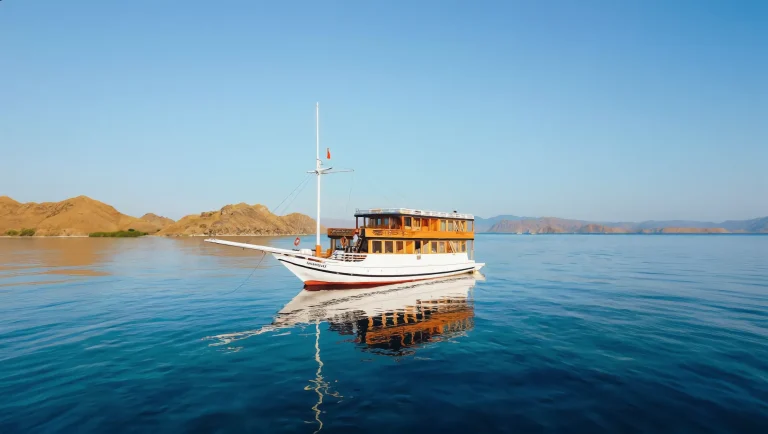
Buyer Guides
How to Build a Phinisi in Indonesia: The Ultimate 2027 Buyer’s Guide
Phinisi construction in Indonesia represents a distinct luxury and tourism segment within the marine vessel market, with build prices typically…
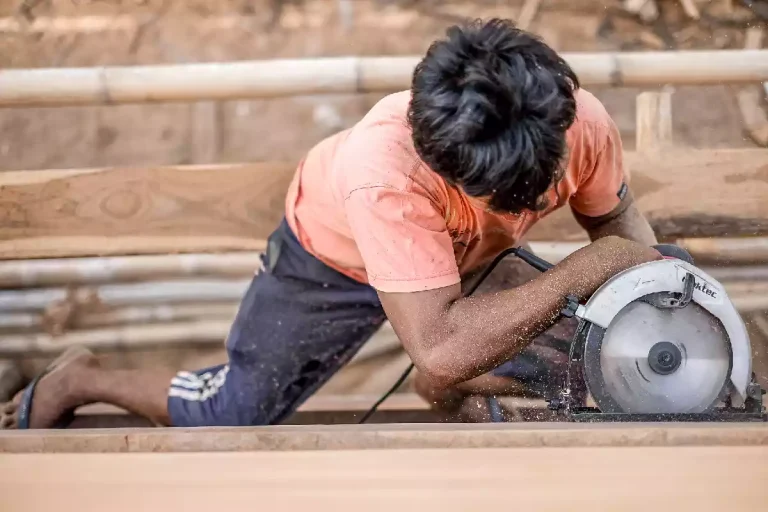
Buyer Guides
How to Choose the Right Phinisi Builder in Indonesia: A 2027 Step-by-Step Guide
Choosing the right phinisi builder in Indonesia demands careful consideration of a specialised market. This guide outlines a step-by-step process…
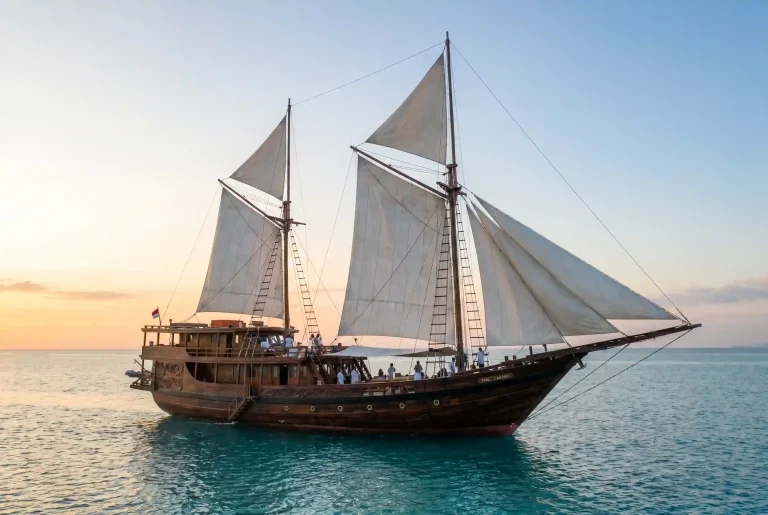
Buyer Guides
How to Order a Phinisi Yacht in Indonesia: A 2027 Step-by-Step Commissioning Guide
Commissioning a phinisi yacht in Indonesia involves a structured process, from initial design to final delivery. This guide details the…
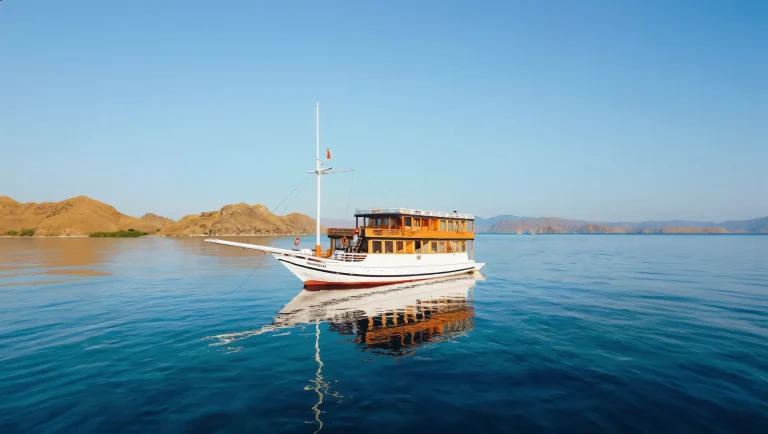
Buyer Guides
Market Trends: Why Charter Demand is Boosting Phinisi Builds in Indonesia
Phinisi shipbuilding in Indonesia is a specialised luxury segment experiencing growth due to increasing demand for charter services. Build prices…
Buyer Guides
Phinisi Boat Building Services in Indonesia: Choosing Your 2027 Project Partner
Indonesia’s phinisi-building sector is a specialised luxury and tourism segment experiencing rapid growth. Build prices typically range from US$0.4 to…

Buyer Guides
Phinisi Builder Indonesia Certification: How to Verify Excellence in 2027
Phinisi Builder Indonesia provides clarity on verifying excellence in phinisi construction for 2027. This guide addresses the lack of official…

Buyer Guides
Phinisi Custom Yacht Build Indonesia: Essential Considerations for 2027 Buyers
Phinisi custom yacht builds in Indonesia represent a growing luxury tourism segment, with typical build prices ranging from US$0.4–10 million.…
Buyer Guides
Phinisi Liveaboard Builder Indonesia: Trends and Tips for 2027 Custom Projects
Indonesia's phinisi-building sector is a growing luxury and tourism niche within the marine vessel market, with build prices typically ranging…