
Delivery, Trials & Export
How to Navigate Indonesia’s Closed Maritime Registry for Phinisi Charters in 2027

Understanding Indonesia’s closed maritime registry is crucial for phinisi charter operations in 2027. This guide outlines the market landscape, financial considerations, and regulatory environment for trade buyers and operators in this luxury segment.
1. Market Dynamics for Phinisi Charters in 2027
The phinisi-building sector, while a niche, is a fast-growing luxury and tourism segment within Indonesia’s broader marine vessel market. Build prices range from US$0.4–10 million per boat, with primary construction concentrated in South Sulawesi shipyards. Fit-out and operational hubs are established in Bali, Komodo, and Raja Ampat.
Indonesia Marine Vessel Market Growth
The overall Indonesia Marine Vessel Market is projected to grow at a Compound Annual Growth Rate (CAGR) of 5.8% from 2026–2032. By 2027, this market is forecast to achieve a growth rate of 9.63%. The Indonesian construction industry, which includes shipyards, is expected to expand at an average annual rate of 5.8% from 2026 to 2029, supported by infrastructure and energy projects.
Phinisi Niche Expansion
Within this expanding marine market, phinisis occupy a high-value, low-volume luxury and tourism niche. Industry observations indicate that more ultra-luxurious Sulawesi sailing vessels are being built than ever before. Individual shipyards report multiple phinisis under concurrent construction for the Southeast Asia charter market. The phinisi market has evolved from functional coastal use to global luxury demand, particularly for tourism and liveaboards in Komodo and Raja Ampat, and for overseas buyers in regions such as the Maldives and Mediterranean.
Given the marine vessel market growth of approximately 6–10% per year, rising luxury charter demand in Indonesia’s closed registry market, and multiple yards now building several units in parallel, a high-single-digit annual growth rate for phinisi order books in 2026–2027 is consistent with available evidence, though precise unit volumes are not published.
2. Financial Considerations: Build and Charter Prices
Phinisi Build Costs
New build prices for phinisis vary significantly based on size, materials, and luxury specifications. Common price points include:
- Small to Mid-size (20-30m): US$400,000–US$1,500,000. These are typically for simpler designs or smaller commercial operations.
- Mid to Large (30-45m): US$1,500,000–US$5,000,000. This range covers custom luxury builds for private use or high-end charter.
- Superyacht Class (45m+): US$5,000,000–US$10,000,000+. These are highly customised, multi-deck vessels with extensive amenities and advanced systems.
These figures exclude subsequent operational costs, which include crew, maintenance, berthing, insurance, and fuel.
Phinisi Charter Rates
Charter rates reflect the vessel’s size, luxury level, itinerary, and operational region. Daily rates for luxury phinisi charters typically fall within these ranges:
| Category | Daily Rate (approximate) | Weekly Rate (approximate) |
|---|---|---|
| Luxury Explorer (30-40m) | US$5,000–US$15,000 | US$35,000–US$105,000 |
| Ultra-Luxury (40m+) | US$15,000–US$30,000+ | US$105,000–US$210,000+ |
These rates generally include the vessel, crew, basic meals, and non-motorised water sports. Exclusions often comprise flights, transfers, alcohol, diving, and park fees.
3. Regulatory Environment: Indonesia’s Closed Maritime Registry
Indonesia operates a closed maritime registry, meaning that only vessels wholly owned by Indonesian citizens or Indonesian legal entities are permitted to be registered under the Indonesian flag. This regulation applies to all commercial vessels, including phinisi charter boats operating within Indonesian waters.
Foreign Ownership Restrictions
Foreign individuals or companies cannot directly own and register a commercial vessel under the Indonesian flag. To operate a phinisi charter business in Indonesia, foreign entities typically establish a local Indonesian company (PT PMA – Penanaman Modal Asing) with specific business classifications for tourism and marine activities. This PT PMA then owns the vessel.
2027 Note on PT PMA Structures
For 2027, foreign investors considering phinisi charter operations must ensure their PT PMA structure adheres to the latest Negative Investment List (Daftar Prioritas Investasi) regulations, which specify sectors open or closed to foreign investment and potential ownership percentage limits. Consulting with local legal counsel specialising in maritime and foreign investment law is essential to ensure compliance and avoid operational disruptions.
4. Operational Hubs and Logistics
While phinisis are built in South Sulawesi, the primary operational and fit-out hubs are strategically located to serve key tourism destinations.
- Bali: Functions as a major logistical and administrative hub, offering access to skilled labour for fit-outs, provisioning services, and international flight connections for charter guests.
- Komodo National Park: A prime destination for liveaboard charters, driving demand for phinisi operations. Proximity to Labuan Bajo provides essential support services.
- Raja Ampat: Another high-demand area for luxury charters, particularly during the dry season, requiring logistical support from nearby regional centres.
Efficient management of these hubs is critical for maintenance, crew changes, provisioning, and adherence to local regulations.
5. Navigating the Registry: Practical Steps for 2027
Establishing a Local Entity
The first step for foreign operators is to establish an Indonesian legal entity, typically a PT PMA. This company will be the legal owner of the phinisi.
Permits and Licenses
Operating a phinisi charter requires numerous permits beyond vessel registration, including:
- Tourism Operating License (Izin Usaha Pariwisata): Issued by the Ministry of Tourism.
- Marine Tourism Permit (Izin Usaha Angkutan Laut Khusus Pariwisata): From the Ministry of Transportation.
- Crew Certification: All crew members must hold valid Indonesian maritime certifications.
- Conservation Area Permits: For operations in national parks like Komodo and Raja Ampat, specific permits and fees are required.
Compliance and Local Partnerships
Adherence to Indonesian maritime law, labour laws, and environmental regulations is mandatory. Engaging experienced local legal and administrative partners is advisable to ensure ongoing compliance and smooth operations. These partners can assist with company formation, permit applications, and navigating the nuances of local bureaucracy.
6. Phinisi Builder Indonesia’s Role
Phinisi Builder Indonesia supports trade buyers and operators by providing high-quality phinisi new builds. Our expertise in traditional craftsmanship combined with modern marine engineering ensures vessels meet international standards while adhering to local design principles. We work with clients to specify vessels suitable for charter operations, considering regulatory requirements and operational demands.
Phinisi Construction Timelines and Quality Control
Phinisi construction is a meticulous, labour-intensive process, typically requiring 18 to 36 months from keel laying to sea trials. This duration is influenced by vessel size, complexity of interior fit-out, and the availability of specialised materials and skilled craftspeople. Our South Sulawesi shipyards follow traditional shipbuilding methods, integrating modern engineering and safety standards. Each phase undergoes rigorous quality control checks.
Key construction stages and approximate durations are:
- Design and Naval Architecture: 2–4 months (concurrent with initial build planning)
- Keel Laying and Framing: 6–10 months
- Hull Planking and Decking: 4–8 months
- Engine Installation and Mechanical Systems: 3–6 months
- Interior Fit-out and Finishing: 6–12 months
- Systems Integration, Commissioning, and Sea Trials: 2–4 months
Our project management ensures regular progress reports, photographic documentation, and opportunities for client inspections at critical junctures. We maintain stringent quality control protocols, particularly for timber selection, joinery, and marine-grade systems, to meet international standards for luxury vessels.
Interior Fit-Out and Customisation for Trade Buyers
Phinisi Builder Indonesia offers comprehensive interior fit-out services, catering to the specific requirements of importers, wholesalers, retailers, and interior contractors. Our expertise extends beyond structural shipbuilding to crafting bespoke interiors that align with diverse design briefs, from minimalist contemporary to traditional Indonesian luxury. Fit-out and operations hubs in Bali, Komodo, and Raja Ampat facilitate efficient logistics and access to a wide range of suppliers for furnishings and finishes.
We collaborate directly with trade buyers to specify materials, fixtures, and fittings. Our standard offerings include a selection of locally sourced hardwoods, marine-grade fabrics, and integrated navigation/entertainment systems. Customisation options are extensive:
| Category | Examples of Customisation |
|---|---|
| Materials | Teak, ironwood, sonokeling; marble, granite, composite surfaces |
| Furnishings | Custom-built cabinetry, seating, beds; loose furniture sourcing |
| Textiles | Upholstery, soft furnishings, linens; local artisan fabrics (e.g., ikat) |
| Hardware | Marine-grade fixtures, bespoke ironmongery, lighting solutions |
| Systems | Advanced AV, communication, climate control, galley equipment |
Our team manages the entire fit-out process, from design conceptualisation and material procurement to installation and final handover, ensuring adherence to client specifications and project timelines.
For further details on phinisi construction or to discuss your specific requirements, request a wholesale quote on WhatsApp.
Continue reading: The 2027 Timeline Guide: From Keel Laying to Ocean Trials for Indonesian Phinisis · The 2027 Trends Shaping Indonesia’s Phinisi Boat Building Industry · Product Sourcing Materials
Keep reading
More from the yard.
Uncategorized
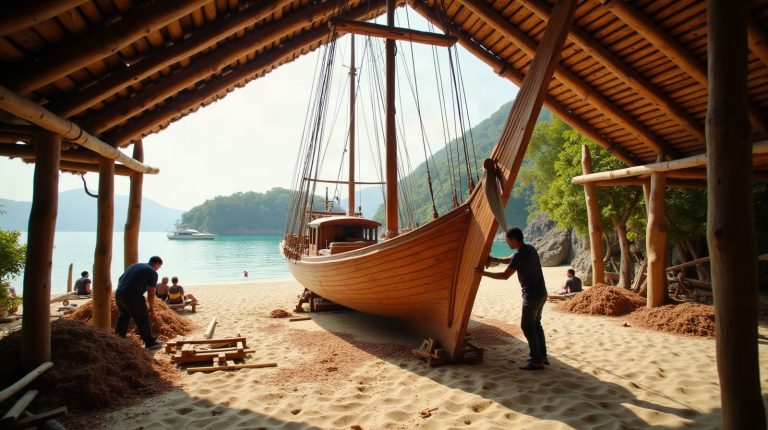
Commissioning a Phinisi in 2026: What Komodo Charters Teach
Future owners commissioning a phinisi ask three questions more than any others: which cabin mix actually earns, what power and…
Planning & Supervision
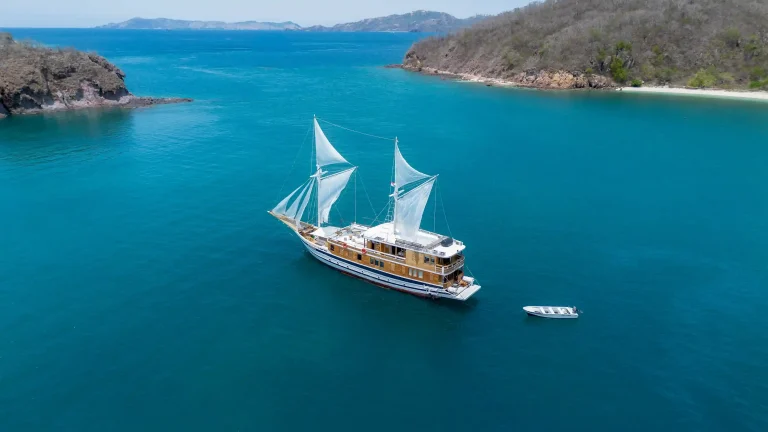
Charter-Spec vs Private-Spec Phinisi: Build Choices That Diverge
A charter-spec phinisi is engineered around revenue: maximum guest cabins with identical quality, robust crew areas, redundant systems that protect…
Planning & Supervision
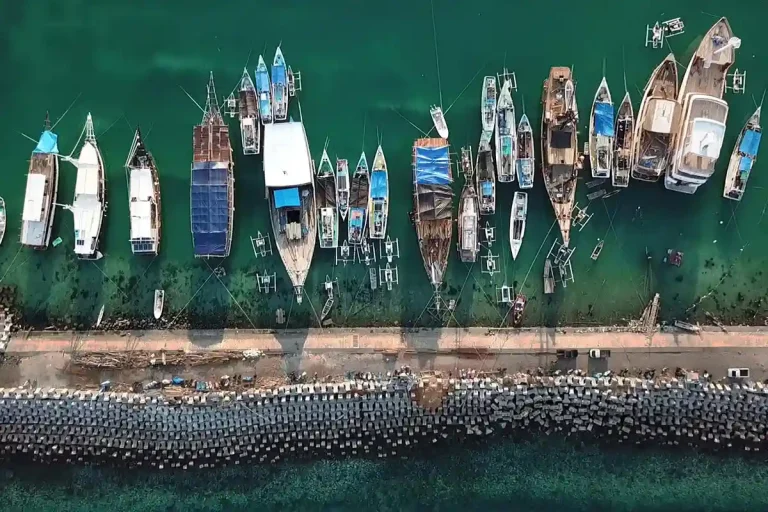
Yard Capacity in 2027: Booking Your Phinisi Build Slot Early
Serious phinisi yards enter 2027 with slipways committed twelve to eighteen months ahead: charter-fleet renewal, post-quake rebuilding demand and a…
Planning & Supervision
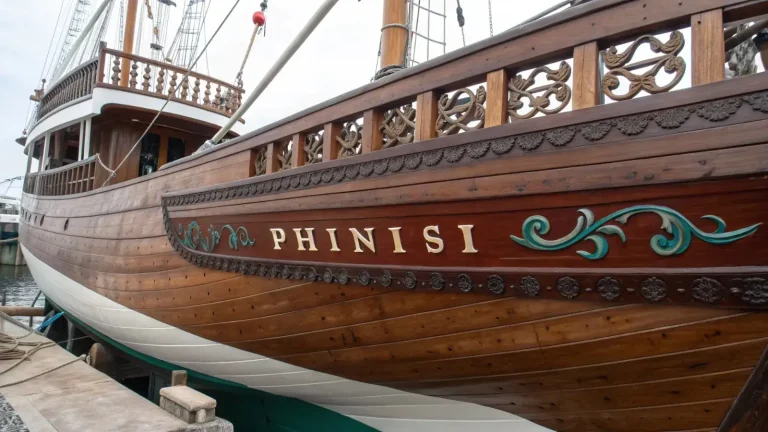
The Owner Visit Schedule: When to Fly In During a Build
Five owner visits carry most of a build's value: contract signing and yard walk, keel-laying with the timber on site,…
Construction & Engineering
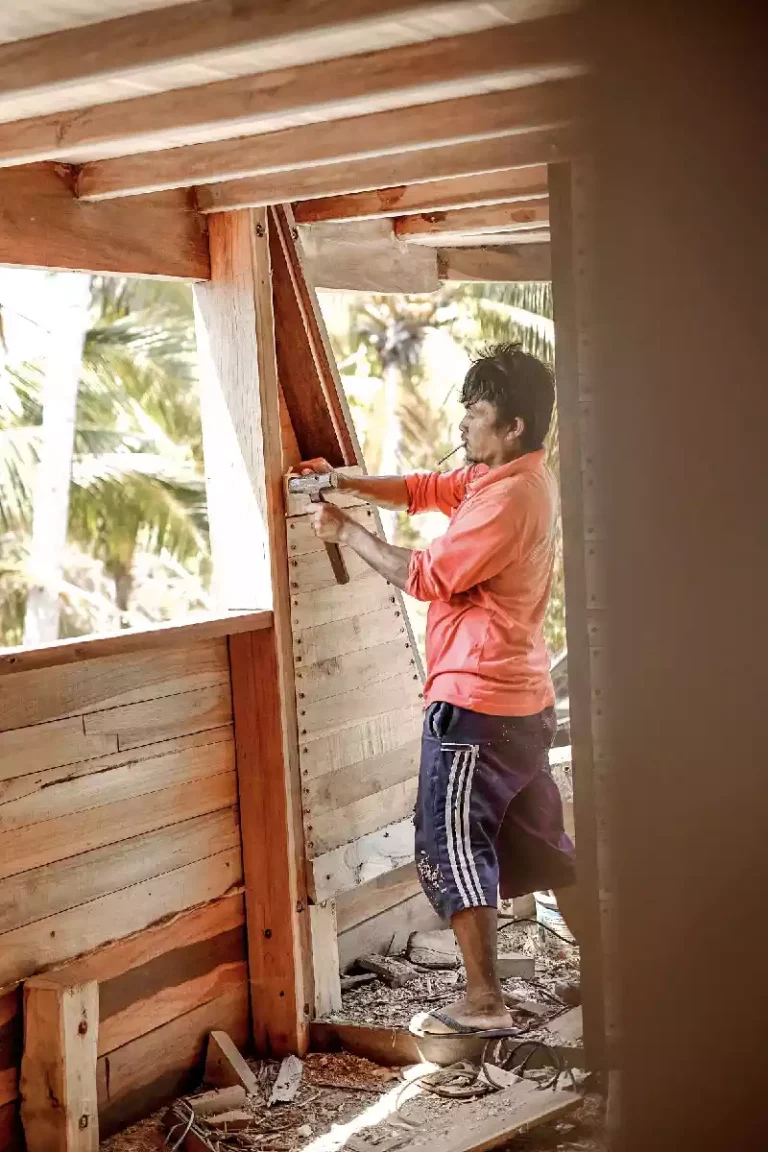
Interior Fit-Out Sequencing on a Phinisi Build
Phinisi fit-out follows one law: nothing closes until what lives behind it is installed, tested and photographed. The working sequence…
Construction & Engineering
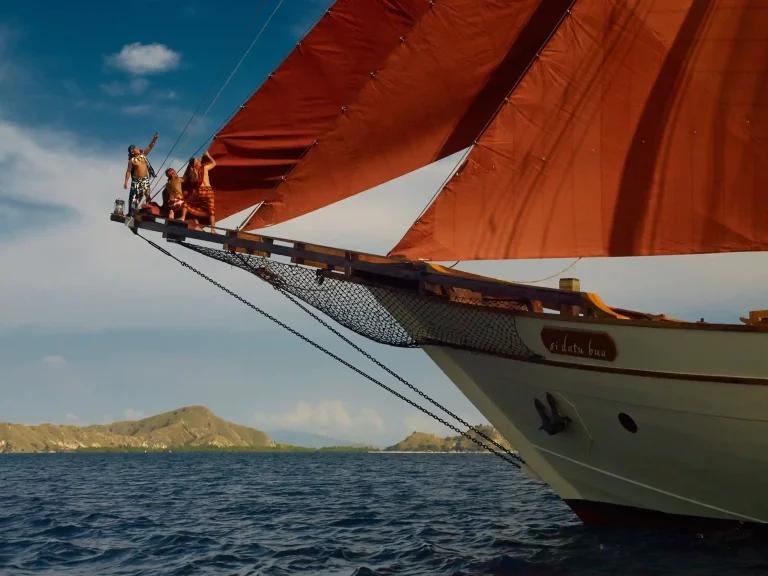
Phinisi Deck Hardware: Sourcing Winches and Fittings That Last
Phinisi deck hardware splits into load-bearing items — winches, windlass, cleats, chainplates, blocks — which must be load-rated and documented,…
Planning & Supervision
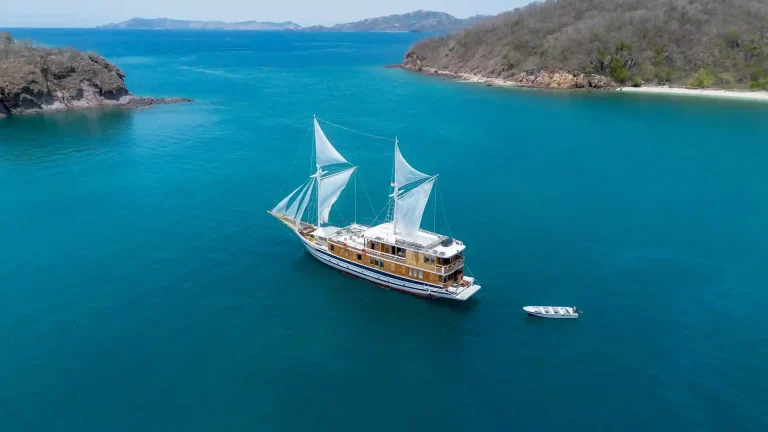
Supervising From Afar: Monthly Build Reports That Tell the Truth
A truthful monthly build report has five parts: progress against the contractual milestone table, photographs from fixed repeat vantage points,…
Planning & Supervision
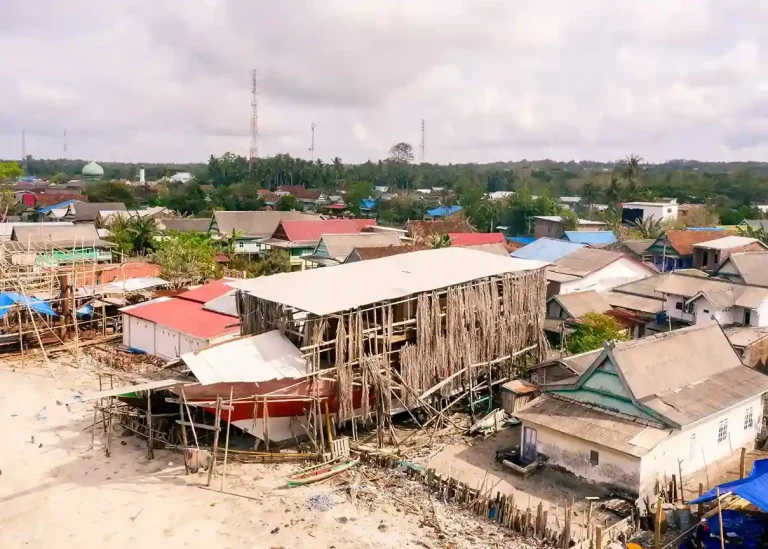
Sulawesi vs Kalimantan Yards: Logistics Behind the Comparison
The Sulawesi–Kalimantan choice is a logistics decision wearing a heritage costume: Sulawesi yards sit at the heart of the Konjo…